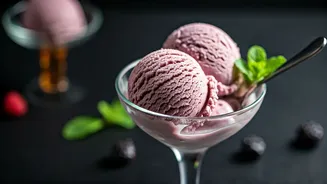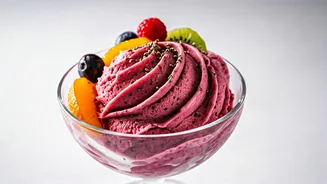






The Rise of Guilt-Free Indulgence
The idea of a “healthy” dessert isn’t new, but the boom in protein ice cream feels different. Driven by a growing fitness culture and greater nutritional awareness, consumers in India are actively looking for treats that align with their wellness goals.
This isn’t just about cutting calories anymore; it’s about making every calorie count. Protein, essential for muscle repair and satiety, is a macronutrient many people are keen to increase in their diet. Brands have responded, launching a wave of frozen desserts that promise high protein, low sugar, and all the satisfaction of a traditional scoop, creating a market for what many hope is a guilt-free indulgence.
What Exactly Is in a Scoop?
Traditional ice cream is a simple blend of milk, cream, sugar, and flavourings. Protein ice cream reformulates this by reducing fat and sugar and, of course, adding protein. The protein boost typically comes from milk protein concentrates or whey protein, though plant-based options using soy or pea protein are also available. To keep calories and sugar low, manufacturers often use sugar substitutes like stevia, erythritol, or monk fruit. They also add stabilisers and gums to replicate the creamy texture that is lost when fat and sugar are removed, which is why the ingredient list on a pint of protein ice cream is often much longer than its traditional counterpart.
The Nutritional Reality: Is It Better for You?
Nutritionally, the difference is significant. A serving of regular ice cream might have 250-300 calories and about 3-5 grams of protein. A comparable serving of a quality protein ice cream can contain as little as 150 calories while packing 10 to 20 grams of protein. This swap can be a smart choice if you're looking to satisfy a sweet craving without derailing your diet. However, nutritionists caution against viewing it as a health food. Many varieties contain sugar alcohols, which can cause digestive issues like gas and bloating in some people. It's still a processed dessert and shouldn't replace whole food sources of protein like lean meats, eggs, or legumes.
How to Choose a Smarter Pint
If you decide to jump on the trend, a little label-reading goes a long way. First, check the protein content. Look for options that offer at least 10 grams of protein per serving to make it a worthwhile choice. Next, scan the sugar content. Even with protein, high levels of added sugar undermine the health benefits. Also, be mindful of the ingredient list. While some additives are necessary for texture, a shorter, more recognizable list is generally a better sign. Finally, consider the serving size. Just because the whole pint has a certain number of calories doesn't mean it's intended to be a single serving.
Brands to Watch in India
The Indian market has seen a surge in brands catering to this demand. Homegrown startups like Get-A-Whey, which focuses on whey protein, and NOTO, which offers low-calorie and vegan options, are gaining popularity, especially on quick commerce platforms. Go Zero is another player offering zero-sugar and low-calorie tubs and bars. An older brand, Aroma Ice Cream, has even launched LEAN, which it markets as India's highest protein ice cream. These local brands are competing with international giants like Halo Top, which has also made its way into the Indian market, offering pints with a high protein count and significantly less sugar than traditional ice cream.
The DIY-Friendly Alternative
For those who prefer to control their ingredients completely, making protein ice cream at home is surprisingly simple. A popular method involves blending frozen bananas with a scoop of your favourite protein powder and a splash of milk until creamy. This 'nice cream' base can be customised with cocoa powder for a chocolate flavour or almond butter for extra richness. Other recipes use Greek yogurt or cottage cheese as a base, blended with protein powder and flavourings before freezing. This approach not only lets you dictate the protein and sugar levels but also avoids the gums and stabilisers found in many commercial versions.