







The Gamble of the 'Self-Transfer'
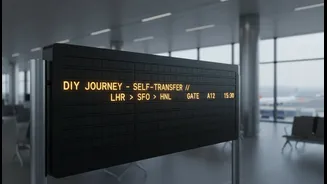
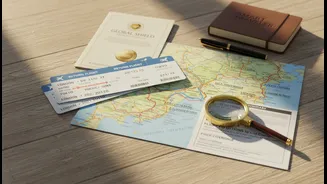
In the world of budget travel, you've likely come across this scenario: booking a flight on one airline and then a separate, onward flight on another to save money. This is known as a “self-transfer” or a “self-connecting” flight. Instead of a single
booking that covers your entire journey, you hold two distinct tickets. The appeal is obvious, offering flexibility and often significant cost savings by mixing and matching carriers. However, this DIY approach comes with a critical catch: you are entirely responsible for making the connection. This includes collecting and re-checking your baggage, clearing security again, and, if travelling internationally, passing through immigration.
The Fine Print: Two Tickets, Two Separate Contracts
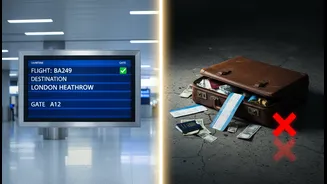
The single most important thing to understand about self-transfers is that the airlines involved have no contractual obligation to each other or to you for the connection. If your first flight is delayed or cancelled, causing you to miss your second flight, the second airline views you simply as a no-show. They are not required to rebook you on their next flight for free. You have entered into two separate agreements, and the failure of one does not legally impact the other. Unlike a single-ticket journey where the airline is responsible for getting you to your final destination, on a self-transfer, that responsibility falls squarely on your shoulders.
Your Action Plan at the Airport
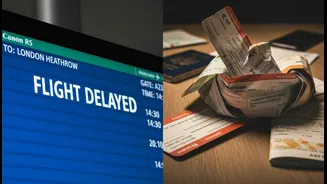
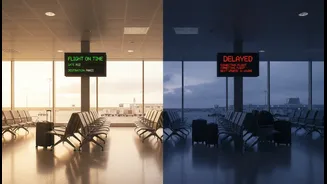
The moment you realize your first flight is delayed, the clock starts ticking. First, talk to the gate agent of your delayed flight. While they have no obligation for your next, separately booked flight, they might offer helpful information or rebooking options on their own network that could potentially help. Next, immediately contact the airline of your second flight. Explain the situation calmly. While their policy may be strict, some carriers might offer a 'flat tyre' rule or show some flexibility if you alert them early, though this is rare and not guaranteed. Be prepared to buy a new, last-minute ticket for your onward journey, which will likely be expensive. This is the 'expensive decision' the headline warns about. Keep all receipts and documentation from the airline about the delay, as this will be crucial if you have travel insurance.
The Financial Domino Effect
Missing a self-transfer connection isn't just about the cost of a new flight. The financial consequences can cascade quickly. You might need to book a hotel for an unexpected overnight stay. There will be costs for food, and potentially for transportation between the airport and a hotel. If your missed connection was at the beginning of your trip, the entire value of your pre-booked accommodation and activities at your destination could be lost. What started as a clever way to save a few thousand rupees can rapidly turn into a financial nightmare costing many times more than the initial savings.
How to Protect Yourself Before You Book
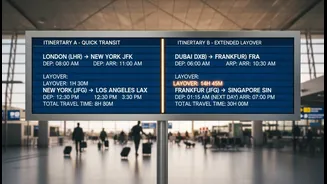
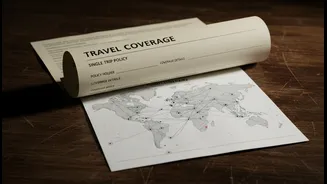
Prevention is the most effective strategy. If you must book separate tickets, leave an extremely generous layover time—think four hours or more for domestic connections, and even longer for international ones where you need to clear customs. Whenever possible, travel with only carry-on luggage to avoid the time-consuming process of reclaiming and re-checking bags. The most crucial protection, however, is travel insurance. When purchasing a policy, specifically check that it covers missed connections on separately booked tickets. Not all policies do, so reading the fine print is essential. Sometimes, paying a little extra for a single-ticket journey is the best insurance of all.