




The New 'Green' Essential
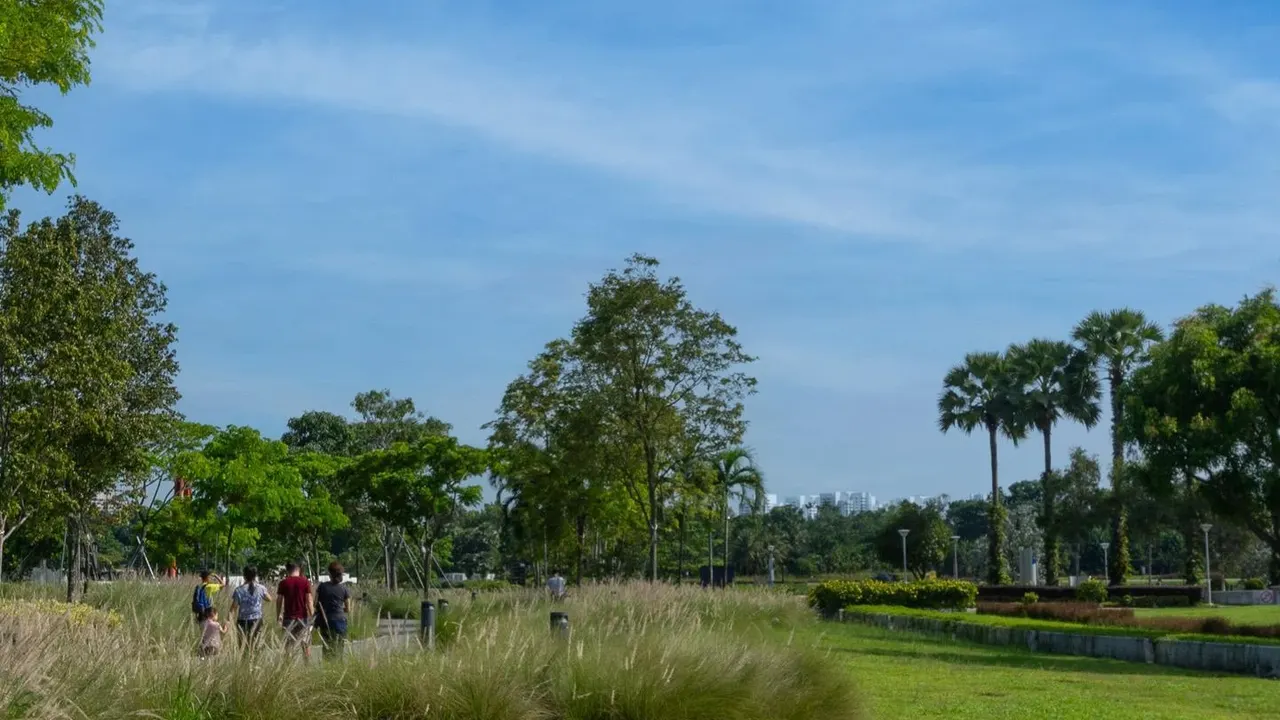
The search for a rental home in a bustling Indian metropolis once involved a checklist dominated by proximity to offices, schools, and transport links. Today, a new priority has climbed to the top of that list: proximity to a public park. What was once a 'nice-to-have'
feature has become a non-negotiable for a growing number of young urban families. This trend, accelerated by the experiences of pandemic-era lockdowns, reflects a deeper desire for a better quality of life. Confined to apartments, often without balconies or private outdoor areas, families became acutely aware of the need for open, green spaces for both physical and mental well-being. This has fundamentally altered the rental market, with tenants now actively seeking homes that offer an escape from the concrete jungle.
A Premium on Play and Peace
This shift in preference is not just a social trend; it has tangible economic consequences. Real estate analysts and platforms note that properties located near well-maintained parks and green spaces often command a higher rental value. Some reports suggest that renters are willing to pay a premium of 10% or more for a home that guarantees easy access to nature. Landlords and property developers are taking notice. The term 'green premium' is gaining currency, acknowledging that access to a park is a powerful amenity that can attract and retain tenants. This demand is particularly strong among millennial parents, who are increasingly conscious of the benefits that outdoor play and a connection to nature have on their children's development. As a result, listings that highlight 'walking distance to park' are performing better in a competitive rental market.
More Than Just Swings and Slides
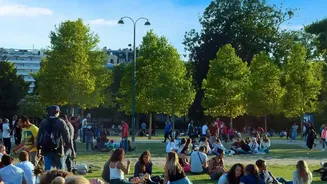
The demand for parks goes far beyond a simple need for a children's play area. For young families, these public spaces serve multiple crucial functions. They are a place for parents to de-stress, engage in physical activity, and find a few moments of peace in an otherwise chaotic urban environment. Parks also act as vital community hubs, where neighbours meet, friendships are formed among children and adults alike, and a sense of local community is built. For the many Indian families living in multi-generational households, a nearby park offers a safe and pleasant environment for elderly members to walk and socialise. This holistic view of wellness—encompassing physical health, mental peace, and social connection—is at the heart of why parks have become so essential.
A Response to Urban Reality
This trend is also a direct reaction to the challenging realities of life in India's major cities. With rapid urbanisation, increasing population density, and rising pollution levels, private space is at a premium and often unaffordable. For many families, a spacious home with a private garden is simply not a viable option. Public parks, therefore, function as borrowed backyards—essential extensions of their living space. They offer a free, accessible antidote to the noise, congestion, and screen-time dependency that define modern city life for many children. By prioritising rentals near parks, families are making a conscious choice to mitigate the pressures of urban density and secure a healthier environment for their children to grow up in.
Shaping the Cities of Tomorrow
The collective voice of these renters is sending a clear message to the market and to urban planners. As the demand for housing near green spaces continues to grow, it is likely to influence future development projects. Developers who incorporate or are situated near parks will have a distinct advantage. More importantly, it puts pressure on municipal corporations to not only maintain existing parks but also to create new ones. The challenge remains to ensure that these spaces are accessible and equitably distributed across all neighbourhoods, not just affluent ones. This trend highlights a population that is no longer willing to accept green spaces as a luxury, but rather demands them as a fundamental component of urban living.