





The Triple Threat: Landslides, Floods, and Potholes
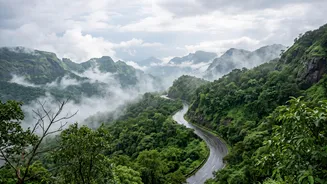
Monsoon travel isn't just about dealing with rain; it's about navigating a landscape where the infrastructure is under constant assault. Heavy rains saturate the soil, leading to landslides, especially in hilly and ghat regions, which can block roads
for hours or even days. In plains and urban areas, the primary menace is waterlogging. A road that was clear in the morning can become an impassable canal by afternoon, hiding deep potholes and open manholes. These submerged hazards can cause severe damage to your vehicle, from tyre and suspension issues to a seized engine, leading to costly repairs and leaving you stranded. The constant presence of water erodes road surfaces, making even familiar routes treacherous.
The Unpredictable Nature of Monsoon Hazards
One of the biggest challenges of monsoon travel is how quickly conditions can change. A minor stream can swell into a raging torrent, washing away small bridges or low-lying road sections. A hillside that appears stable can suddenly give way after hours of sustained rainfall. This unpredictability is why last-minute trips, especially to remote or hilly areas during heavy rain alerts, are highly discouraged. What looks like a simple puddle could be a deep, waterlogged patch capable of stalling your vehicle. Relying on your memory of a route from the dry season is a common mistake, as the entire dynamic of the terrain can be altered by the relentless downpour.
Your Digital Toolkit for Route Verification
Fortunately, technology has made it easier than ever to get a clearer picture of your intended route. Before starting your journey, always check multiple sources. Start with official government channels like the India Meteorological Department's (IMD) 'Mausam' app for weather warnings and the National Disaster Management Authority's (NDMA) advisories. For road-specific information, navigation apps like Google Maps, Waze, and the homegrown Mappls are invaluable. These apps provide real-time traffic updates, often incorporating user reports and official alerts about road closures, accidents, and waterlogging. Mappls, in particular, has been noted for features like alerts for accident-prone zones and 3D junction views, which can be especially helpful in unfamiliar territory.
Beyond the Apps: The Human Element
While digital tools are powerful, they should not be your only source of information. Local knowledge is irreplaceable. Many state and district police departments maintain active social media accounts, especially on platforms like X (formerly Twitter), where they post real-time updates on road blockages and diversions. Before you travel, make it a habit to call your hotel or a local contact at your destination. They can provide the most current, on-the-ground assessment of the conditions you're likely to face. Sometimes, local authorities may even restrict tourist entry into high-risk areas for safety. Always heed these local warnings; they are issued to protect lives.
Essential Pre-Trip Vehicle Checks
A safe journey begins before you even turn the key. Your vehicle must be prepared for the demanding conditions. The most critical check is your tyres. Ensure they have adequate tread depth (at least 3mm is often recommended) to maintain grip on slippery roads and avoid hydroplaning, where a layer of water builds up between the tyres and the road surface, causing a loss of control. Check that your brakes are responsive, as wet conditions reduce braking efficiency. Functional windshield wipers are non-negotiable for maintaining visibility, and you should ensure all your lights—headlights, taillights, and indicators—are working perfectly so that you can see and be seen.