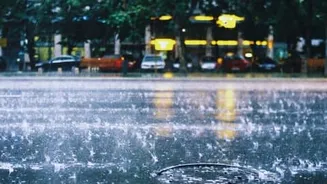









What the Weather Department Says
The India Meteorological Department (IMD) has confirmed that active monsoon conditions are leading to intense rainfall across several coastal states. Alerts, ranging from yellow to orange, have been issued for parts of the western coast, including Maharashtra
and Goa, as well as areas along the eastern coastline. These alerts signify expectations of heavy (64.5 mm to 115.5 mm) to very heavy (115.6 mm to 204.4 mm) rainfall within a 24-hour period. The downpour is attributed to strong westerly winds and the presence of offshore troughs, which are common weather systems during the monsoon season. Residents in these areas are advised to expect intermittent but intense spells of rain throughout the day, which will likely continue for the next 48 hours before gradually reducing in intensity.
Navigating Your Commute Safely
For anyone who needs to be on the move, today will be a challenge. Waterlogging is the primary concern, turning major roads and low-lying areas into chokepoints. Before you leave, check real-time traffic updates on mapping services like Google Maps. Budget at least 30-45 minutes of extra travel time. If you're driving, avoid flooded streets and underpasses at all costs; it's impossible to gauge water depth or see hidden dangers like open manholes. Maintain a safe distance from the vehicle ahead, as braking distances increase significantly on wet roads. For those using two-wheelers, extreme caution is advised. If possible, consider using public transport like the metro, which is often less affected by waterlogging than road transport. Postponing non-essential travel is the safest bet.
Securing Your Home and Family
While you're watching the rain from your window, a few simple checks can prevent major headaches. Ensure your windows and doors are securely latched to prevent water from seeping in. If you have a balcony or an outdoor area, move potted plants and any loose items indoors to prevent them from being blown away by strong gusts of wind that often accompany heavy rain. It's also a good time to check your emergency kit. Make sure your torches have working batteries and that your power banks are fully charged, as power cuts are common during such weather events. It’s wise to store some drinking water and non-perishable snacks in case you are unable to step out. Finally, keep children and pets away from flooded areas and balconies.
Don't Forget Health and Hygiene
The aftermath of heavy rain brings its own set of health risks. Stagnant water becomes a breeding ground for mosquitoes, increasing the risk of dengue and malaria. Take steps to ensure there is no standing water in or around your home—empty flowerpot saucers, buckets, and old tyres. Contaminated water is another significant threat. To avoid water-borne diseases like cholera and typhoid, stick to boiled or filtered water for drinking. It is also advisable to avoid street food, especially items that may have been exposed to rainwater or prepared in unhygienic conditions. Washing your hands frequently with soap and water is a simple yet effective way to keep germs at bay.
Follow Official Sources, Not Rumours
In times of disruption, misinformation can spread as quickly as the rain itself. Rely on official channels for accurate updates. The IMD's website (mausam.imd.gov.in) and its official social media handles provide the most reliable weather forecasts and warnings. Additionally, follow the social media accounts of your local municipal corporation and traffic police for specific updates on waterlogging, traffic diversions, and public transport status. Do not forward unverified messages on WhatsApp or other platforms. Stick to trusted sources to stay informed and help prevent unnecessary panic within your community.