


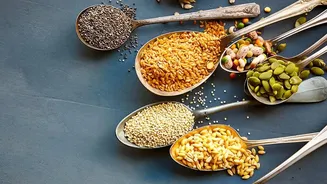

Starting the day with a balanced meal is crucial for managing diabetes. A breakfast that prevents blood sugar spikes sets the tone for the day. Seeds are a simple, powerful way to boost your morning meal with fibre, healthy fats, and key minerals.
Chia Seeds: The Fibre Powerhouse
These
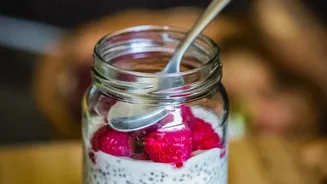
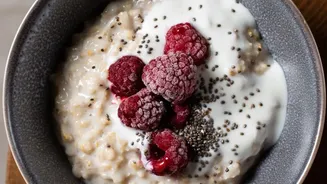
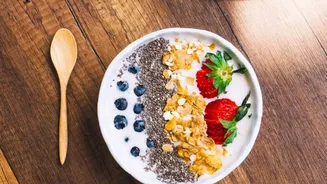
tiny black seeds are exceptionally high in soluble fibre, which is a major benefit for blood sugar control. When mixed with liquid, they form a gel that slows down digestion. This process prevents the rapid absorption of sugar into the bloodstream, helping to avoid sharp glucose spikes after your meal. Chia seeds are also a good source of magnesium, a mineral vital for glucose metabolism and insulin function. Many people with diabetes have lower magnesium levels, making chia seeds a valuable dietary addition. For breakfast, try soaking two tablespoons in milk or yoghurt overnight for a simple pudding, or just sprinkle them over oatmeal.
Flax Seeds: Omega-3 and Lignan Champions
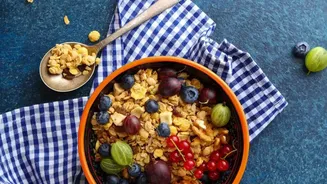
Flax seeds, also known as 'alsi', deliver a powerful combination of fibre, omega-3 fatty acids, and compounds called lignans. Their high fibre content gives them a low glycemic index, meaning they help promote steady blood sugar control. The specific type of omega-3, alpha-linolenic acid (ALA), has been shown to reduce inflammation and may improve insulin sensitivity. Studies suggest that daily consumption of flaxseed can help lower fasting blood glucose levels. To get the most benefit, it's best to consume them ground, as the whole seeds can be hard to digest. Stir a spoonful of ground flaxseed into your morning smoothie, paratha dough, or bowl of cereal.
Pumpkin Seeds: Rich in Magnesium and Zinc
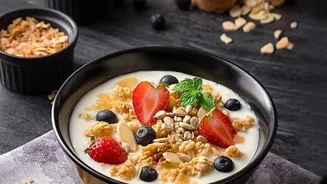
Often overlooked, pumpkin seeds are a nutritional giant, especially for those managing diabetes. They have a very low glycemic index and are one of the best natural sources of magnesium. Magnesium plays a critical role in over 600 bodily reactions, including regulating blood sugar levels and improving insulin sensitivity. Research indicates that adequate magnesium intake is linked to a lower risk of developing type 2 diabetes. These seeds are also rich in zinc, another mineral that supports insulin function. A handful of roasted, unsalted pumpkin seeds makes a great crunchy topping for avocado toast or a bowl of yoghurt.
Sunflower Seeds: Vitamin E and Healthy Fats
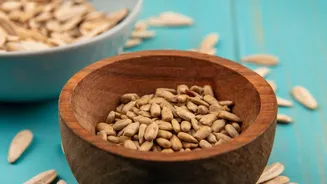
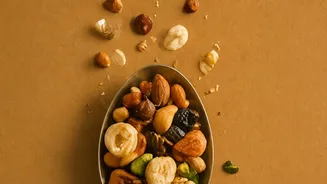
Sunflower seeds offer a wealth of nutrients that support diabetes management, including vitamin E, selenium, and healthy fats. Their blend of protein, fibre, and fat helps slow stomach emptying, which allows for a more gradual release of sugar from carbohydrates and helps prevent glucose spikes. The high magnesium content also aids in blood pressure control and insulin response. Some studies have shown that daily consumption of sunflower seeds as part of a healthy diet may help reduce fasting blood sugar over time. Add a sprinkle of unsalted sunflower seeds to salads, or mix them into a homemade trail mix for a satisfying and nutritious breakfast side.
Hemp Seeds: Complete Protein and Balanced Fats
Hemp seeds are unique because they provide a complete protein, meaning they contain all nine essential amino acids. This protein, along with healthy fats, helps slow the absorption of sugar and maintain stable energy levels. They contain a beneficial ratio of omega-6 to omega-3 fatty acids, which can help reduce the chronic inflammation often associated with insulin resistance. While more research is needed, some studies suggest that compounds in hemp seeds can improve insulin sensitivity and support overall metabolic health. Their mild, nutty flavour works well blended into smoothies or sprinkled generously over a bowl of fruit and cottage cheese.