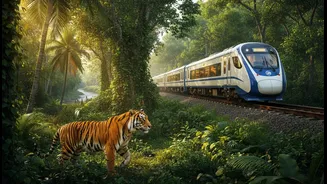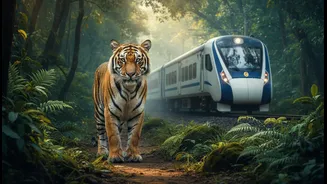



The New Arteries of Eco-Tourism
Initially launched to connect major metropolitan and pilgrimage centres, the Vande Bharat Express is a symbol of modernising Indian Railways. These air-conditioned, chair-car trains offer faster, safer, and more comfortable journeys, significantly cutting
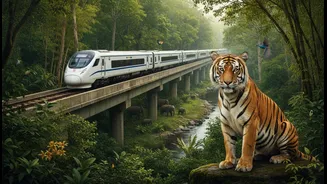
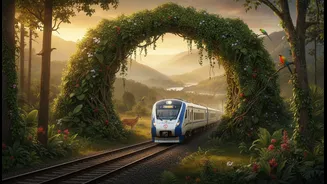
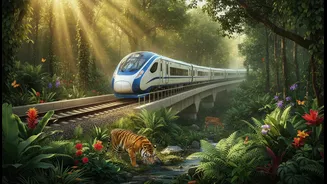
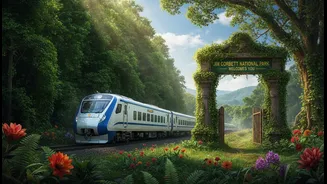
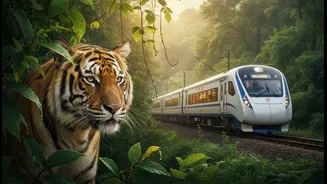
travel time compared to older services. What started as a push for better business and religious tourism is now having an unintended, yet welcome, side effect: it is placing some of India's most celebrated national parks and tiger reserves within easy reach of city dwellers, revolutionising the concept of a weekend safari. This expansion is fostering a new culture of accessible eco-tourism, allowing nature lovers to trade long, arduous road trips for a relaxed and scenic train journey.
From Urban Hubs to Jungle Gates
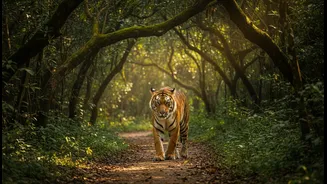
Several key routes now act as direct corridors to the wild. The Delhi-Khajuraho Vande Bharat, for instance, brings travellers to the doorstep of the UNESCO World Heritage temples and is just a 45-minute drive from the Panna Tiger Reserve. Similarly, the service to Veraval in Gujarat makes the majestic Gir National Park, the only home of the Asiatic lion, just a 45 km road journey away. In the south, one can take a Vande Bharat to Mysuru and be at the entrance of the lush Bandipur National Park within two hours. For those looking to explore the tiger havens of Central India, the trains reaching Nagpur provide seamless access to Tadoba-Andhari Tiger Reserve. These trains don't go into the parks, but they connect to the nearest railway stations, turning a multi-day effort into a comfortable overnight or weekend trip.
More Than Just Speed
The appeal of these getaways goes beyond just reduced travel time. The Vande Bharat experience itself is a major draw. With large panoramic windows, onboard catering, and clean, modern interiors, the journey becomes part of the vacation. For families and solo travellers alike, it offers a stress-free alternative to self-driving on highways, eliminating fatigue and uncertainty. This is particularly true during monsoon season, when road travel can be hazardous. A train journey through the rain-washed Western Ghats or the green hills of the north offers spectacular, uninterrupted views in complete comfort. It represents a more sustainable travel choice, reducing the carbon footprint compared to a flight or individual car travel for the same distance.
Boosting Economies and Balancing Conservation
This growing trend has a significant economic upside. The influx of tourists via the Vande Bharat network provides a vital boost to local economies surrounding the wildlife reserves. Hotels, safari operators, local guides, restaurants, and handicraft vendors all benefit from the increased and more consistent footfall. The government has noted that improved connectivity is a key driver of tourism growth, which in turn generates employment. However, this boom also brings the responsibility of sustainable management. As these natural treasures become more accessible, there is a growing need for robust frameworks to manage tourist flow, prevent overcrowding, and ensure that the primary focus remains on conservation. The challenge lies in balancing the economic benefits with the ecological preservation of these sensitive habitats.