




A perfect storm of volatile cotton prices and shifting import duty policies is testing the Indian garment industry. For brands, navigating this new landscape isn't just about survival; it's about rewriting the playbook for sourcing and cost management.
The Duty Dilemma: A Temporary Reprieve
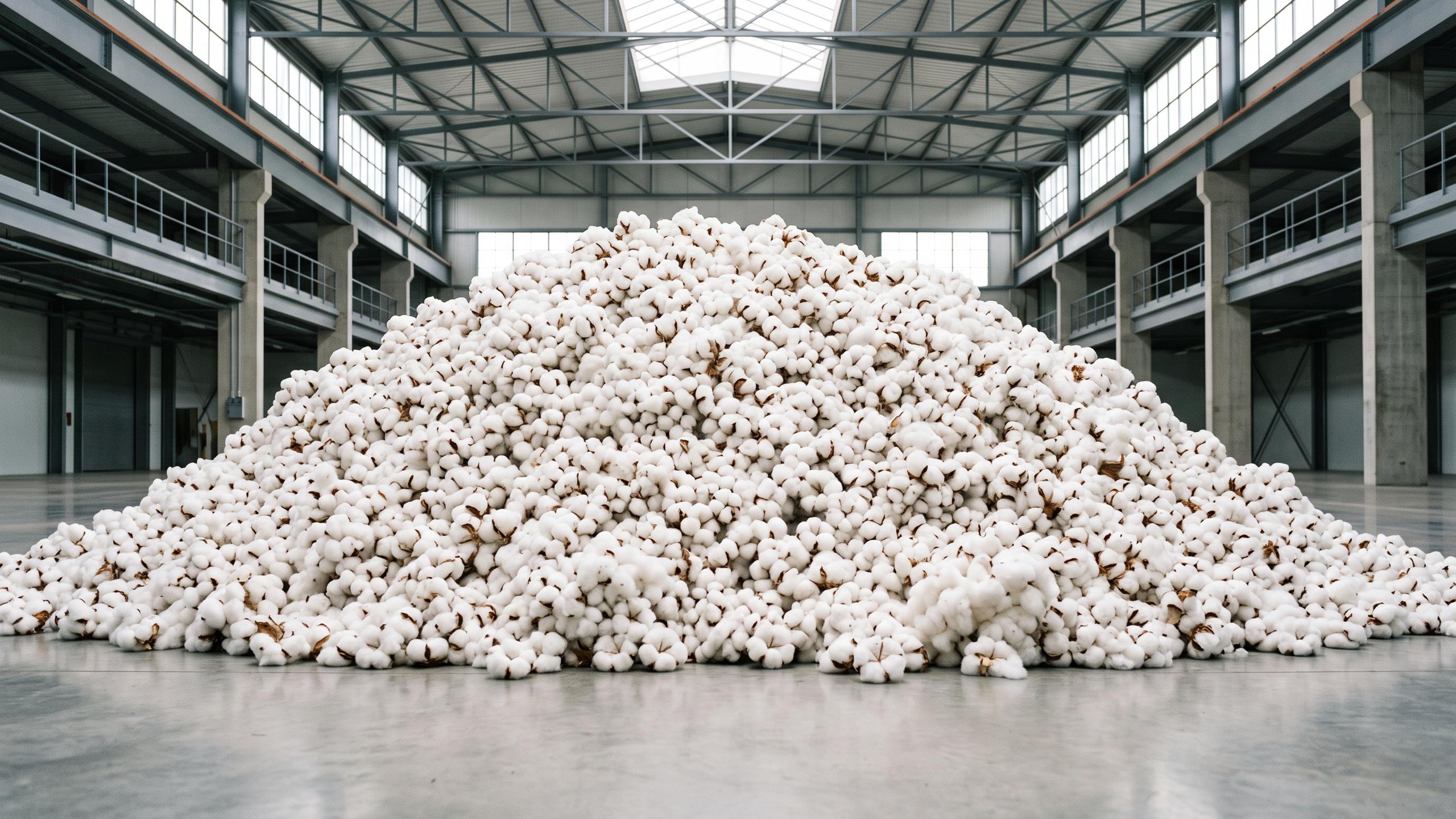
The core of the recent upheaval lies in the 11% import duty on cotton. To ease pressure on textile mills facing high domestic prices, the government waived this duty from June 1 to October 31, 2026. However, as this deadline approached, firm domestic prices and projections of lower-than-expected domestic cotton output for 2026-27 created significant uncertainty. The industry has been grappling with cotton yarn prices that surged by approximately 60% since the start of 2026. In response to industry calls, the government is now widely expected to extend the duty-free import window through December 2026, offering further, albeit temporary, relief to manufacturers.
Strategy 1: Rethinking Raw Material Procurement
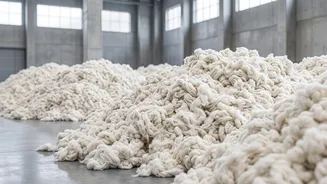
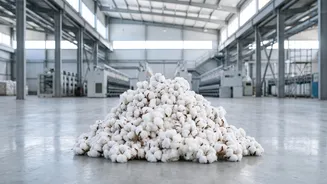
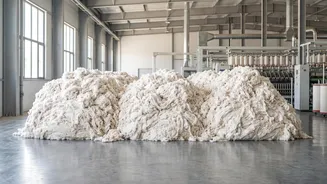
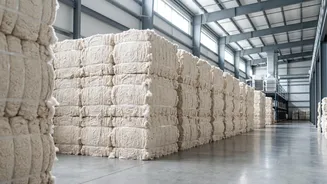
With domestic cotton prices remaining stubbornly high, brands and mills are forced to be more strategic about procurement. The duty-free window allows them to source premium and specialized cotton varieties from international markets like the US, Brazil, and Australia without the added tax burden. This is crucial for meeting the quality demands of high-value export orders. However, this isn't a simple fix. Higher global cotton prices, elevated freight costs, and a weaker rupee can offset some of the benefits of the duty waiver. As a result, many are adopting a hybrid approach: leveraging the duty exemption for specific high-quality cotton while still navigating the complexities of domestic supply through bodies like the Cotton Corporation of India (CCI).
Strategy 2: Diversifying Geographically and Materially
The reliance on a single market or material is proving to be a risky strategy. In response, some major players are actively diversifying their export destinations to de_risk from over_exposure to any single market, such as the US. Beyond geographical diversification, there's a renewed push towards exploring blended fabrics and man_made fibres. While cotton remains the primary raw material for the Indian textile industry, the persistent price volatility is making alternatives more attractive. This shift allows brands to create products at more stable price points, mitigating the direct impact of cotton price fluctuations on their bottom line and offering consumers different options.
Strategy 3: Focusing on Operational Efficiency
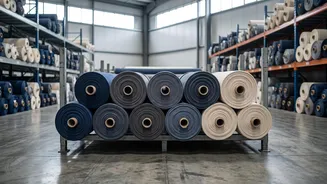
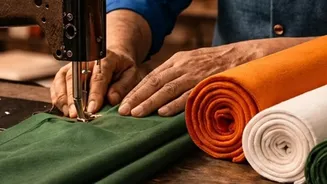
When the cost of raw materials goes up, the quickest way to protect margins is to reduce costs elsewhere. Garment manufacturers are increasingly investing in technology and process improvements to enhance efficiency. This includes everything from deploying advanced machinery to modernising traditional clusters and optimising supply chain logistics to reduce waste and turnaround times. The government is also supporting this push through initiatives like the PM Mega Integrated Textile Region and Apparel (PM MITRA) parks, which aim to create a more integrated and efficient value chain. By streamlining operations from fibre to garment, companies can absorb a portion of the increased input costs without passing them all on to the consumer.
Strategy 4 : Recalibrating Pricing and Value Communication
Ultimately, some cost increases are unavoidable. This has forced brands to re_evaluate their pricing structures. The challenge lies in passing on higher costs without deterring price_sensitive consumers, especially in competitive export markets. The key is value communication. Brands that can successfully articulate the quality of their materials—for instance, the use of premium, contamination_free imported cotton—can better justify a higher price point. For the domestic market, this might involve creating tiered product lines or transparently explaining the factors influencing price, a delicate balancing act between maintaining profitability and retaining customer loyalty.