


The Science of Aromatic Flavour
Ever wondered why a sizzle of spices in a pan can fill your entire kitchen with a mouth-watering scent? It's all down to chemistry. Whole spices like cumin seeds, coriander, and mustard seeds contain volatile aromatic compounds locked inside their cells.
When you simply add these to a water-based dish like a soup or curry, many of these flavours remain trapped. This is because most of these aromatic compounds are fat-soluble, not water-soluble. Heat acts as the key, breaking down the cell walls of the spice and releasing its essential oils. When you heat spices in fat—like oil or ghee—the fat acts as a carrier, extracting these compounds and distributing them evenly throughout your entire dish. This process, often called 'blooming' or 'tempering', is what creates a foundation of complex, layered flavour that raw spices alone cannot achieve.
Technique 1: Dry-Roasting
The simplest way to awaken your spices is by dry-roasting them. This technique is perfect for spices you intend to grind into a powder for a spice blend or a curry. Toasting in a dry pan over medium heat develops deeper, nuttier, and more roasted flavours. To do it, place your whole spices in a single layer in a heavy-bottomed pan. Don’t use any oil. Keep the heat at medium-low and shake the pan frequently to prevent burning. Within a couple of minutes, your nose will tell you when they’re ready—the spices will become intensely fragrant. Cumin will smell earthy and warm, while coriander will release citrusy notes. Once they're aromatic, remove them from the heat immediately to stop the cooking process. You can then let them cool and grind them in a spice grinder or with a mortar and pestle for maximum potency.
Technique 2: Tempering in Oil (Tadka)
Tempering, known as 'tadka' or 'chaunk' in Indian cooking, takes the science of flavour a step further by using hot fat as an extraction medium. This method is foundational for creating dals, curries, and vegetable dishes with an incredible depth of flavour. To temper spices, heat a small amount of oil or ghee in a pan. The key is to get the oil hot enough before adding the spices. A common test is to add a few mustard seeds; they should start to crackle and pop almost immediately. This signals the oil is at the optimal temperature to extract the essential oils without burning the spices. You can then add other spices like cumin seeds, dried chillies, or curry leaves, which will sizzle and release their aroma within seconds. This fragrant, infused oil is then poured over a finished dish like dal or used as the flavour base at the very beginning of the cooking process.
Your Essential Spice Toolkit
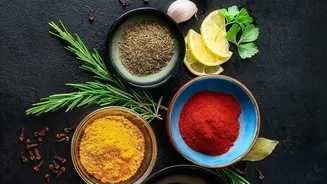
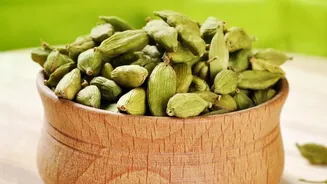
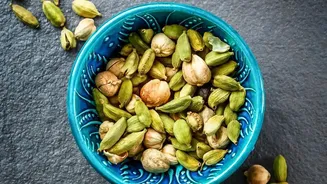
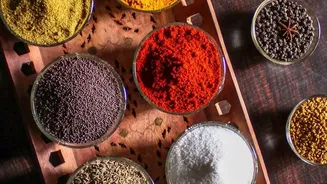
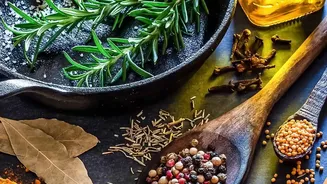
While you can apply these techniques to almost any whole spice, a few are particularly well-suited for transforming plant-based meals. Cumin seeds are a must-have, providing a warm, earthy foundation. Black or brown mustard seeds offer a pungent, nutty kick, especially when they pop in hot oil. Coriander seeds bring bright, citrusy notes that can lift heavy dishes. Fenugreek seeds, used sparingly, add a complex, slightly bitter, maple-like aroma that is fantastic with lentils and potatoes. Dried red chillies provide a clean heat and smoky depth. Other wonderful spices to experiment with include fennel seeds, cloves, and cardamom pods. Starting with these basics gives you a versatile palette for flavouring everything from simple roasted vegetables to elaborate curries.
Transforming Plant-Based Staples
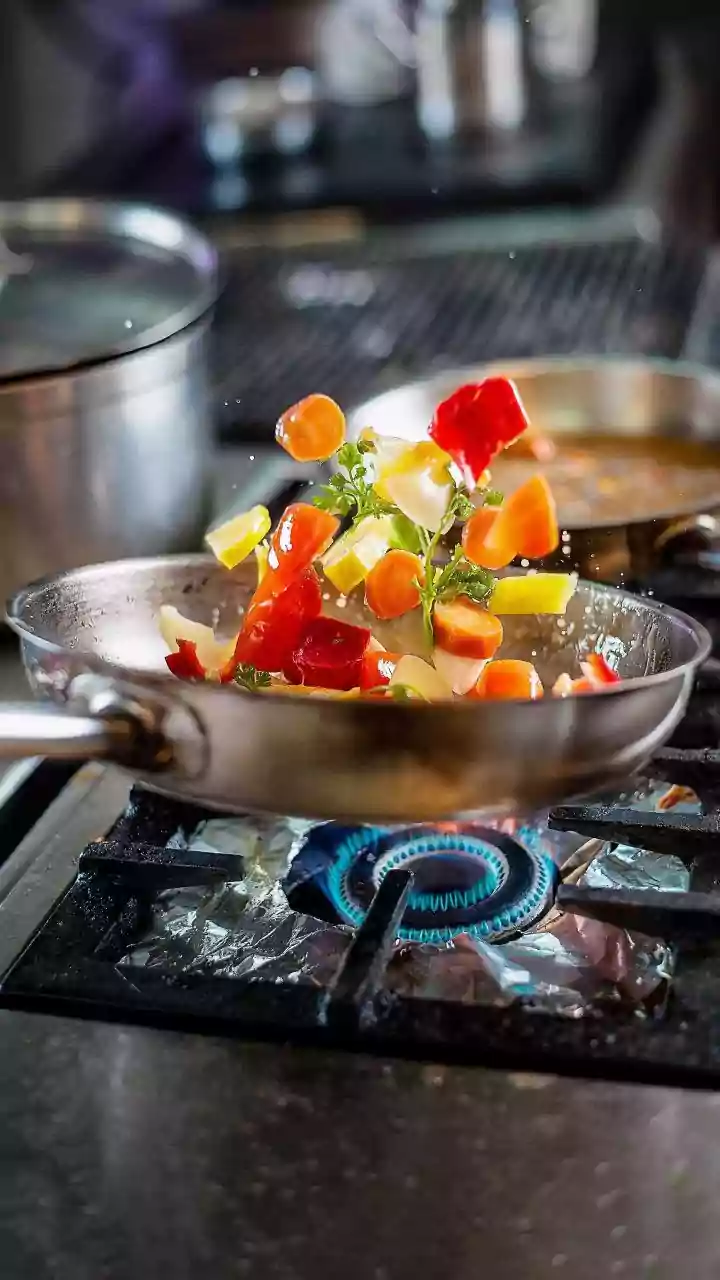
This is where the magic really happens. A simple bowl of boiled lentils or chickpeas can be completely transformed with a final 'tadka'. The infused oil coats every legume, infusing it with layers of flavour that make the dish taste rich and satisfying. Boring steamed vegetables like cauliflower, potatoes, or green beans become irresistible when tossed with bloomed spices. The technique allows you to move beyond just salt and pepper and add complex savory notes without relying on meat-based broths or stocks. By mastering how to heat spices, you can make plant-based dishes that are not just healthy, but also dynamic, aromatic, and deeply flavourful, turning everyday ingredients into something truly special.