





The Power of Spice
When rain lashes against the windowpane, our first instinct is to seek flavour that fights back against the gloom. This is where spice becomes our greatest culinary ally. In Indian cooking, spices are not just about heat; they are about depth, aroma,
and a gentle, internal warmth. Think beyond the fiery red chilli. The monsoon is the perfect time to embrace pungent, earthy spices like black pepper, cloves, cinnamon, and ginger. A classic masala chai is the quintessential example. The ginger cuts through the dampness, the cardamom adds a fragrant sweetness, and the cloves provide a woody depth that warms you from the inside out. This principle extends to our food. A simple bowl of dal can be transformed into a monsoon-appropriate dish with a tarka of ginger, garlic, and a pinch of garam masala. Soups benefit immensely from a generous crackle of black pepper. These spices do more than just tantalise the taste buds. According to traditional wisdom, many of them, particularly ginger and turmeric, have immunity-boosting properties, making them a practical choice during a season known for coughs and colds. So, when the rain starts, don't be shy. Open up your spice box and let it guide you.
The Embrace of Warmth
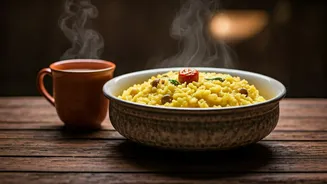
Warmth, in the context of rainy day food, is about more than just temperature. It’s a feeling, a texture, a sense of being enveloped. It’s the steam rising from a bowl, the comforting weight of a stew, the soul-soothing quality of a one-pot meal. While a hot cup of coffee or soup is an obvious choice, the concept of warmth runs deeper. It’s about dishes that are slow-cooked, rich, and require minimal fuss once they’re on the stove, filling your home with comforting aromas. Khichdi is perhaps the ultimate embodiment of this principle. It’s warm, soft, and incredibly nourishing—a hug in a bowl. Similarly, slow-simmered rasams, shorbas, and regional stews provide a liquid warmth that feels both healing and satisfying. Even the method of cooking can contribute to this feeling. The act of deep-frying pakoras or samosas, while not the healthiest habit, is a ritual that generates physical warmth and an atmosphere of indulgence perfectly suited to a grey afternoon. The key is to find warmth not just in the serving temperature, but in the heart of the dish itself.
The Quest for Balance
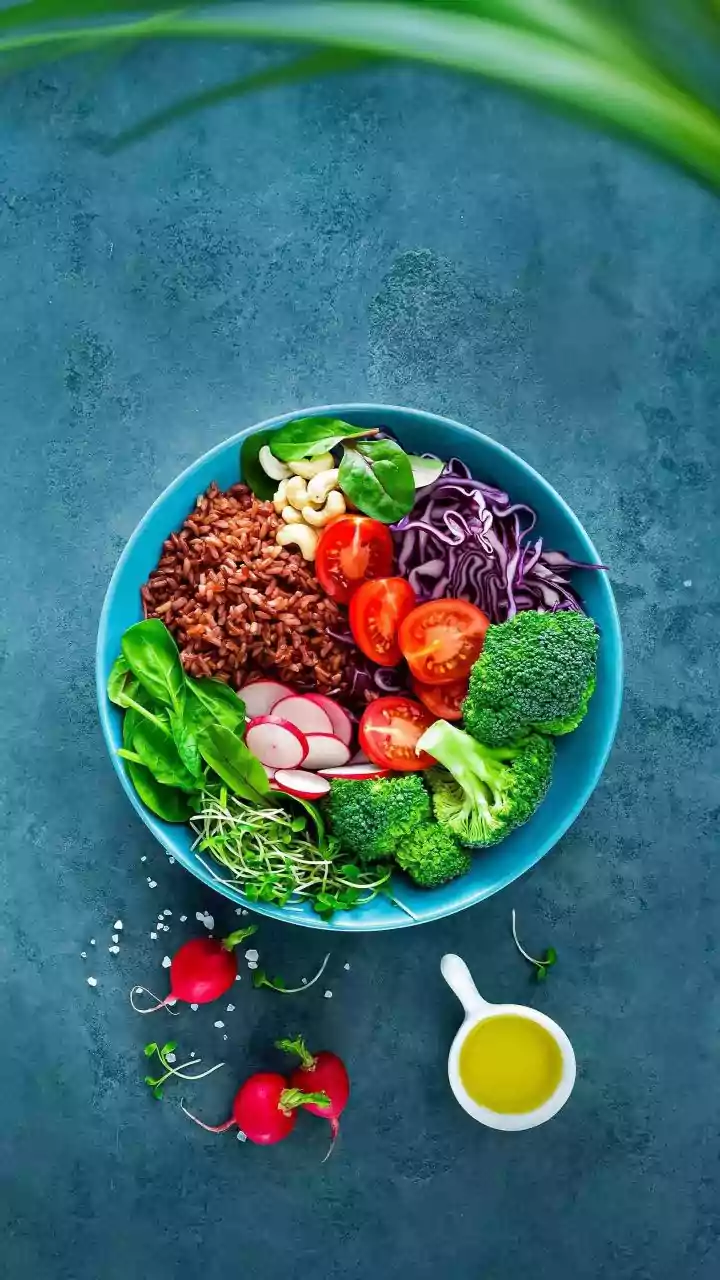
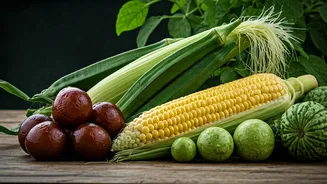
Herein lies the true art of monsoon cooking. It’s easy to indulge in spice and warmth, but without balance, our rainy-day meals can quickly become heavy and lead to sluggishness. The classic combination of pakoras and chai is a perfect example. It's delicious, but it can be a heavy load. Balance is about creating a meal that satisfies cravings without overwhelming the digestive system. How do we achieve this? First, by pairing rich foods with light ones. If you’re having fried bhajiyas, serve them with a fresh, tangy mint-coriander chutney that cuts through the oiliness. Instead of a second plate of samosas, consider a light and flavourful corn-on-the-cob (bhutta), roasted over an open flame and rubbed with salt, chilli, and lime. Second, balance flavours. The monsoon palate often craves a symphony of tastes—the tang of tamarind in a rasam, the sweetness of jaggery in a drink, the bitterness of methi in a paratha. A well-balanced meal engages all the senses. Finally, balance your meal times. A heavy, fried snack in the evening is best balanced by a light, soupy dinner like a simple vegetable stew or a bowl of thukpa.
Bringing It All Together
The perfect rainy meal is a thoughtful combination of these three pillars. It’s not about following a strict recipe but about understanding the principles. For an afternoon snack, instead of just fried food, try moong dal cheelas (pancakes) stuffed with paneer. They are warm, can be spiced to your liking with ginger and green chillies, and are far more balanced than their deep-fried cousins. For dinner, a simple vegetable and lentil soup, seasoned with cumin and black pepper, served with a piece of toasted garlic bread, ticks all the boxes. It’s warm and comforting (Warmth), flavourful (Spice), and nutritious (Balance). Or consider a well-made poha for breakfast on a rainy morning; it’s light yet satisfying, and can be easily customised with spices, peanuts for crunch, and a squeeze of lime for that final, balancing zest. The goal is to create food that feels like a conscious, comforting choice, not just a reactive indulgence.