



The Rise of the 'Bleisure' Trip
The lines between the office and the open road have never been more blurred. A significant trend is the fusion of business and leisure travel, popularly known as 'bleisure'. With flexible and remote work arrangements becoming more common, professionals
are increasingly extending their business trips for a few extra days of personal exploration. Reports suggest that Indian corporate travellers are global leaders in this space, taking more bleisure trips annually than the worldwide average. This habit is transforming hospitality, with hotels now offering amenities like co-working spaces alongside spa treatments and local tours. Cities like Bengaluru, Pune, and Hyderabad are seeing professionals tack on getaways to nearby destinations like Coorg, Lonavala, and Rishikesh, creating new travel corridors and boosting local economies.
A Quest for Authentic Experiences
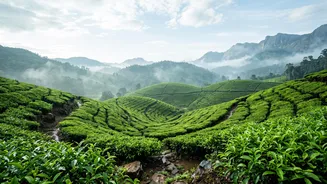
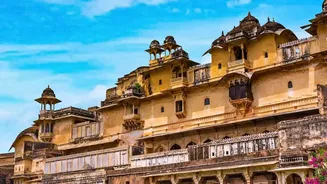
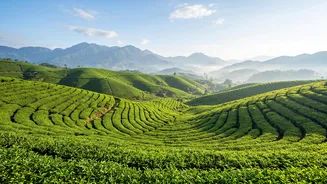
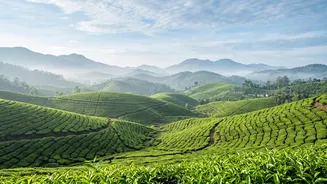
Checklist tourism is officially out. Today’s travellers are bypassing crowded hotspots in favour of immersive cultural journeys. Instead of just seeing the sights, there's a growing desire to understand the story behind a place. Recent reports show that a majority of Indian travellers are now planning their trips around heritage, local festivals, and culinary exploration. This has led to a boom in domestic travel to secondary cities and lesser-known regions. Destinations like Udaipur, Jodhpur, and even Bagdogra have seen a massive surge in bookings. This shift towards 'slow travel'—spending more time in one place—allows for deeper connection with local communities and traditions, from learning a craft in Kutch to exploring tea estates in Jorhat.
The Conscious and Sustainable Traveller
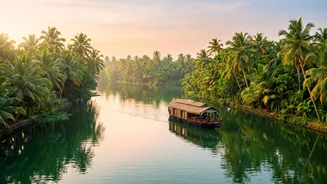
A new consciousness is guiding travel decisions. An overwhelming majority of Indian travellers—96% according to one report—now consider sustainable travel to be important. This translates into tangible actions like choosing eco-friendly accommodations, reducing waste, supporting local businesses, and avoiding single-use plastics. Climate change is also a direct factor, with many travellers opting for 'coolcations' in hill stations to escape rising temperatures in the cities. This has spurred interest in eco-tourism destinations like Wayanad in Kerala and pristine valleys in Arunachal Pradesh, putting a spotlight on the need for responsible tourism that preserves fragile ecosystems while benefiting local communities.
The Resurgence of Spiritual Journeys
Travel is increasingly being seen as a tool for wellness and self-reflection. Spiritual tourism is experiencing a major resurgence, evolving from traditional pilgrimages into a broader quest for mental well-being, mindfulness, and digital detox. Destinations like Rishikesh, Varanasi, Ayodhya, and Ujjain are witnessing a significant spike in interest. Government initiatives like the PRASHAD scheme are further boosting infrastructure at these sites. This trend isn't just about visiting temples; it encompasses yoga retreats, meditation, and engaging with local spiritual practices, reflecting a deeper search for meaning in a fast-paced world. The spiritual tourism sector is becoming a cornerstone of domestic travel, expected to generate significant revenue and employment.
Technology as the New Travel Companion
Digital tools are fundamentally changing how trips are planned and experienced. Indian travellers are becoming more independent, using technology to craft personalised itineraries rather than relying on pre-packaged tours. Artificial intelligence, in particular, is emerging as a game-changer. Travellers are using AI assistants to get budget-friendly recommendations, discover offbeat spots, and create hyper-personalised travel plans. This DIY approach, powered by video inspiration from platforms like YouTube and seamless payment options, is empowering a new generation of explorers to travel smarter, more frequently, and on their own terms.