



Beyond the Pizza Controversy
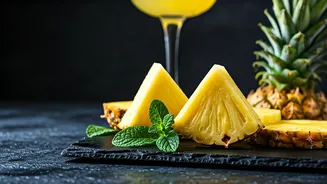
Forget everything you thought you knew about pineapple in savoury food. The fruit is undergoing a major culinary renaissance, and chefs are leading the charge. Once relegated to retro desserts like upside-down cake or as a controversial pizza topping,
pineapple is now being embraced for its complexity and versatility. This tropical fruit offers a unique balance of sweetness and acidity, a combination that can brighten and elevate a wide range of dishes. The trend is moving towards what some call 'punky pineapple'—a bold, confident use of its flavour that feels both fresh and adventurous. This shift reflects a broader consumer interest in tropical flavours and globally inspired dishes that provide a sense of escapism.
The Savoury Star
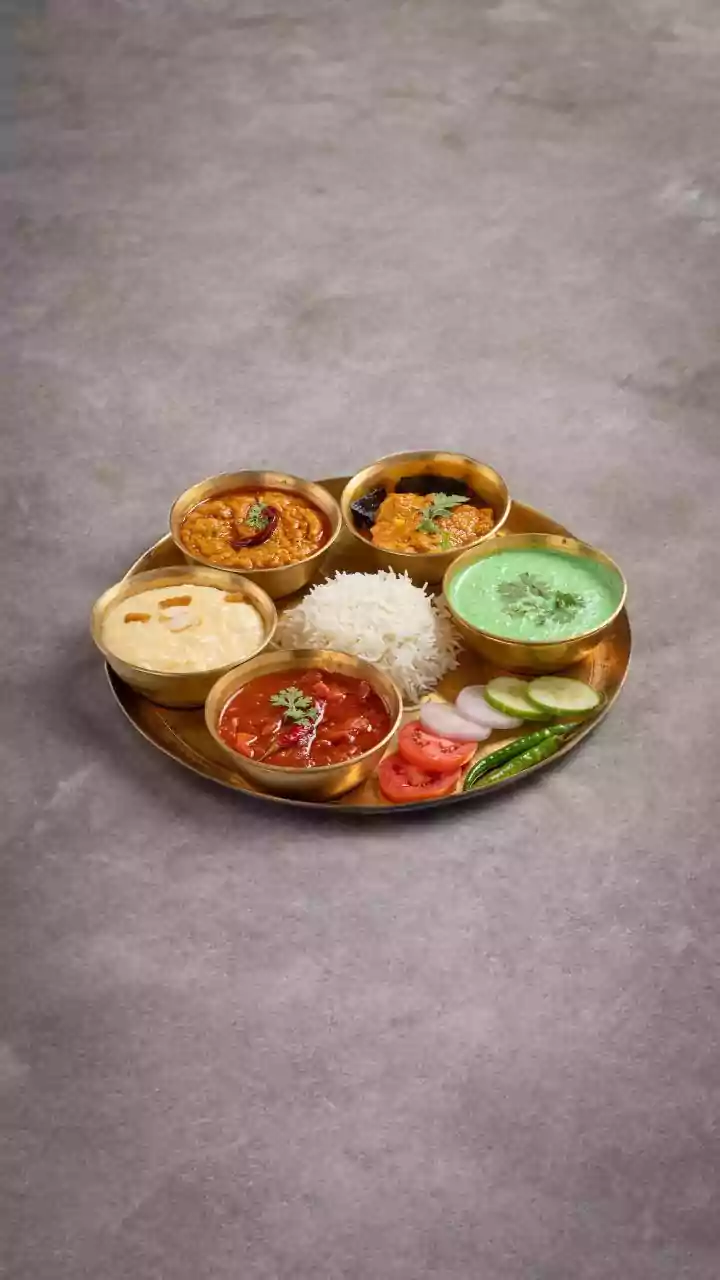
The most exciting part of pineapple's comeback is its starring role in savoury dishes. Its natural sugars caramelise beautifully when grilled or roasted, creating a smoky sweetness that pairs exceptionally well with meats like pork and chicken. Think soy-glazed pork and pineapple skewers, where the fruit's tang cuts through the richness of the meat. In India, where sweet, sour, and spicy flavour profiles are a cornerstone of many regional cuisines, chefs are finding pineapple to be a natural fit. Dishes like Pineapple Gojju from Karnataka, a curry that balances the fruit with tamarind, jaggery, and spices, showcase this perfectly. Even acclaimed chefs like Vikas Khanna are featuring spice-roasted pineapple, demonstrating its potential in high-end Indian cuisine. Modern menus are also featuring pineapple in fresh salsas with jalapeño and lime, offering a tropical twist on tacos and grilled fish.
The Secret Ingredient: Bromelain
Pineapple’s culinary magic isn't just about taste; it's also about science. The fruit contains a powerful enzyme mixture called bromelain, found throughout the fresh plant. Bromelain is a protease, meaning it breaks down proteins. This is why fresh pineapple is a fantastic natural meat tenderiser; marinating tough cuts in pineapple juice can make them incredibly succulent. However, this enzymatic action is destroyed by heat, which is why canned pineapple doesn't have the same tenderising effect. This unique property allows chefs to use fresh pineapple not just for flavour, but also to manipulate texture in their culinary creations. The core of the pineapple has the highest concentration of this enzyme.
A Splash in the Glass
The pineapple trend isn't limited to the plate. The craft cocktail scene has fully embraced the fruit, moving far beyond the classic Piña Colada. Its ability to pair with other flavours—from spicy ginger to aromatic herbs like mint and basil—makes it a versatile ingredient for mixologists. Pineapple's sweet and sour notes can balance the bite of tequila in a margarita or complement the botanical notes of gin. Some bartenders are even hollowing out the fruit and using it as a dramatic serving vessel for tropical drinks. This not only adds to the flavour but also creates a highly Instagrammable experience, tapping into the visual culture that drives many modern food and drink trends.