



An Atmosphere Primed for Pollution
The end of the monsoon season brings meteorological changes that create a perfect storm for pollution. Cooler temperatures and lower wind speeds lead to a phenomenon known as temperature inversion, where a layer of cool air is trapped under a layer of warmer
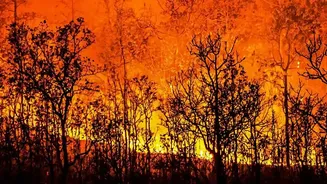
air. This acts like a lid over the Indo-Gangetic Plain, preventing pollutants from dispersing. Smoke from agricultural fires, vehicle emissions, and industrial output gets locked close to the ground, accumulating to hazardous levels, particularly in cities like Delhi. This atmospheric trap means that emissions from hundreds of kilometres away can have a direct and severe impact on urban air quality.
The Farmer's Economic Dilemma
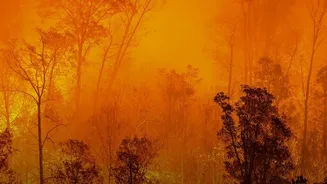
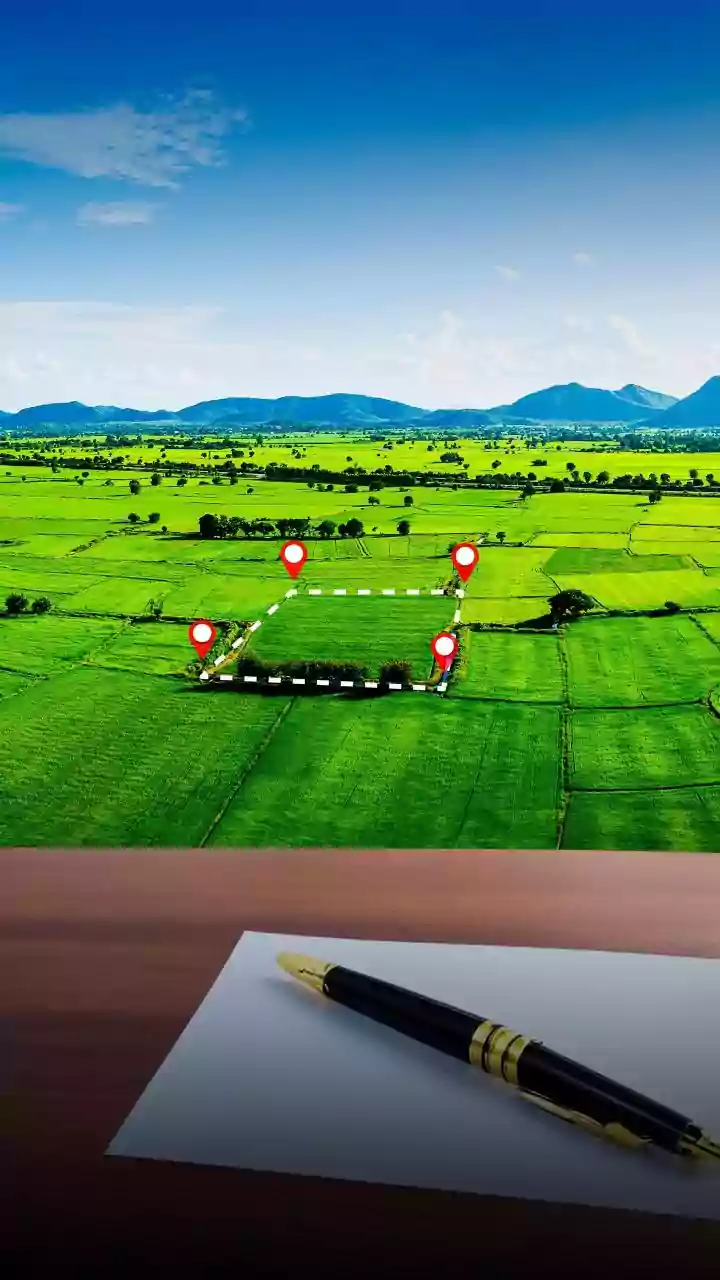
At the heart of the crop-burning issue is a tight economic and logistical bind faced by farmers in states like Punjab and Haryana. After harvesting paddy (rice), they have a very short window—often just a few weeks—to clear the fields and sow the next crop, wheat. Burning the leftover stubble is the quickest and cheapest method. Alternatives, such as using machinery like the 'Happy Seeder' which can sow wheat seeds without needing to clear the stubble, are often too expensive for many small and marginal farmers, despite government subsidies. The high cost of renting or buying these machines, coupled with fuel expenses, makes the simple act of lighting a match a more practical, albeit polluting, choice. Furthermore, rice straw has high silica content, making it unsuitable as animal fodder, which reduces its economic value and incentivises burning.
More Than Just Stubble
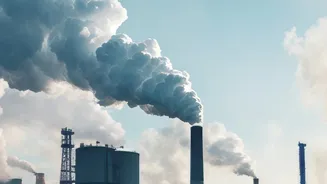
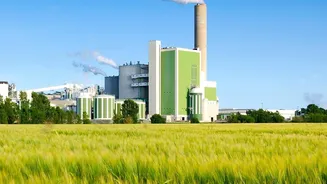
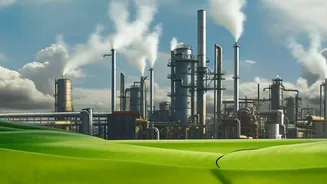
While crop-residue smoke is a significant and highly visible contributor, accounting for up to half of the harmful PM2.5 particles on severe days, it is far from the only culprit. The pollution puzzle in urban centres, especially the Delhi-NCR region, is a cocktail of multiple sources. Year-round emissions from vehicles, heavy industry, coal-fired power plants, and construction dust form the baseline of poor air quality. During the post-monsoon period, these local pollutants are compounded by the smoke from farm fires. Add to this the smoke from fireworks during festivals like Diwali, and the air becomes a toxic mix that sends pollution levels soaring into the 'Severe' category. Studies show that sources like biomass burning for cooking and heating, road dust, and industrial emissions are also major factors.
The Search for Lasting Solutions
Tackling this crisis requires a multi-pronged strategy that goes beyond simply banning the practice of stubble burning, which has proven difficult to enforce. The government has been implementing a Central Sector Scheme since 2018 to promote Crop Residue Management (CRM). This involves providing financial assistance for the purchase of machinery and establishing Custom Hiring Centres (CHCs) to make equipment more accessible. Another key strategy is creating economic value from the stubble itself. This includes promoting its use as a biomass fuel in power plants and brick kilns, with policies mandating a certain percentage of co-firing with paddy straw pellets. Innovators are also exploring ways to convert agricultural waste into bio-CNG, ethanol, or even electricity, turning a problem into a resource. The Commission for Air Quality Management (CAQM) is also pushing for state-specific action plans and awareness campaigns to change behaviour at the ground level.
A Public Health Emergency
The human cost of this seasonal pollution is staggering. The spike in PM2.5—tiny, inhalable particles that can enter the bloodstream—leads to a surge in respiratory and cardiovascular diseases. Hospitals report a significant increase in admissions for asthma, bronchitis, and other lung-related ailments, particularly among children and the elderly. Long-term exposure to such high levels of air pollution is linked to millions of premature deaths in India annually and an increased risk of chronic conditions like hypertension and even depression. The thick, choking smog forces school closures, reduces visibility, and makes outdoor activity a health hazard, impacting the daily lives of hundreds of millions of people across North India.