






Prioritise Safe Water and Food
The single most important rule during the monsoon is to be vigilant about what you eat and drink. Water-borne diseases like typhoid, cholera, and diarrhoea are rampant during this season due to contamination of water sources. Always drink boiled, filtered,
or purified water. Avoid drinking from public taps or unverified sources. When it comes to food, be wary of street food, especially items that are pre-cut or exposed to the open air. Raw salads, cut fruits, and chutneys can be a source of infection. Instead, opt for freshly cooked, hot meals. At home, wash all vegetables and fruits thoroughly, perhaps with a bit of salt or vinegar in the water, before consumption. It’s also wise to avoid leafy green vegetables, as the moisture and mud can harbour germs that are difficult to wash away completely.
Fortify Your Defences Against Mosquitoes
Stagnant water is a mosquito’s paradise, and the monsoon provides plenty of it. This leads to a surge in vector-borne diseases like dengue, malaria, and chikungunya. Your first line of defence is preventing mosquito breeding. Don't allow water to collect in coolers, flower pots, old tyres, or any open containers around your home. Regularly clean and dry these areas. For personal protection, use mosquito repellents, especially during dawn and dusk when mosquitoes are most active. Wearing long-sleeved shirts and full-length trousers can also significantly reduce your risk of being bitten. Sleeping under a mosquito net is one of the most effective and time-tested methods for protection during the night.
Boost Your Immunity with the Right Diet
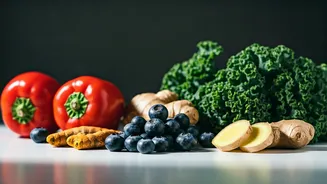
A strong immune system is your best weapon against seasonal infections. The monsoon is a good time to include immunity-boosting foods in your diet. Increase your intake of Vitamin C through citrus fruits like oranges and sweet limes (mosambi), as well as amla. Incorporate traditional Indian spices like turmeric (haldi), ginger (adrak), and garlic (lehsun) into your cooking. These have powerful anti-inflammatory and antibacterial properties. A warm bowl of soup or a cup of herbal tea can be both comforting and beneficial. Probiotic-rich foods like yoghurt (dahi) can help maintain good gut health, which is crucial for overall immunity. Keep your meals light and easily digestible, as the digestive system can become sluggish during this season.
Maintain Personal and Foot Hygiene
The high humidity in the air can lead to a host of skin and fungal infections. Showering twice a day, especially after getting wet in the rain, is a good practice. Use an anti-bacterial soap and make sure to dry yourself thoroughly, paying special attention to skin folds. Your feet are particularly vulnerable. Walking through puddles and wearing damp shoes for long hours can cause fungal infections like athlete's foot. Always wash your feet with soap and water after coming indoors and dry them completely. Avoid wearing plastic or non-breathable footwear. Opt for open-toed sandals or flip-flops when possible. If you must wear closed shoes, make sure they are completely dry before you put them on.
Assemble a Monsoon First-Aid Kit
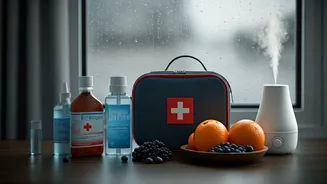
It’s always a good idea to have a basic first-aid kit at home, but it's especially important during the monsoon when getting to a pharmacy might be difficult due to heavy rains. Your monsoon kit should include antiseptic lotion, bandages, and cotton for minor cuts and scrapes. Also include a good antifungal cream or powder for skin rashes. Pain relievers, tablets for indigestion or diarrhoea, and oral rehydration salts (ORS) are essential to have on hand. If anyone in the family is prone to allergies, keep antihistamines as well. Having these basics ready can help you manage minor health issues promptly before they escalate.