

The Two Types of Dietary Iron
To understand why this pairing is so powerful, we first need to know that iron in our food comes in two forms: heme and non-heme. Heme iron, found in animal products like meat, poultry, and fish, is easily absorbed by the body. Plant-based foods like leafy
greens, lentils, beans, and seeds contain only non-heme iron. While abundant, non-heme iron is less bioavailable, meaning our bodies find it harder to absorb. Absorption rates for non-heme iron can be as low as 2-20%, compared to 15-35% for heme iron. This is the central challenge for anyone relying solely on plants for their iron intake.
Vitamin C: The Ultimate Iron Enhancer
This is where vitamin C, also known as ascorbic acid, steps in as the hero. Vitamin C is the most potent known enhancer of non-heme iron absorption. Its magic lies in its ability to transform iron into a more usable state. At the chemical level, vitamin C converts non-heme iron from its ferric (Fe3+) form into the ferrous (Fe2+) form in the gut. The ferrous form is significantly more soluble and easier for your intestines to absorb. In essence, vitamin C unlocks the iron that's already present in your plant-based foods, ensuring your body can actually use it.
Can It Really Double Absorption?
The claim that vitamin C can double iron absorption is not an overstatement; in many cases, it's a conservative estimate. Studies have shown that the enhancement is directly proportional to the amount of vitamin C consumed with a meal. Some research indicates that adding vitamin C can increase non-heme iron absorption by two to seven times, depending on the meal's composition. One study found that adding 100mg of vitamin C to a meal increased iron absorption by 67%. Another noted that it could increase absorption by up to five-fold. So, while 'doubling' is a good rule of thumb, the effect can often be even more dramatic, making this simple habit profoundly effective.
Smart Pairings for Your Plate
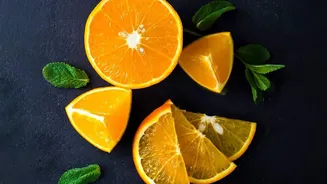
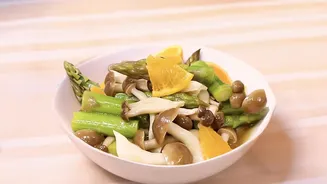
Putting this science into practice is both easy and delicious. The key is to combine an iron-rich plant food with a vitamin C-rich one in the same meal. Leafy greens like spinach, kale, and methi (fenugreek leaves) are excellent sources of iron, while citrus fruits are packed with vitamin C. Think beyond just squeezing a lemon over your dal. Try a spinach salad with orange segments and a lemon-based vinaigrette. Blend a green smoothie using kale and add a whole orange or some amla (Indian gooseberry) for a powerful C-boost. A simple lentil soup can be transformed by adding tomatoes, which are a great source of vitamin C, or by enjoying it with a glass of fresh orange juice. Other fantastic pairings include bell peppers with tofu, strawberries with oatmeal, or a chickpea curry finished with a generous squeeze of lime.
Watch Out for Iron Inhibitors
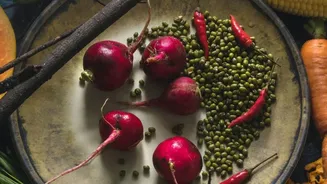
Just as some compounds enhance iron absorption, others can hinder it. The main culprits are phytates, found in whole grains and legumes, and polyphenols (including tannins), which are abundant in tea and coffee. Oxalates, present in foods like raw spinach and beets, can also bind to iron. This doesn't mean you should avoid these healthy foods. Instead, be strategic. Soaking and sprouting legumes and grains can reduce their phytic acid content. More importantly, try to avoid drinking tea or coffee within an hour of your iron-rich meals to give your body the best chance to absorb the mineral. The powerful effect of vitamin C can also help counteract some of these inhibitors, making it an even more valuable addition to your meals.