



Why Variety is a National Priority
India's push for better child nutrition is a concerted effort to combat malnutrition, including stunting, wasting, and micronutrient deficiencies. Initiatives like Mission POSHAN 2.0 aim to improve the health of children, adolescent girls, and women by
promoting nutrition awareness and good eating habits. For parents, this national goal translates to a simple, powerful action at home: increasing dietary diversity. No single food provides all the nutrients a growing body needs. A varied diet ensures children get a wide spectrum of vitamins and minerals crucial for physical growth and brain development.
The Balanced Thali: A Simple Framework
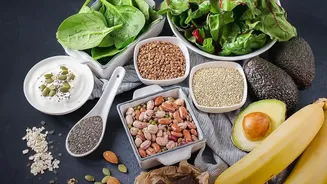
Forget complex calorie counting. A helpful approach is to structure your child’s plate around key food groups. Aim to fill about 40% of their plate with grains like whole wheat roti, rice, or millets for energy. Vegetables and fruits should take up another 30%. Proteins, such as dal, paneer, eggs, or chicken, should constitute around 20%. Finally, about 10% can be healthy fats found in ghee, nuts, and seeds, which are vital for brain development. Combining cereals and pulses, like in dal and rice, creates a complete protein, which is an excellent strategy for vegetarian diets.
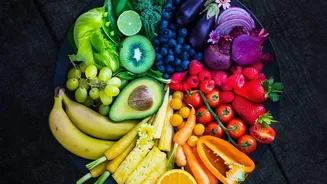
Eat the Rainbow: Beyond Basic Sabzi
Encouraging children to 'eat a rainbow' is a fun way to ensure they consume a broad range of micronutrients. Each colour in fruits and vegetables typically corresponds to different vitamins and antioxidants. Think beyond the usual and include vibrant options like beetroot in paratha dough, yellow pumpkin in sambar, and a side of carrot sticks. For fruits, move between bananas, papayas, apples, and seasonal favourites. This colourful approach helps cover deficiencies in crucial nutrients like iron, vitamin A, and zinc, which are common concerns.
Smart Snacking Between Meals
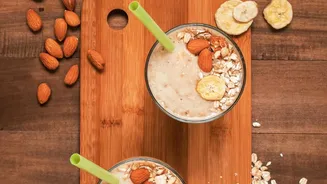
What children eat between meals is just as important as the main course. Instead of processed, sugary snacks, opt for nutrient-dense alternatives. Roasted makhana (fox nuts) are a fantastic, crunchy snack high in protein and low in calories. Other great options include a handful of roasted chana (chickpeas), a bowl of fresh curd or yogurt, fruit chaat, or steamed corn. These snacks provide sustained energy without the empty calories of packaged junk food. Having a predictable meal and snack schedule also helps regulate hunger and prevents children from being too full for their main meals.
Dealing with Picky Eaters
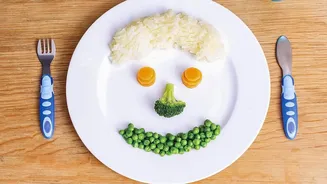
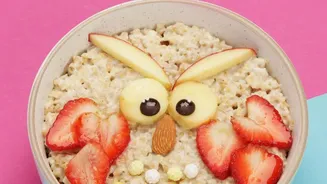
Dealing with a picky eater can be frustrating, but battles at the dinner table rarely work. Experts suggest that a child may need to be exposed to a new food more than 10 times before accepting it. One effective strategy is to involve them in the meal preparation. Let them help with age-appropriate tasks like washing vegetables, stirring ingredients, or arranging food on a plate. This sense of ownership can make them more willing to try the final dish. Another tip is to serve small, manageable portions and not to pressure them to finish everything. Being a good role model by eating a variety of foods yourself is also a powerful influencer.