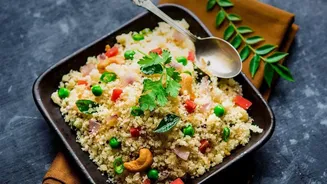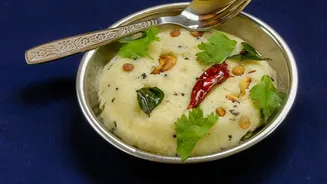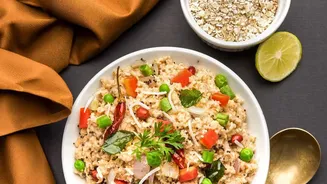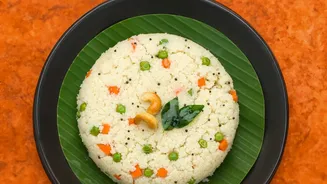


A staple in countless Indian households, upma is the undisputed champion of quick, comforting, and wholesome breakfasts. But beyond the classic sooji version lies a fascinating variety shaped by regional tastes and pantry staples.
The Classic: Rava Upma
This is the version most
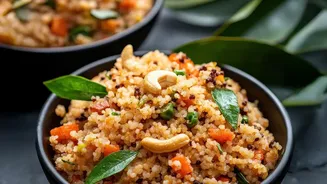
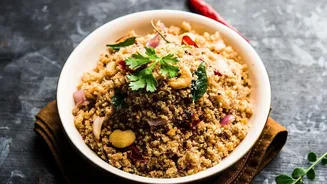
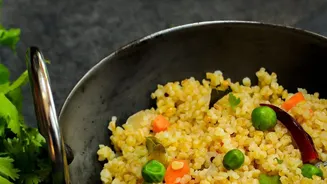
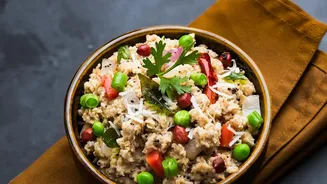
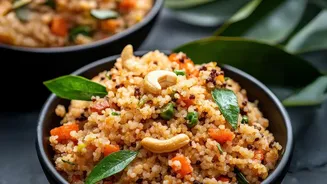
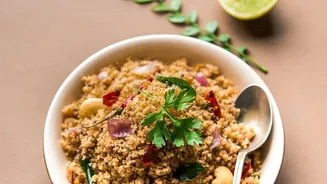
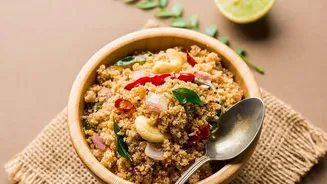
people picture when they think of upma. Made from roasted rava (semolina or sooji), it’s a simple masterpiece of South Indian cuisine that has found a home across the country. The preparation is straightforward: dry-roasted semolina is cooked in water that has been tempered with mustard seeds, lentils like urad dal and chana dal, curry leaves, ginger, and green chillies. The key to a fluffy, non-sticky texture lies in perfectly roasting the rava until it’s fragrant and crisp. Often loaded with vegetables like carrots, peas, and beans, this version is incredibly versatile. It's typically served hot, sometimes with a side of coconut chutney or just a sprinkle of sugar for a sweet and savoury balance.
The Spicy Sibling: Khara Bath
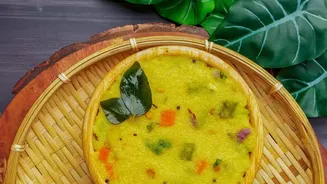
Popular in Karnataka, Khara Bath is often mistaken for a simple vegetable upma, but it’s a dish with its own distinct personality. While it shares the same rava base, its defining feature is the addition of a special masala powder, often Vangi Bath powder, which gives it a unique spicy and tangy flavour profile and a beautiful reddish-yellow hue. Compared to the standard upma, Khara Bath is more aromatic and robustly spiced, often cooked with a generous amount of ghee and a medley of vegetables like tomatoes, onions, and capsicum. In many Bangalore eateries, it is famously served alongside a sweet semolina dish called Kesari Bath, a combination fondly known as 'Chow Chow Bath'.
The Noodle Twist: Semiya Upma
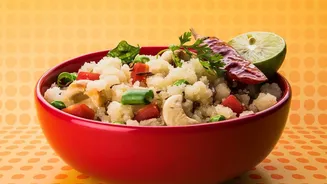
For those who prefer a different texture, Semiya Upma is a delightful alternative. Made with thin wheat vermicelli, this dish is lighter and less dense than its rava counterpart. The preparation is similar, involving a flavourful tempering of spices, but the key is to avoid making the vermicelli mushy. This is often achieved by lightly roasting the semiya before adding it to boiling water and vegetables. Like rava upma, it’s a one-pan wonder that comes together in under 30 minutes, making it a perfect solution for hectic mornings. Regional variations exist here too, with Kerala versions adding grated coconut and Andhra-style recipes packing more heat with chillies.
The Resourceful One: Bread Upma
Bread Upma is the genius solution for using up leftover or slightly stale bread. It’s a quick and flavourful dish where bread cubes are tossed in a spicy tempering of onions, tomatoes, mustard seeds, and curry leaves. Also known as 'bread poha' in some regions, this dish transforms humble bread into a mouth-watering breakfast or evening snack in just 15-20 minutes. The bread pieces soak up all the tangy and spicy flavours of the masala, becoming soft and delectable. For a bit of crunch, you can toast the bread cubes before adding them to the pan or add roasted peanuts or cashews at the end.
The Maharashtrian Classic : Kanda Pohe
While technically a poha dish, Kanda Pohe shares the spirit of upma as a quick, pantry-based breakfast, especially popular in Maharashtra. Made from flattened rice (poha), onions ('kanda' in Marathi), peanuts, and a simple tempering of mustard seeds and turmeric, it’s a light, fluffy, and incredibly satisfying meal. The poha is quickly rinsed to soften it, then gently folded into the sautéed onions and spices. A final squeeze of lemon juice and a garnish of fresh coriander and grated coconut complete this iconic breakfast. It’s a testament to how regional cuisines create distinct yet equally delicious dishes from a shared philosophy of simple, quick cooking.