



The Great Urban Escape
It’s a trend that plantation owners and resort managers across Kodagu have noted: a steady stream of guests arriving from Bangalore, Mumbai, and other metros, specifically to embrace the monsoon. This isn’t about escaping the rain; it’s about running
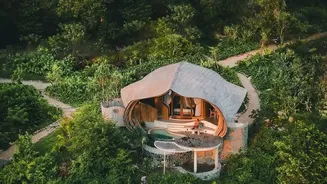
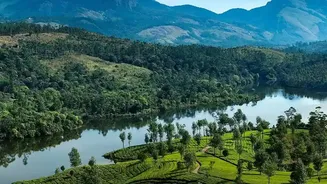
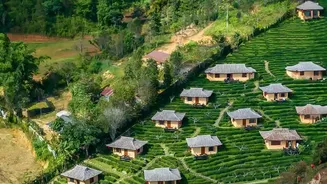
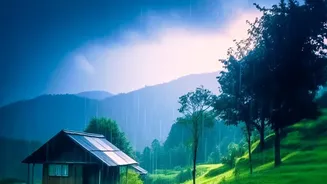
towards it. For many, the modern urban experience is a constant state of overstimulation. The appeal of Coorg in July and August lies in its promise of a sensory reset. Instead of traffic horns, there is the sound of rain on tiled roofs. Instead of concrete towers, there are rolling hills disappearing into thick mist. This migration is driven by a search for tranquility and a desire to disconnect from the digital tethers of city life, with travellers increasingly choosing quiet homestays and resorts on the outskirts over traditional lodging in crowded towns.
Decoding Monsoon Wellness
The phrase ‘monsoon wellness’ is more than just a marketing buzzword; it’s a holistic concept gaining traction among weary urbanites. It represents a shift from a vacation packed with sightseeing to a retreat focused on rejuvenation. The philosophy is simple: nature itself is the therapy. The cool, clean air at Coorg’s high altitudes, typically between 900 and 1,700 metres, is considered restorative. The season provides a unique sensory experience that promotes well-being, from the visual feast of lush, green landscapes to the calming soundtrack of a constant drizzle. Experiences are intentionally slow and mindful, including guided 'forest bathing' sessions, birdwatching, and yoga overlooking mist-filled valleys. It’s about reconnecting with the natural world as an antidote to stress and burnout.
Life on a Coffee Plantation
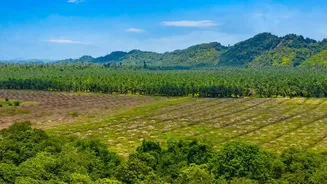
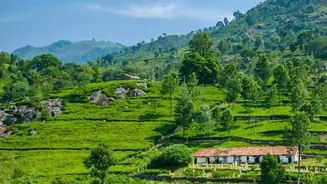
The quintessential Coorg monsoon experience is found within its sprawling coffee estates. Here, plantation bungalows and private villas offer an immersive stay where the landscape is the main attraction. Days are structured around the rhythms of the rain. A typical morning might involve a guided walk through the plantation, with the host explaining the journey from bean to cup. Guests learn to identify Arabica and Robusta plants, with pepper vines snaking up silver oak trees. Afternoons are often spent on a covered veranda, reading a book with a freshly brewed coffee as showers pass through the valleys. Evenings are for enjoying home-cooked Kodava cuisine, known for its unique flavours. These stays offer a level of privacy and authenticity that helps travellers disconnect completely.
The Allure of High Altitude
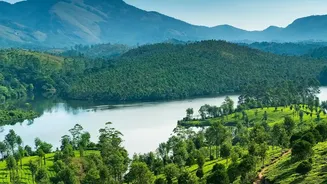
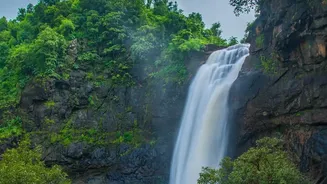
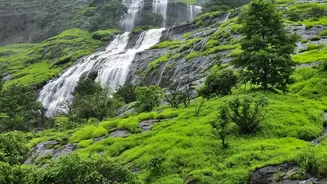
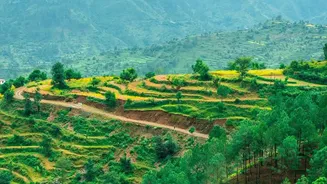
The 'high-altitude' element is crucial to Coorg's monsoon appeal. The elevation ensures a climate that is dramatically different from the humid coasts or hot plains. The air is cool and crisp, and the hills are perpetually draped in a dramatic layer of mist, creating a landscape that feels both mysterious and serene. This environment encourages a slower pace of life. Waterfalls like Abbey and Iruppu, which are modest in the dry season, become powerful, roaring spectacles during the monsoon, drawing visitors who want to witness nature at its most majestic. The entire ecosystem comes alive, from the amphibians that emerge after the first rains to the vibrant wildflowers that dot the trails, offering a unique biodiversity experience for those willing to brave the wet weather.
A Shift in Travel Priorities
Ultimately, the rising interest in monsoon trips to Coorg reflects a broader change in how people, especially urban Indians, view their leisure time. The focus is shifting from 'doing' to 'being'. A vacation is no longer just about ticking off a list of attractions but about finding a space for mental and physical restoration. According to tourism officials and travel operators, there has been a noticeable increase in monsoon tourism, with some reports indicating significant growth in bookings. Travelers are seeking out destinations that offer peace and a genuine connection to the local culture and environment. The rain-drenched coffee estates of Coorg, with their promise of quiet, comfort, and natural beauty, are perfectly positioned to meet this growing need for a meaningful escape.