


An Explosion of Life and Colour
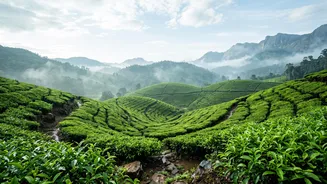
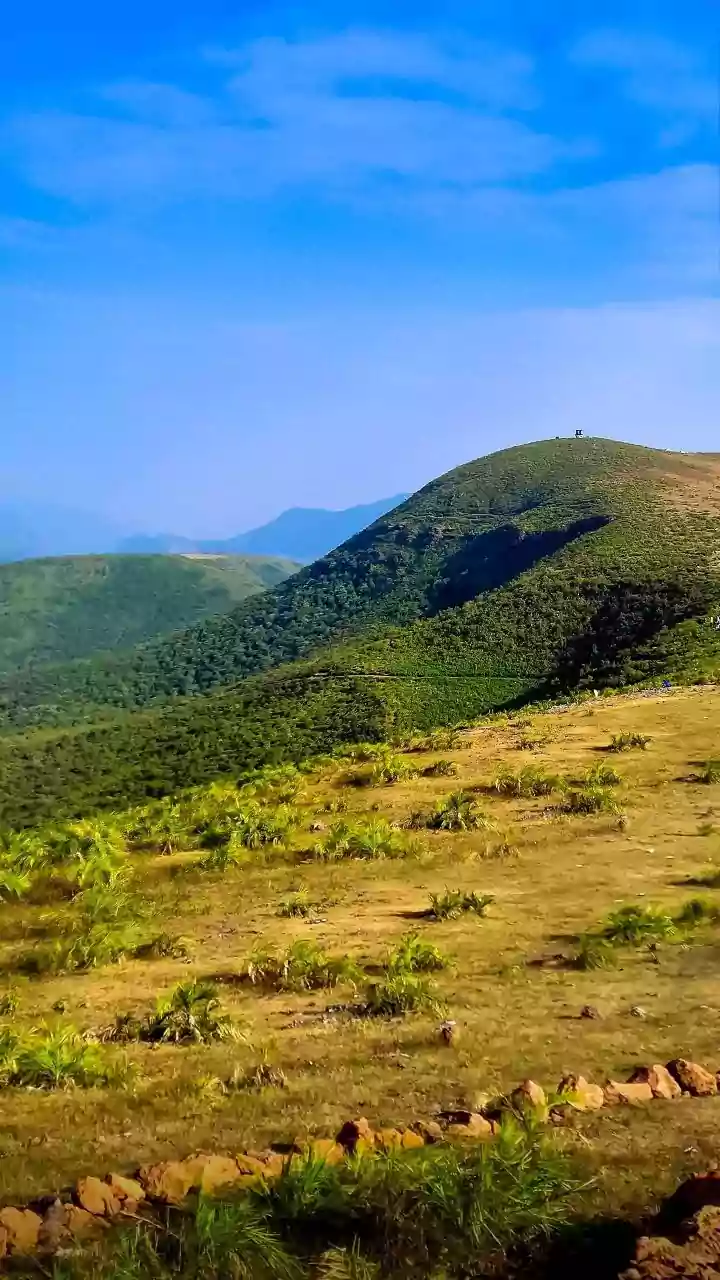
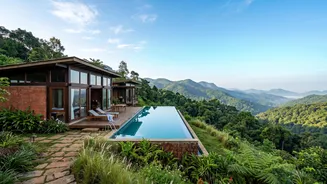
The primary allure is the dramatic transformation of the landscape. After months of intense monsoon showers, the entire mountain range, which stretches through states like Maharashtra, Karnataka, Kerala, and Tamil Nadu, comes alive. The brown, parched
hills of summer are replaced by a saturated, emerald green carpet. Countless waterfalls, some of which only exist during this season, cascade down mountain slopes, and rivers gush with fresh water. The air is thick with the smell of wet earth and mist often shrouds the peaks and valleys, creating a cinematic, almost surreal driving experience. This visual feast is the main draw, turning a simple drive into an immersive natural spectacle.
The Thrill of the Open Road
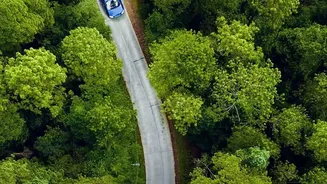
Driving in the Ghats is not for the faint of heart, and that’s a huge part of its appeal for young adventurers. Routes like the hairpin bend-laden stretch from Pollachi to Valparai or the misty ascents of Amboli and Chorla Ghats offer a genuine challenge. For many young people, navigating these winding, often narrow roads is a rite of passage. It's about the feeling of freedom and control, the joy of the journey itself rather than just the destination. This trend aligns with a broader shift among young Indians, particularly Gen Z, who are increasingly favouring spontaneous, self-driven escapes over traditional planned holidays. The flexibility to stop at any viewpoint, explore a hidden trail, or simply pull over for a hot cup of tea at a roadside stall is a luxury that structured travel doesn't offer.
More Than Just a Drive
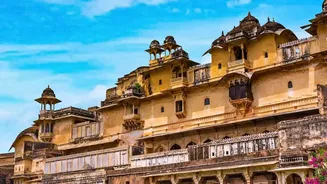
The experience extends beyond the driver's seat. These road trips are a multi-sensory journey. The Western Ghats are a UNESCO World Heritage site and a global biodiversity hotspot, home to unique wildlife, dense rainforests, and sprawling tea and coffee plantations. A trip could involve trekking to a fort like Raigad in Maharashtra, visiting the ancient temples of Malnad in Karnataka, or exploring the coffee estates of Coorg and Chikmagalur. Routes like the one from Ooty to Mudumalai offer a stunning transition from cool tea hills to a wildlife haven where you might spot deer or even elephants. This blend of nature, adventure, and culture provides a rich, layered experience that a simple city break cannot match.
The Perfect Digital Detox (and Photo Op)
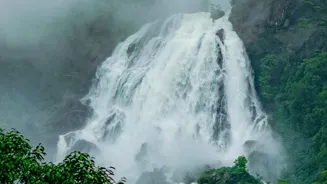
While the desire to disconnect is a major driver, the visual appeal of these trips is undeniably amplified by social media. The misty mountains, dramatic waterfalls like Jog Falls and Dudhsagar, and lush green vistas are incredibly photogenic. For a generation that documents its life online, a post-monsoon road trip provides an endless stream of stunning content that feels both aspirational and authentic. It's a way to showcase a love for adventure and nature. Yet, at the same time, many remote areas in the Ghats have limited connectivity, forcing a welcome digital detox and allowing travellers to be more present in the moment. This duality—being able to capture incredible content while also being forced to disconnect—is a unique part of the appeal.
Safety on the Ghat Roads
While the beauty is undeniable, post-monsoon driving in the Ghats requires caution. Roads can be slippery, and the risk of landslides or falling rocks in certain high-rainfall areas like Charmadi Ghat is real. It's crucial to ensure your vehicle is in good condition, especially the tyres and brakes. Experienced drivers recommend starting early to avoid driving in the fog and darkness that descends quickly in the hills. Checking local weather alerts and road conditions before you start is essential, as some routes may have temporary closures. Slowing down, maintaining a safe distance from other vehicles, and avoiding distractions are basic but critical rules for navigating these beautiful but demanding terrains safely.