





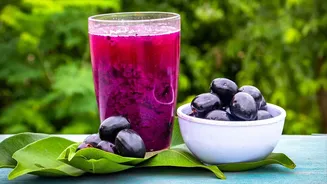

The Hidden Costs of Carbonated Drinks
It's no secret that most carbonated soft drinks are packed with sugar and 'empty calories', meaning they offer little to no nutritional value. Regular consumption is linked to a range of health issues, including weight gain, an increased risk of type
2 diabetes, and cardiovascular problems. Studies have shown that even one sugary drink per day can contribute to long-term health complications like non-alcoholic fatty liver disease. These drinks cause sharp spikes in blood sugar, leading to a quick burst of energy followed by a crash, leaving you feeling more tired than before. Beyond the sugar, they can also contribute to dental erosion and provide none of the essential vitamins, minerals, or fibre your body needs to thrive.
The Traditional Treasure: Kokum
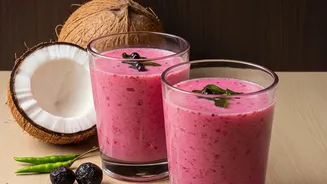
Enter kokum, a fruit native to India's Western Ghats. For centuries, its deep purple-red dried rind has been a staple in regional cuisine and Ayurvedic medicine. Kokum is celebrated for its natural cooling properties, making it a perfect antidote to summer heat and a shield against dehydration. It is traditionally used as a digestive aid, helping to soothe acidity and indigestion. Rich in antioxidants and a compound called hydroxycitric acid (HCA), kokum is also believed to help manage appetite and possess anti-inflammatory properties.
How to Make a Classic Kokum Cooler
Making your own Kokum cooler, or sherbet, is incredibly simple. You can create a concentrate to store in the fridge for a quick, refreshing drink anytime. Start by soaking dried kokum rinds in warm water for a few hours until they are soft. Blend the soaked kokum with a sweetener like jaggery, and then strain the mixture to get a smooth pulp. To make the concentrate, cook this pulp gently with spices like roasted cumin powder, black salt, and a pinch of ginger powder until the jaggery dissolves. To serve, just mix a few tablespoons of this concentrate with chilled water or soda, add ice cubes, and garnish with fresh mint leaves for a truly revitalising beverage.
The Power of Natural Energy Smoothies
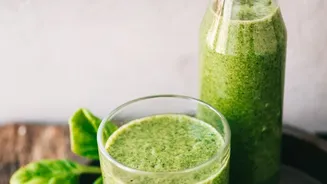
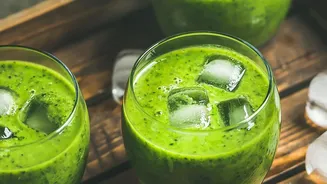
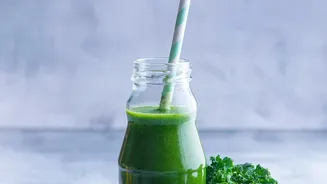
Another fantastic alternative is a natural smoothie. Unlike the processed sugar in sodas, smoothies provide energy from whole fruits and vegetables, which is released more slowly and sustainably. They are packed with vitamins, minerals, and fibre, which promote digestive health and keep you feeling full and satisfied. A smoothie made with fresh produce is not just a drink; it's a nutrient-dense snack or meal replacement that can boost your immune system, improve skin health, and keep you hydrated. Making them at home gives you complete control over the ingredients, ensuring there are no hidden sugars or artificial additives.
Easy Smoothie Ideas for a Healthy Boost
The beauty of smoothies lies in their versatility. You can mix and match ingredients based on your taste and what's in season. For a classic energy booster, blend a frozen banana, a handful of spinach, and a scoop of plain yoghurt with a splash of milk or coconut water. For a vitamin C punch, try mixing mango, pineapple, and a spoonful of chia seeds. Berries are a great low-sugar option packed with antioxidants; blend a mix of frozen berries with almond milk and a few nuts for healthy fats. Don't be afraid to add vegetables like cucumber or even frozen cauliflower—they add nutrients and volume without affecting the taste.