





India's rich tapestry of natural wonders and cultural heritage has received another nod on the global stage. Three new sites have been added to UNESCO's Tentative List, marking a crucial first step towards earning the coveted World Heritage designation.
Understanding the Tentative List
Before a site can be officially nominated for the World Heritage List, it must first be included in a country's Tentative List. This inventory showcases the properties a nation considers to have 'potential Outstanding Universal Value' and intends to nominate in the coming years. Think of it as a waiting room for the world's most significant natural and cultural treasures. Inclusion is a critical prerequisite, as the World Heritage Committee will not consider a nomination unless the site has spent at least a year on this preparatory list. It’s a declaration of intent and a crucial part of the strategic planning process for preserving sites for humanity.
Chhattisgarh’s Ancient Metropolis: Sirpur
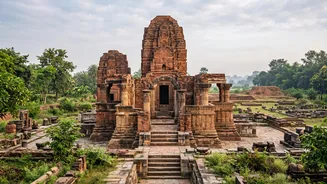
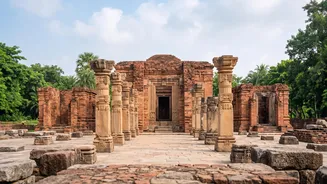
The first of the new entries is the Sirpur Cultural and Archaeological Landscape in Chhattisgarh. Located on the banks of the Mahanadi River, Sirpur, historically known as Shripura, was a flourishing capital city during the Sharabhapuriya and Panduvamshi dynasties. What makes Sirpur exceptional is its harmonious blend of Hindu, Buddhist, and Jain traditions co-existing in one area. The site is a sprawling complex of temples, monasteries, and archaeological remains that offer a unique window into the region's religious and architectural evolution from around the 6th to the 12th century CE. Key structures like the Pataleshwar Temple and the restored Bhima Kichak Temple showcase the incredible craftsmanship of the era, making it a significant centre of ancient Indian urban life.
Andaman's Volcanic Wonders
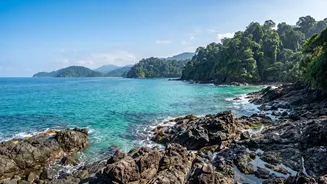
The Andaman and Nicobar Islands contribute two distinct geological sites to the list. The first is the Andaman Subduction Volcanoes, which includes Barren Island and Narcondam Island. Barren Island holds the title of South Asia's only confirmed active volcano, offering scientists a living laboratory to study volcanic processes. Narcondam, a dormant volcanic island, boasts its own unique ecosystem that has evolved in isolation. These islands are direct results of the Indian Plate subducting beneath the Burma microplate, a tectonic process that has shaped the entire archipelago and makes these sites geologically significant on a global scale.
The Mud Volcanoes of Baratang
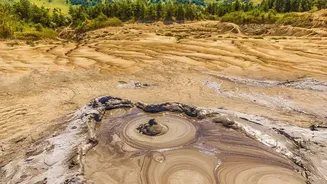
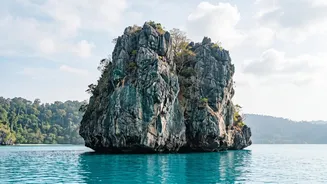
The second Andaman entry is the Karst-mud-volcano Complex of Baratang. This site is remarkable for a rare natural phenomenon: active mud volcanoes. Unlike typical volcanoes spewing lava, these structures erupt with a mixture of mud, water, and natural gases. These are considered seismically triggered, offering clues into the region's dynamic geology. The landscape is further defined by its karst topography, which includes extensive limestone caves formed over millions of years. This combination of active mud volcanism and intricate cave systems, set within a biodiverse tropical forest, makes Baratang a unique natural marvel that showcases ongoing geological evolution.