



Not Your Grandfather's Fruit Market
Forget quiet fruit stalls. Today's mango festivals, from Delhi to Bengaluru, are vibrant, multi-day events that blend agriculture with entertainment. Organizers are creating experiences that buzz with energy, attracting families and young adults alike.
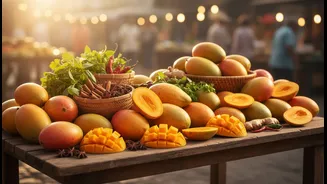
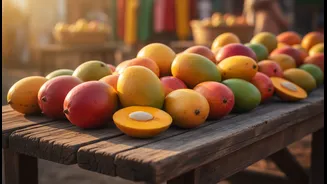
Imagine live music from Punjabi and Haryanvi artists, mango-eating competitions, and slogan-writing contests alongside the main event: a spectacular display of hundreds of mango varieties. These festivals often feature food courts with innovative mango-based dishes, craft bazaars, and even activities for children, transforming a simple market into a full-fledged cultural celebration. It's a conscious effort to make heritage accessible and, most importantly, fun.
A Delicious Bite of History
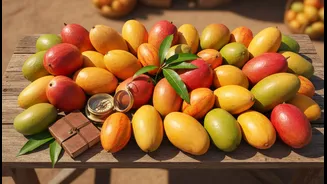
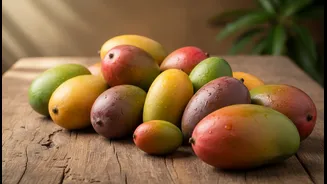
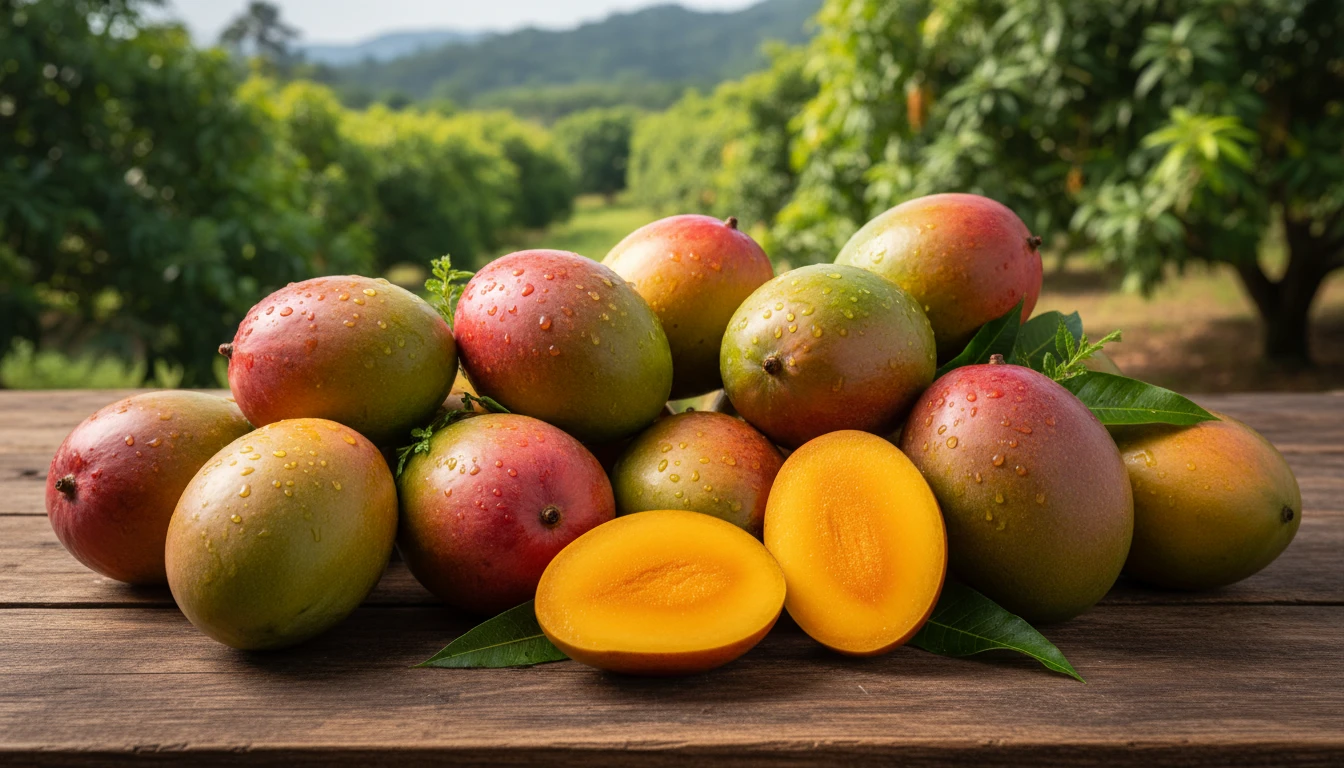
What exactly is "mango heritage"? It’s the story behind the fruit that has been cultivated in India for over 4,000 years. It's the legend of how the Langra mango got its name in Varanasi or how the Dasheri variety became the pride of Malihabad. It’s understanding that India is home to over 1,500 varieties, from the world-famous Alphonso to the tangy Banganapalli and the uniquely shaped Totapuri. This fruit is deeply woven into Indian culture, mentioned in ancient texts like the Ramayana and Mahabharata and celebrated by poets like Amir Khusrau. Festivals serve as living museums, where visitors can not only taste rare cultivars but also learn their history directly from the growers who have preserved these genetic lines for generations.
Speaking the Language of a New Generation
To capture the attention of a younger audience, festival organizers are getting creative. The Lucknow Farmers Market, for instance, promotes its annual event with offerings like an "Awadhi Experience" and events titled "Tango with Mangoes," directly inviting young enthusiasts. These festivals are highly Instagrammable, with colorful displays and unique activities providing perfect photo opportunities. Organizers collaborate with food bloggers and influencers to spread the word online, creating a digital buzz that translates into foot traffic. Events often include cooking demonstrations with modern twists on mango recipes, like salsas and cheesecakes, and open-mic sessions, blending traditional appreciation with contemporary interests. One attendee at a Delhi gathering noted how beautifully these events help young and old generations connect, promoting Indian culture in a fun and accessible way.
More Than a Festival: A Lifeline for Farmers
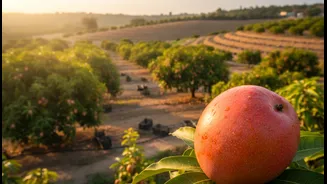
These festivals are also a critical platform for the farmers themselves. They provide a direct-to-consumer marketplace, allowing growers to fetch better prices and bypass middlemen. More importantly, it gives them a stage to share their passion and knowledge, connecting them with consumers who are increasingly curious about where their food comes from. By showcasing hundreds of varieties, including rare and heirloom ones, these events encourage agricultural biodiversity. They also promote agri-tourism, creating an additional income stream for farming communities and raising awareness about sustainable farming practices. For many growers, it’s a chance to carry on a family tradition, just as their parents did before them.