


The Social Pet Paradox
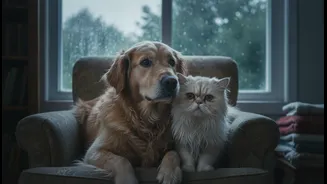
Your dog greets every guest with a wagging tail, and your cat loves to be the centre of attention during family gatherings. It’s easy to assume they thrive on constant interaction. While dogs and cats are social animals, they can also experience overstimulation.
Just like humans, continuous sensory input from noise, activity, and touch can become overwhelming. This sensory overload can lead to stress and anxiety, even in the most sociable pets. The key difference between excitement and overstimulation is a pet's inability to calm down on their own. Understanding their need for downtime is the first step toward a happier, more balanced companion.
Reading the Signs of Stress
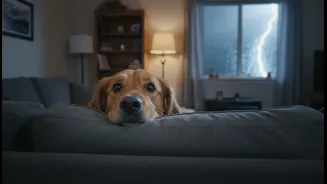
Pets can't tell us when they need a break, but they show us through their body language and behaviour. Signs of overstimulation in dogs include excessive panting (when not hot), dilated pupils, frantic 'zoomies', a tucked tail, or ears pinned back. They might become mouthy, jumpy, or unable to settle down. Similarly, a cat that is overwhelmed might hide, flatten its ears, groom excessively, or become irritable. Some pets might try to escape or hide, which is a clear signal that they are seeking relief from their current environment. Recognizing these subtle and not-so-subtle cues is crucial for intervening before their stress escalates.
What is a Quiet Retreat?
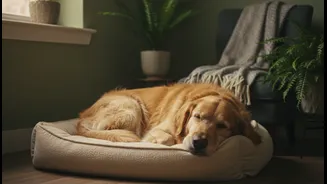
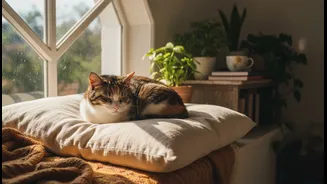
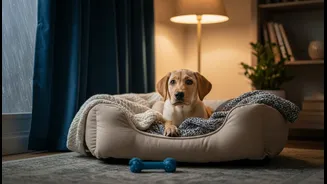
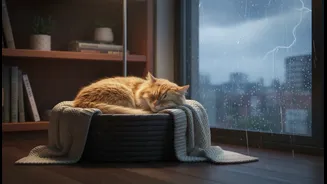
A quiet retreat is a personal, safe space where your pet can go to rest and feel secure, free from the household hustle and bustle. For a dog, this is often a crate, which taps into their natural denning instinct. For a cat, it could be a tall cat tree, a covered bed, or a shelf in a quiet room. The most important rule of this sanctuary is that it should never be used for punishment. It must always be a positive place associated with comfort and safety. This space belongs to them, giving them the choice and control to retreat when they feel the need to decompress.
How to Create Their Safe Haven
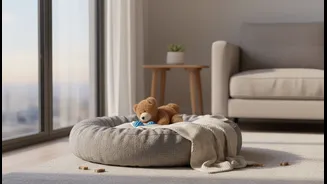
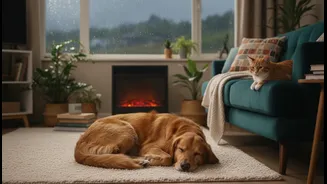
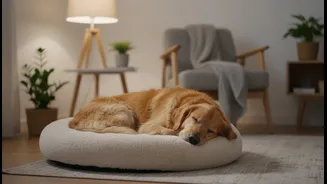
Creating this space is simple. First, choose a location that is away from high-traffic areas and loud noises. A corner of the living room or your home office could be perfect. For dogs, make the crate comfortable with soft bedding and a favourite toy. Leave the door open so they can come and go as they please. For cats, think vertically. A climbing tree in a quiet corner provides security and an observation post. You can also use pet-friendly furniture, like an ottoman with a built-in bed, or simply place a cosy bed in a secluded nook. Use positive reinforcement by giving them special treats or praise when they use their space calmly. The goal is to make it the best spot in the house from your pet's perspective.
The Benefits of Downtime
Respecting your pet’s need for alone time strengthens your bond and improves their overall well-being. A pet who knows they have a safe place to escape to is often more confident and less anxious. Providing structured downtime can reduce destructive behaviours that often stem from stress and overstimulation. It teaches pets, especially puppies, how to self-soothe and be independent, which is vital for preventing separation anxiety. Ultimately, a well-rested and emotionally balanced pet is a happier member of the family, ready to engage and play when they choose to, not because they feel they have to.