



Why Kyrgyzstan Is Calling
For a generation of Indian travellers raised on Himalayan adventures, Kyrgyzstan offers something both familiar and thrillingly new. It’s a land of epic landscapes, often called the 'Switzerland of Central Asia,' but without the hefty price tag. What's
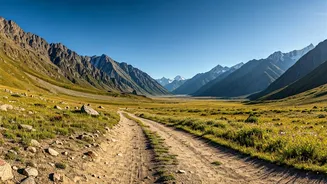
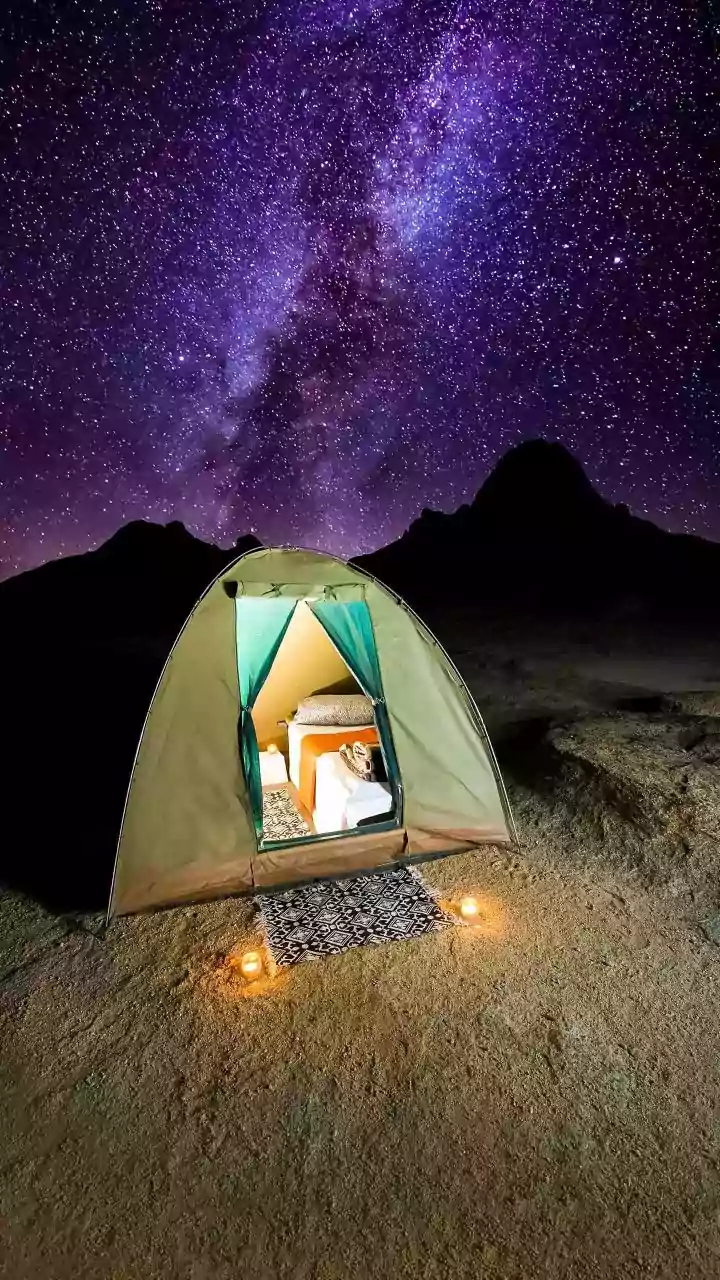
drawing the crowds? First, accessibility. Indian passport holders can easily obtain an e-visa, simplifying travel plans immensely. Second, affordability. From food to accommodation, the Kyrgyz Som offers incredible value, allowing for longer, more immersive trips. But most importantly, it’s the promise of raw, untamed nature. It's a place where you can ride horses across vast 'jailoos' (summer pastures), sleep under a blanket of stars, and disconnect in a way that’s increasingly rare.
The Yurt Stay Experience
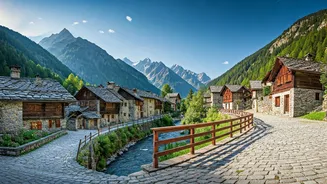
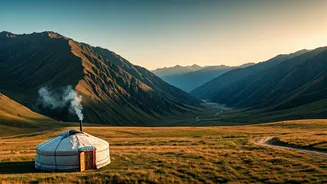
The heart of any Kyrgyz village adventure is staying in a traditional yurt. These felt-covered dwellings, iconic to Central Asian nomads, are surprisingly cozy and beautifully decorated with colourful textiles. Villages like Jyrgalan in the east or communities around the stunning Song-Kul lake offer networks of yurt camps, often run by local families through Community-Based Tourism (CBT) initiatives. This isn't just accommodation; it's a cultural immersion. Evenings are spent sharing stories over endless cups of tea, learning about a way of life that has endured for centuries. You’ll wake up to the sight of horses grazing outside your door and the crisp mountain air filling your lungs—a far cry from a standard hotel room.
Trekking Through Celestial Mountains
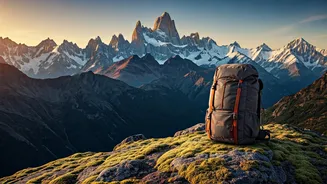
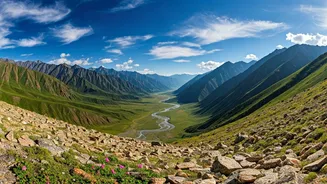
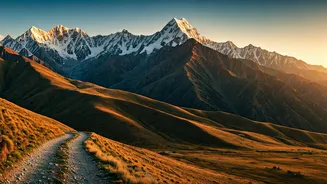
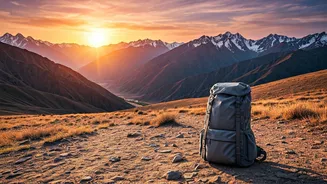
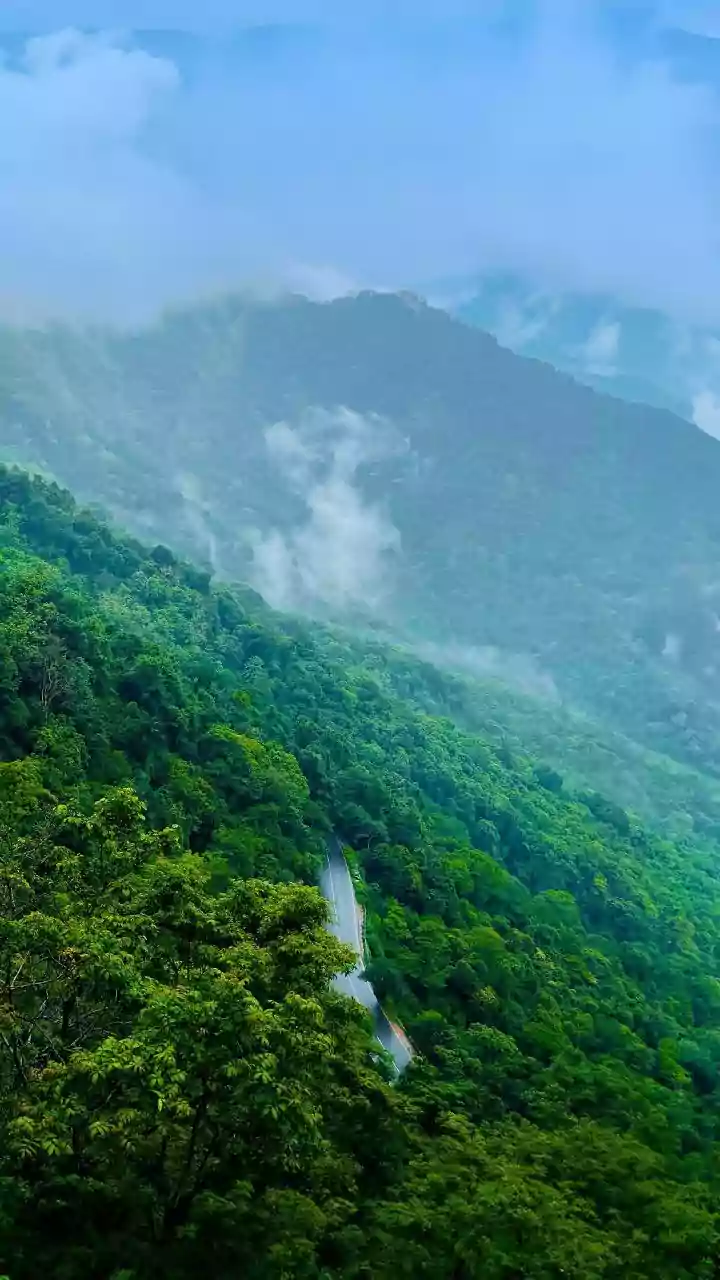
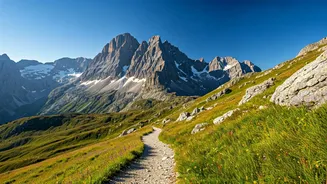
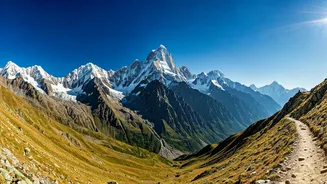
The Tian Shan mountains, which translate to 'Celestial Mountains,' form the backbone of Kyrgyzstan. For Indian trekkers, these ranges present a spectacular new playground. The trails here are less crowded than many popular routes back home, offering a profound sense of solitude and discovery. The multi-day trek to the turquoise Ala-Kul lake is a challenging but legendary route that rewards hikers with breathtaking alpine scenery. For those seeking shorter excursions, the valleys around Karakol and Arslanbob, home to the world's largest natural-growth walnut forest, provide countless day-hike opportunities. The landscape shifts from green meadows dotted with wildflowers to rugged, glacier-carved passes, ensuring every day on the trail is different.
A Taste of Nomadic Life
Kyrgyz food is hearty, simple, and perfectly suited to an active traveller's appetite. Don't expect a wide array of spices, but do expect flavourful, comforting meals. A staple you'll find everywhere is *lagman*, a dish of hand-pulled noodles served in a rich meat and vegetable broth. Another national dish is *beshbarmak*, traditionally eaten with the hands. In the villages, you'll be treated to fresh bread (*lepyoshka*), homemade jams from local berries, and *kumis* (fermented mare's milk), an acquired taste that is a quintessential part of the nomadic diet. Dining is a communal affair, and sharing a meal in a family home or yurt is a core part of the experience.
Practical Tips for Indian Travellers
Planning a trip is straightforward. The e-visa process for Indians is online and usually quick. The currency is the Kyrgyz Som (KGS); it's best to carry US dollars to exchange upon arrival in the capital, Bishkek. While credit cards are accepted in the city, remote villages operate almost entirely on cash. For connectivity, purchasing a local SIM card from providers like O! or Beeline is cheap and offers good data coverage in most towns, though you should expect to be offline in remote mountain camps. The best time to visit for trekking and exploring the highlands is from June to September when the weather is warm and most passes are clear of snow.