





Your Vehicle: The First Line of Defence
Before you even consider packing your bags, your car requires a complete inspection. Start with the tyres, which are your only point of contact with potentially treacherous roads. Ensure they have good tread depth to grip wet surfaces and are properly
inflated. Worn tyres significantly increase the risk of skidding on wet roads. Next, test your brakes. If you notice any unusual vibrations or increased stopping distances, have them inspected by a professional. Your wipers are your most important safety item in a downpour; replace the blades if they leave streaks or chatter across the glass. Finally, walk around your car and check that all lights are functioning correctly—headlights, brake lights, indicators, and especially fog lights, which are crucial in low-visibility conditions.
Plan Your Route with Weather in Mind
The shortest or most familiar route is not always the safest during the monsoon. Before you depart, check the latest weather forecasts from reliable sources like the India Meteorological Department (IMD). Pay close attention to district-level alerts for heavy rainfall, flooding, or landslides, and avoid travel if an orange or red alert has been issued for your planned route. It is also wise to check with locals or your hotel about current road conditions, as they often have the most up-to-date information. Always have a backup route in mind and download offline maps, as mobile connectivity can be unreliable in remote hilly regions. Driving at night is best avoided due to poor visibility and the higher risk of encountering fallen rocks or other obstructions.
Adopt Defensive Driving Techniques
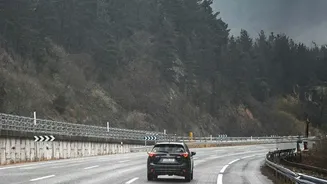
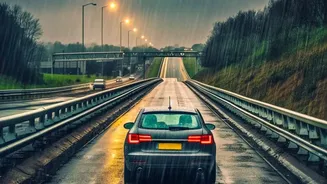
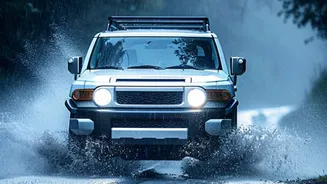
Wet and hilly roads demand your full attention. The most important rule is to reduce your speed to give yourself more time to react to hazards. Maintain a greater distance from the vehicle in front of you, as braking distances are longer on wet surfaces. Avoid any sudden movements, including sharp steering, sudden acceleration, or hard braking, as these can cause your vehicle to lose traction and skid. When descending steep slopes, shift to a lower gear to use engine braking. This helps prevent your brakes from overheating. If you drive through a waterlogged area, do so at a slow, steady speed and gently apply the brakes afterwards to help dry the components.
Be Alert for Nature's Warning Signs
Landslides are a significant danger when driving in the hills during monsoon. Be extremely vigilant for any warning signs, such as the sound of rumbling debris, small trickles of mud or falling rocks, or trees and fences that appear tilted at unusual angles. If you find your path is blocked by a landslide, the safest course of action is often to stay in your vehicle, provided it is in a stable position away from the immediate slide path. If you must evacuate, move to higher ground. In conditions of heavy fog or rain that severely limit visibility, it's safer to pull over at a wide, secure spot and wait for conditions to improve.
Pack a Monsoon-Specific Emergency Kit
Even with meticulous planning, the unexpected can happen. A well-stocked emergency kit is a must. Include a first-aid kit with essential medicines, bandages, and antiseptics. Pack non-perishable, high-energy snacks like nuts and protein bars, along with plenty of drinking water in case you get stranded. A powerful torch with extra batteries, a car tool kit, a spare tyre with a jack, and jumper cables are also essential. It's also wise to carry a power bank for your phone, waterproof bags to protect your electronics, and an umbrella or raincoats. These items can prove invaluable if you encounter trouble on the road.