


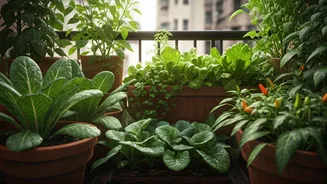


More Than Just a Hobby
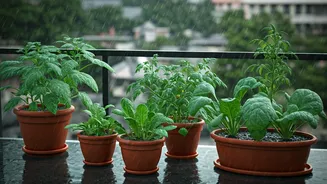
The idea of a kitchen garden is not new to India, but its modern, urban avatar is. Confined by apartment living, city dwellers are rediscovering the joy of growing their own food. This isn't just about aesthetics; it's a powerful response to modern urban life.
Concerns about pesticide-laden produce, the desire for hyper-fresh ingredients, and a growing need for a mental escape have converged. A balcony farm offers a tangible connection to nature, a de-stressing activity after a long day, and the immense satisfaction of harvesting something you grew yourself. It’s a small act of self-sufficiency that brings immense rewards, from the fragrance of fresh mint for your chai to the taste of a sun-ripened tomato in your salad.
Five Essential Plants to Start With
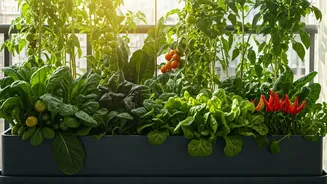
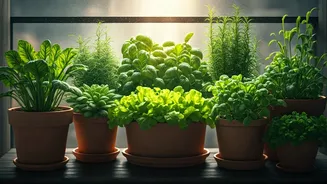
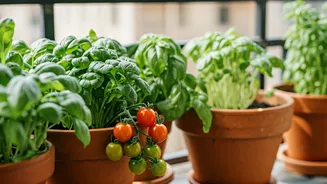
The key to a successful balcony farm is starting with plants that are forgiving and highly rewarding. Here are five champions for the Indian climate that thrive in pots:
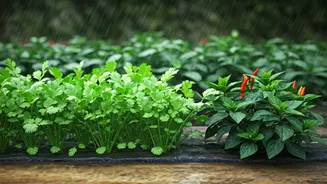
1. **Coriander (Dhaniya):** A staple in every Indian kitchen, dhaniya grows quickly from seeds. You can have a fresh supply for garnishing curries and chutneys in just a few weeks.
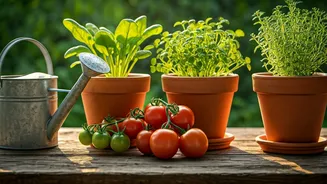
2. **Mint (Pudina):** Incredibly easy to grow. Just plant a few healthy stems from a bunch you bought, and it will take root and spread. Perfect for raitas, drinks, and chutneys.
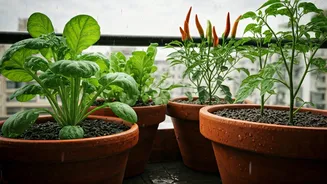
3. **Chillies (Mirchi):** A single, healthy chilli plant can provide a steady supply for your daily cooking needs. They love sunshine and come in numerous varieties, from mildly spicy to fiery hot.
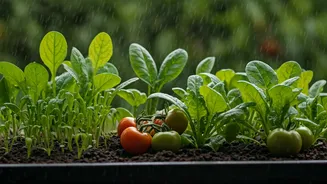
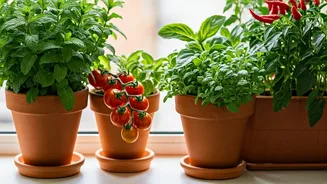
4. **Cherry Tomatoes (Tamatar):** While larger varieties need more space, cherry tomatoes are perfect for pots. They are prolific growers and the taste of a homegrown tomato is unparalleled.
5. **Spinach (Palak):** This leafy green grows quickly in relatively shallow containers. You can harvest the outer leaves continuously, and the plant will keep producing more.
The Right Foundation: Pots and Soil
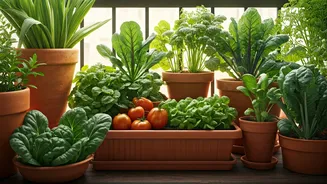
Your success begins with the basics. Don't be intimidated; it’s simpler than it sounds. For pots, you can use anything from traditional terracotta (matka) pots, which are great for breathability, to recycled plastic containers or grow bags. The single most important rule is drainage. Ensure every pot has holes at the bottom to prevent waterlogging, which can kill your plants. For soil, a standard potting mix is your best bet. A good mix typically contains soil, cocopeat (for moisture retention), and compost or vermicompost (for nutrients). You can buy pre-mixed bags from a local nursery or online, which takes the guesswork out of it for beginners.
Sunlight and Water: The Golden Rules
Before you buy a single seed, observe your balcony. How many hours of direct sunlight does it get? Most vegetable plants, like tomatoes and chillies, need at least 5-6 hours of direct sun. Herbs like mint and coriander can manage with less, around 3-4 hours. Position your sun-loving plants in the brightest spots. Watering is the next crucial step. The 'touch test' is your best guide: stick your finger an inch into the soil. If it feels dry, it's time to water. If it's damp, wait another day. It's better to water deeply and less frequently than to sprinkle a little every day. In the peak of summer, you may need to water daily, but always check the soil first.
Creating a Sustainable Ecosystem
As your confidence grows, you can make your balcony farm even more sustainable. Instead of chemical pesticides, a simple spray of neem oil mixed with water and a drop of liquid soap can keep most common pests at bay. You can also start a small compost bin to turn your kitchen scraps—like vegetable peels and tea leaves—into nutrient-rich 'black gold' for your plants. This closes the loop, reducing waste and providing free, high-quality fertiliser. Your balcony doesn't just become a place to grow food; it becomes a tiny, thriving ecosystem in the heart of the city.