

The Science of the Spread
The frustration of unevenly heated food, especially from a microwave, is rooted in physics. Microwaves don't heat food uniformly; they create a pattern of hot and cold spots. When food is piled in the center of a plate, the outer edges get blasted with
energy while the dense middle remains shielded and cool. Spreading food into a single, even layer increases the surface area exposed to heat, whether it's microwaves, hot air in an oven, or the hot surface of a pan. This simple act allows heat to penetrate more evenly from all sides, ensuring a consistent temperature throughout and a much more enjoyable meal.
Mastering the Microwave Donut
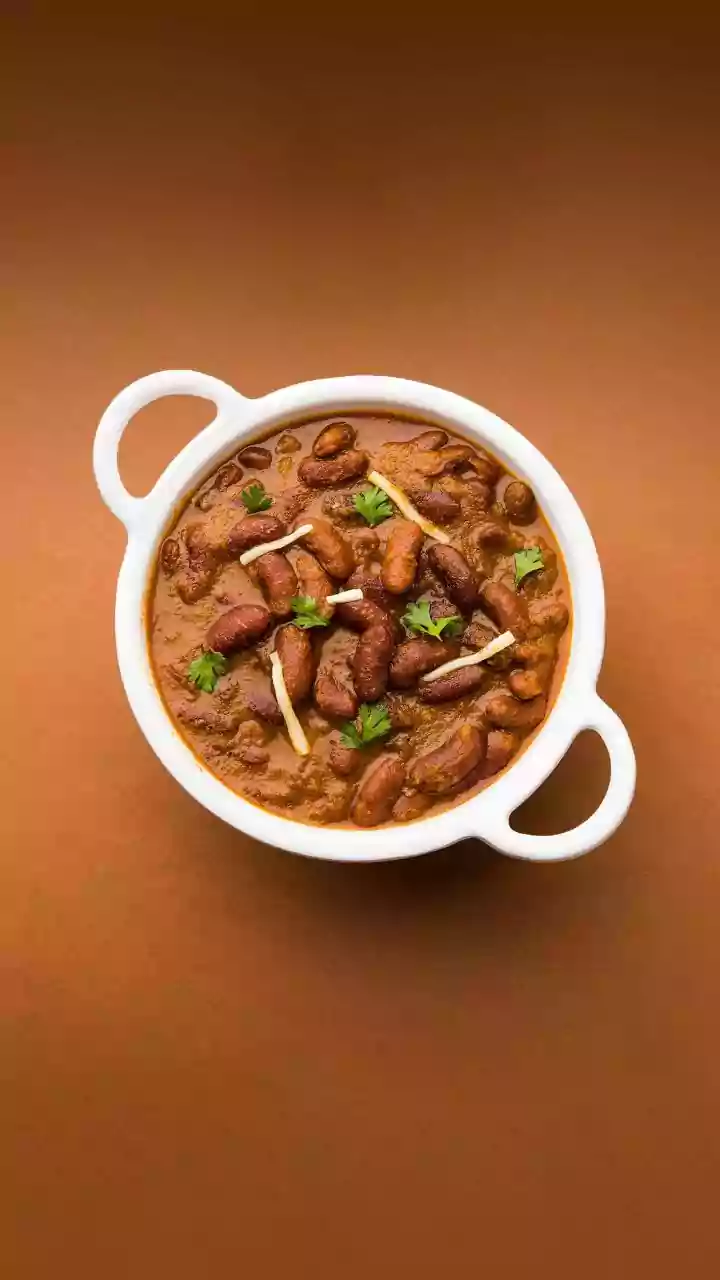
For microwave reheating, the most effective technique is arranging your food in a ring or donut shape on the plate, leaving the center empty. This simple trick allows the microwaves to hit the food from more angles, cooking it more evenly and preventing the classic cold-center problem. For foods that can be stirred, like dal or a sabzi, pausing halfway through the heating time to give it a good stir serves the same purpose, redistributing the hot and cold spots. It's also helpful to cover the dish with a microwave-safe lid or a damp paper towel to trap steam, which promotes moist, even heating and prevents splatters.
Oven and Toaster Oven Techniques
When you have a little more time, the oven is your best friend for reheating foods that were originally baked or fried, like pizza, roasted vegetables, or fried chicken. The key here is, again, to spread everything in a single layer on a baking sheet. Overlapping or crowding the pan will cause food to steam rather than crisp up. A moderate temperature, around 175°C (350°F), is generally best to heat the food through without drying it out. Covering the dish with foil for the initial part of reheating can help retain moisture, then you can remove it for the last few minutes to bring back any lost crispiness.
Success on the Stovetop
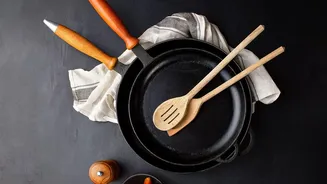
The stovetop is ideal for reheating liquids like soups and sauces, as well as dishes like stir-fries or pasta. Using a pan that is wide enough to hold the food in a relatively shallow layer allows for quicker, more even heating. Constant or frequent stirring is the stovetop equivalent of spreading food out; it ensures that every part of the dish comes into contact with the hot surface of the pan. For dishes that have dried out a bit in the fridge, adding a splash of water, broth, or milk can help restore their original consistency and prevent scorching.
Air Fryer Finesse
Air fryers are essentially small, powerful convection ovens that excel at making leftovers crispy again. They work by circulating hot air at high speed, which makes arranging food in a single, uncrowded layer absolutely critical. If you pile French fries, samosas, or chicken wings on top of each other, the air can't circulate properly, and you'll end up with a mix of soggy and burnt pieces. For the best results, work in batches if necessary, ensuring there is plenty of space around each item. A quick shake of the basket halfway through the reheating process also helps ensure all sides get beautifully crisped.