



The July Advantage: Riding into the Rain Shadow
July is a magical time for a road trip, primarily because both Ladakh and Spiti Valley are located in a rain-shadow zone. The towering Himalayan ranges block most of the monsoon clouds, resulting in clear blue skies and pleasant daytime temperatures perfect
for riding and sightseeing. By July, the winter snow has melted from the high passes, opening up the legendary road circuits that remain closed for most of the year. This makes it the peak season for accessibility, allowing travellers to experience these remote landscapes in their full summer glory. While the valleys themselves stay dry, it is important to remember that the approach roads, particularly through lower Himachal and Kashmir, can experience monsoon showers and potential landslides, so buffer days in your itinerary are always a wise decision.
Ladakh: The Land of High Passes and Vast Vistas
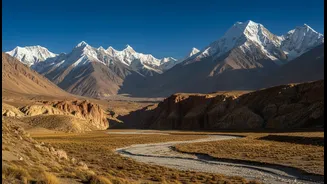
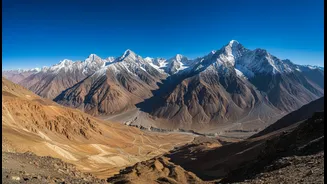
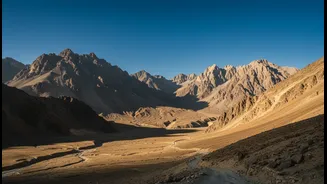
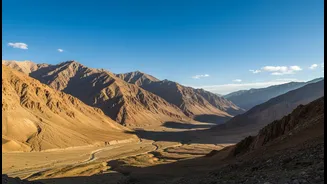
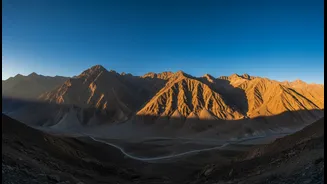
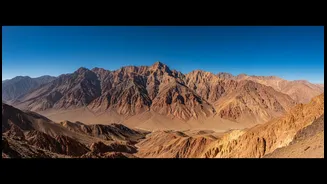
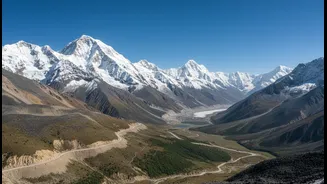
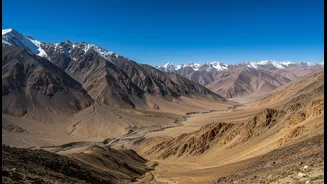
A road trip to Ladakh is a bucket-list item for many, and for good reason. The journey, whether via the classic Manali-Leh Highway or the scenic Srinagar-Leh Highway, is an adventure in itself, crossing some of the world's highest motorable passes. July is an ideal time as the roads are in their best condition of the year. The landscapes are on a grand, cinematic scale: vast, barren plains, dramatic canyons, and stunning turquoise lakes like Pangong Tso and Tso Moriri. The tourist infrastructure in Ladakh is well-developed, with a wide range of hotels and guesthouses, especially in the main hub of Leh. This makes it a more comfortable and accessible option, particularly for first-time high-altitude travellers or those on a tighter schedule who can fly into Leh to acclimatise before exploring.
Spiti: A Journey into the Raw and Remote Middle Land
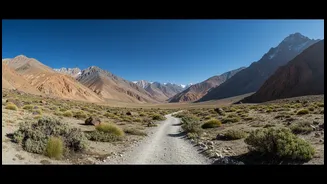
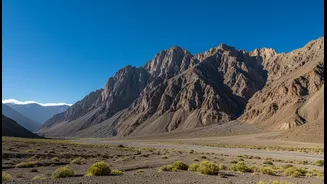
If Ladakh is a blockbuster epic, Spiti Valley is an intimate and profound indie film. Known as 'The Middle Land' due to its location between India and Tibet, Spiti offers a rawer, more rugged adventure. The journey is typically undertaken via two routes: the longer, more gradual ascent from Shimla via Kinnaur, or the shorter, more challenging route from Manali via Kunzum Pass. The Shimla route is often recommended as it stays open for more of the year and allows for better acclimatisation. Spiti’s landscape is stark and mesmerising, with ancient monasteries like Key and Tabo clinging precariously to cliffs, and tiny, ancient villages like Komic and Hikkim offering a glimpse into a resilient way of life. The experience is less about ticking off sights and more about immersing yourself in the quiet, meditative solitude of the valley.
The Head-to-Head: Choosing Your Himalayan Adventure
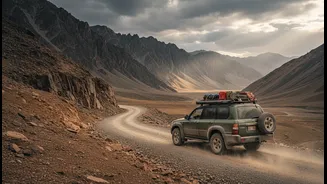
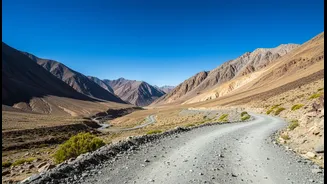
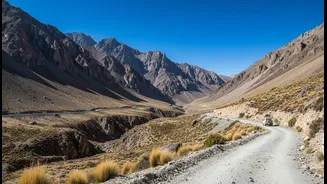
So, how do you choose between the two? It comes down to your travel style and what you seek from the journey. Road Conditions and Difficulty: Ladakh's main arteries, like the Manali-Leh highway, are generally better paved and maintained, making it a smoother ride. Spiti's circuit, especially the stretch from Manali to Kaza, is notoriously rough and features challenging water crossings, demanding more from both rider and machine. Crowds and Vibe: Ladakh in July is bustling. It's a social, energetic atmosphere, but you will be sharing the road and popular spots with many other travellers. Spiti remains significantly quieter and less commercialised, offering a more personal and introspective experience. Cost and Accommodation: A trip to Spiti is generally lighter on the wallet, with a culture of homestays providing affordable and authentic lodging. Ladakh has a wider range of options, from budget guesthouses to luxury hotels, but is generally the more expensive destination. Permits: For Indian citizens, the permit process for both regions is now streamlined. For Ladakh, you pay an environment fee online before your trip. For Spiti, no special permit is needed, though you will register at checkpoints along the way.