




1. Ignoring Weather and Safety Alerts
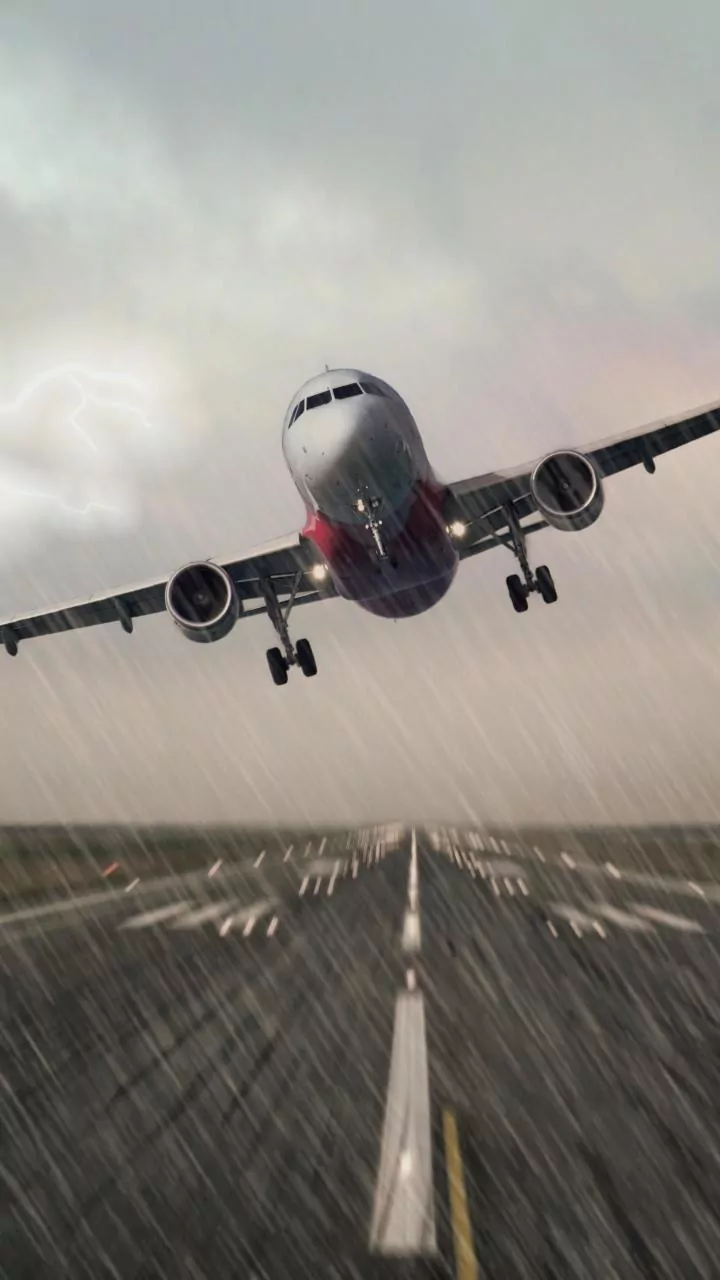
The most fundamental error is treating the monsoon as just a little rain. It can bring unpredictable and severe weather, including flash floods and landslides. Before and during your trip, actively check official weather forecasts and local alerts. Many
travel disruptions stem from ignoring warnings about heavy rainfall or road closures. A beautiful drive can become treacherous within hours. Always check conditions along your planned route before heading out for the day.
2. Choosing a Risky Destination
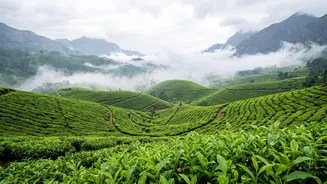
Not all destinations are created equal during the rainy season. While places like Munnar, Coorg, Lonavala, and Udaipur are often highlighted as beautiful and relatively safe monsoon getaways, others can be hazardous. Avoid areas notorious for landslides or regions where a single road or ferry is the only connection to the outside world. Some national parks and trekking routes may be closed, and beach destinations might offer limited activities. Research your chosen spot thoroughly for monsoon-specific conditions and have a backup plan.
3. Packing the Wrong Clothes and Footwear
Many travellers simply add an umbrella to their usual packing list. This is a mistake. Strong monsoon winds can make umbrellas unreliable. Instead, prioritise a good quality, lightweight raincoat. More importantly, choose the right fabrics. Cotton and denim are poor choices as they take a long time to dry. Opt for synthetic, quick-dry clothes like polyester and nylon. For footwear, pack waterproof sandals or floaters with a strong grip to navigate slippery surfaces, not heavy boots or absorbent sneakers.
4. Forgetting About Vehicle Preparedness
If you're planning a road trip, assuming your car is ready for the journey is a serious gamble. Wet roads significantly reduce tyre traction and increase braking distance. Before you leave, get your vehicle serviced. Pay special attention to the condition of your tyres, brakes, and windscreen wipers. Ensure your headlights are working, and use the low-beam setting during heavy rain to remain visible without blinding other drivers. It's also wise to start with a full tank of fuel and identify alternative routes in case of blockages.
5. Neglecting Health and Hygiene
The monsoon season is a breeding ground for mosquitoes and water-borne diseases. A common oversight is not taking adequate health precautions. Always carry a strong insect repellent to protect against dengue and malaria. Be cautious about food and water; avoid street food, especially raw items, as the high humidity encourages bacterial growth. Stick to bottled or boiled water and eat at hygienic establishments. A basic first-aid kit with antiseptic wipes, bandages, and any personal medications is also essential.
6. Having a Rigid Itinerary
One of the biggest mistakes is creating a packed, inflexible schedule. Monsoon weather is unpredictable, and delays are common. Roads can get blocked, ferries cancelled, and sightseeing spots might close with little warning. Trying to stick to a pre-booked plan despite poor conditions is not only stressful but can be dangerous. The key to a successful monsoon trip is flexibility. Build buffer time into your itinerary and be prepared to change your plans. Think of it less as a disruption and more as part of the monsoon adventure.
7. Not Waterproofing Your Valuables
In the digital age, this mistake can be costly. A sudden downpour can ruin your smartphone, camera, and other electronics. Simply putting them in a regular backpack isn't enough. Use waterproof bags, dry sacks, or even simple ziplock pouches for your phone, passport, wallet, and any medications. It’s also a good idea to carry a fully charged power bank, as power cuts can be more frequent during this season. Keep a dry change of clothes easily accessible in a separate waterproof bag.