




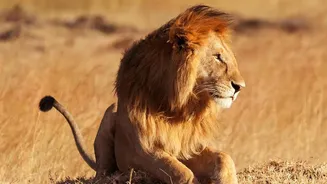
The Need for a Second Home
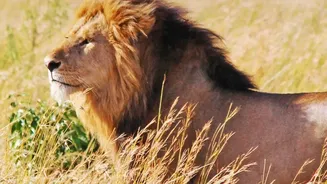
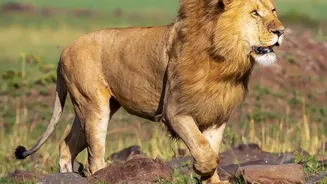
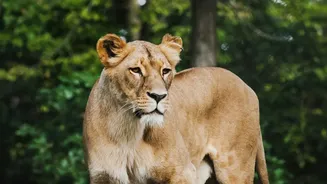
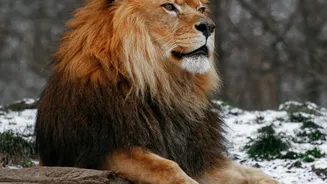
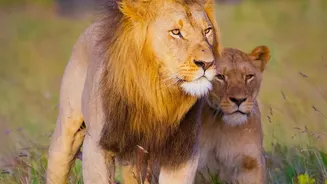
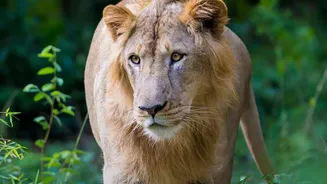
The conservation of the Asiatic lion is one of India's greatest success stories, with the population growing from near extinction to over 674 by 2020. This entire population, however, is concentrated in and around Gir National Park. Conservation experts
have long warned about the dangers of this 'all eggs in one basket' scenario. A single catastrophic event, such as a disease outbreak like the canine distemper virus that affected the population in the past, or a natural disaster, could devastate the species. To mitigate this risk, establishing a geographically separate, self-sustaining population has been a long-standing priority. This ensures the long-term survival of this magnificent animal, which is a key part of India's natural heritage.
Why Barda Was Chosen
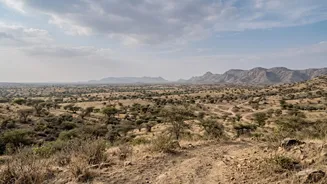
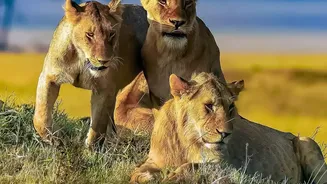
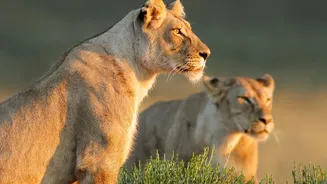
Located about 100 kilometres from Gir, the Barda Wildlife Sanctuary has been identified as a promising second home for the lions. Covering 192.31 square kilometres in the Porbandar and Devbhumi Dwarka districts, the sanctuary has a rugged terrain of hills, forests, and grasslands that share similarities with the Gir landscape. Crucially, lions historically roamed this area until they were locally extinct by 1879. The idea to redevelop Barda for lions dates back decades, but gained momentum in January 2023 when a male lion naturally dispersed from Gir and walked into the sanctuary, proving the existence of a natural corridor. Following this, the Gujarat Forest Department translocated five females to establish a new population, officially designating Barda as a 'Satellite Population 8' under the national 'Project Lion' initiative.
Preparing the Sanctuary for Lions
Making Barda a viable long-term habitat requires significant preparation, primarily focused on ensuring a sufficient food source for the predators. A recent study noted that the wild prey base was initially low, with lions relying heavily on wild pigs and some domestic cattle. To address this, the Forest Department has undertaken a massive prey augmentation programme. This involves captive breeding and the translocation of hundreds of herbivores. Since 2007, hundreds of spotted deer (chital) and sambar have been released into the sanctuary. In 2025-26 alone, 441 chitals were moved from Gir to Barda using the gentle 'Boma' capture technique to bolster the prey population and reduce the chances of human-lion conflict.
A Growing Pride and Future Challenges
The efforts are already showing remarkable success. As of October 2026, the Barda lion population has grown to 17 individuals, including six adults and eleven cubs born in the sanctuary. To monitor their health and adaptation, researchers have radio-collared six of the lions, gathering extensive data on their movements, habitat use, and social structures. This scientific monitoring is essential for understanding their needs and managing the sanctuary effectively. However, challenges remain. The sanctuary's size is relatively small, and ensuring peaceful coexistence with the local Maldhari, Gadhvi, and Rabari communities is paramount. Proactive management to mitigate human-animal conflict, continue habitat restoration, and maintain a robust prey base will be critical for Barda's long-term success.