





An Unprecedented Order Boom
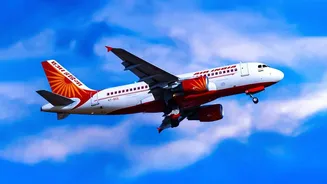
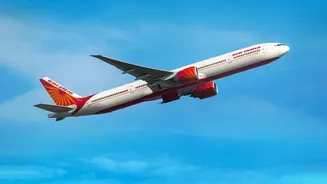
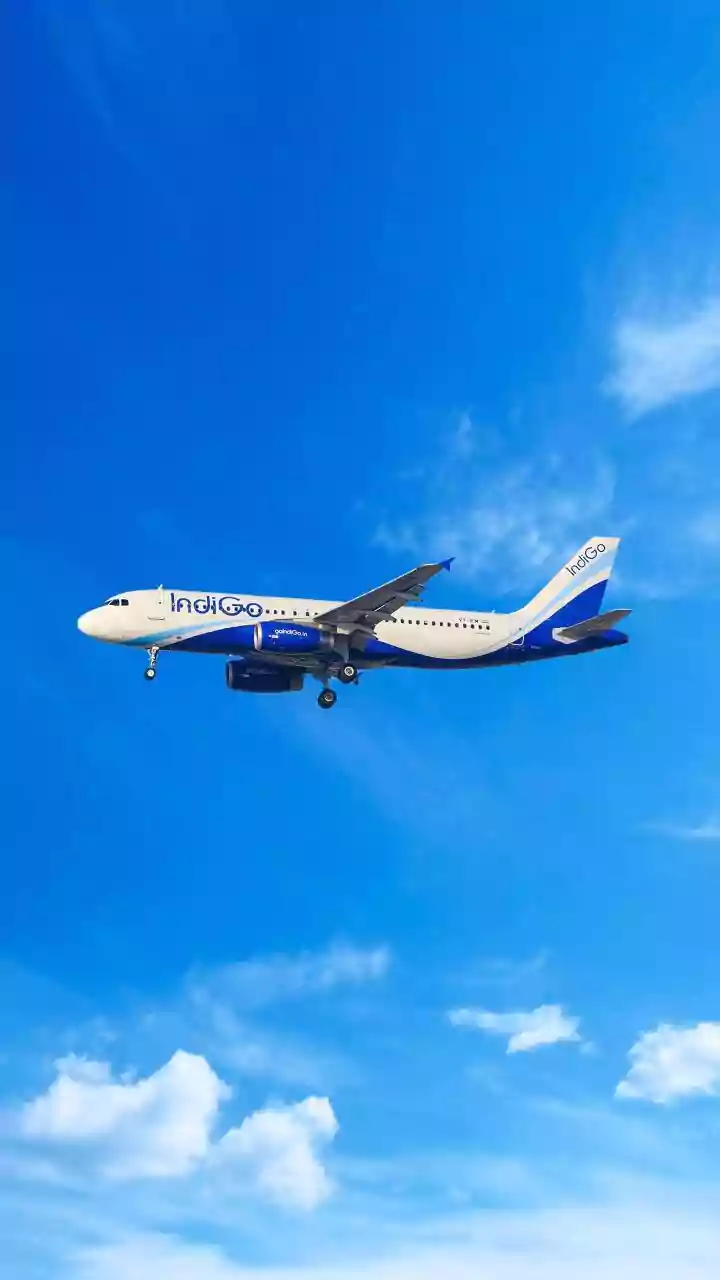
Indian carriers are on a historic aircraft buying spree. In recent years, airlines like IndiGo, Air India, and Akasa Air have collectively ordered well over 1,700 new planes from global giants Airbus and Boeing. IndiGo alone made history in 2023 by placing
a single order for 500 Airbus A320neo family aircraft. Not to be outdone, the revitalised Air India placed a massive 470-aircraft order with both manufacturers. This surge in orders reflects the immense confidence in the future of Indian air travel, which is projected to be one of the fastest-growing markets globally. Government officials have even stated that India needs over 2,000 aircraft in total and is prepared to order another 1,000 planes to meet the rising demand.
Global Manufacturing Can't Keep Up
The problem is that an order is not the same as a delivery. Both Airbus and Boeing are facing significant production backlogs and supply chain disruptions that began during the pandemic and persist today. Shortages of raw materials, essential components, and skilled labour have slowed down manufacturing lines worldwide. This means Indian airlines are facing long waits, with some delivery schedules stretching as far as 2034. The issue is not unique to India; globally, there are pending orders for 17,000 to 18,000 aircraft, but manufacturers are struggling to ramp up production to pre-pandemic levels. This global bottleneck directly impacts Indian carriers' ability to expand their services to match passenger growth.
The Engine Problem Grounding Fleets
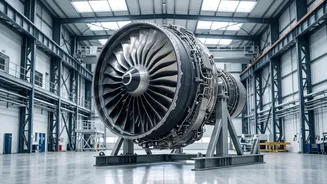
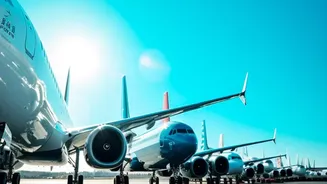
Compounding the delivery delays is a more immediate crisis: engine troubles. A significant number of aircraft, particularly in IndiGo's fleet, have been grounded due to issues with Pratt & Whitney (P&W) engines on the Airbus A320neo family. A widespread manufacturing flaw involving 'powder metal contamination' has forced P&W to recall hundreds of engines globally for inspections and repairs, leading to a higher number of aircraft sitting idle on the ground. At one point, nearly 50 of IndiGo's planes were grounded for want of P&W engines. While P&W has been working to resolve the issue, with promises of engine replacements, the problem has significantly hampered airline capacity and forced carriers to lease older, less efficient aircraft at high costs.
A Gap in Local Maintenance Capacity
Another pressure point is the shortage of Maintenance, Repair, and Overhaul (MRO) facilities within India. Historically, Indian airlines have had to send their aircraft overseas for major C and D checks and complex engine overhauls. This reliance on foreign MROs not only increases costs and turnaround times but also exposes airlines to geopolitical risks that can disrupt maintenance schedules. While India's MRO market is growing, with an estimated opportunity of over USD 4 billion by 2031, the current capacity has not kept pace with the rapid fleet expansion. Recognizing this gap, major airlines like Air India and IndiGo are now investing heavily in building their own domestic MRO capabilities to become more self-reliant.
The Impact on Airlines and Travelers
For airlines, this aircraft shortage creates a perfect storm. They are unable to fully capitalise on the booming passenger demand. They are forced to operate older aircraft with higher maintenance costs and wet-lease planes at premium rates, squeezing their profits. For passengers, the consequences are tangible. Fewer available aircraft can lead to limited flight choices, frequent cancellations, and potentially higher airfares, especially on routes with less competition. In some instances, a minor technical glitch on one aircraft can disrupt an entire flight schedule due to the lack of spare planes. This pressure on capacity threatens to slow the very growth that the massive aircraft orders were meant to serve.