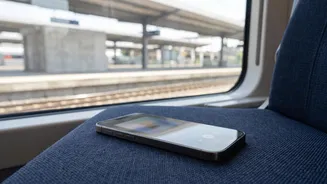




The Daily Disruption of Digital Noise
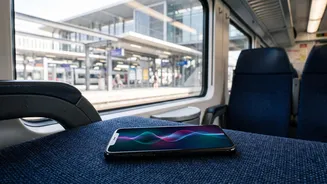
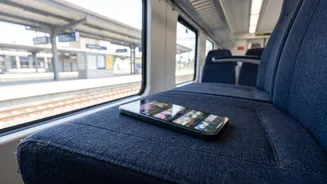
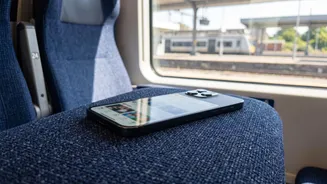
The widespread availability of high-speed mobile data has transformed the daily commute, but not always for the better. In trains and at stations across India, a common source of conflict has emerged: passengers playing videos, music, or talking on their
phones via loudspeaker. This behaviour, often dubbed 'digital nuisance', creates a disruptive and stressful environment for fellow travellers. In the enclosed spaces of a train coach, particularly air-conditioned compartments, the noise can be especially intrusive, affecting those who wish to rest, read, or simply travel in peace. The issue has led to a surge in passenger complaints through official channels like the Rail Madad grievance system, prompting authorities to take a closer look at enforcement.
What Do The Current Rules Say?
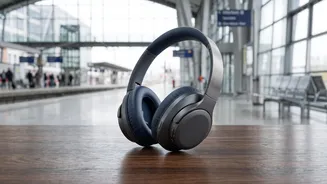
For years, causing a nuisance on railway property has been an offence under the Railways Act of 1989. Specifically, Section 145 deals with drunkenness or nuisance, stating that anyone who creates a disturbance or uses obscene language can be penalised. However, applying this general rule to the specific issue of phone speakers was often difficult. More recently, Indian Railways has issued direct appeals for 'digital etiquette', advising passengers to use headphones and observe 'Quiet Hours' between 10 pm and 6 am. The game-changer, however, has been the Jan Vishwas (Amendment of Provisions) Act, 2026, which has given authorities stronger legal backing to tackle this specific problem head-on.
A Crackdown With Real Consequences
Under the newly strengthened rules, the penalties for creating a nuisance have become much clearer and more severe. Spurred by a directive from Southern Railway in October 2026, which is being adopted by other zones, the consequences are no longer just a suggestion. A first-time offender caught playing media on a loudspeaker or having an excessively loud conversation can now face a fine of up to ₹1,000. In addition to the fine, the offending passenger can be removed from the train or railway premises and may have to forfeit their ticket. Authorised personnel, including Ticket Examiners (TTEs) and other commercial staff, have been empowered to impose these fines on the spot.
Tougher Penalties for Repeat Offenders
The new enforcement drive specifically targets those who refuse to comply. The headline-grabbing penalties are reserved for repeat offenders. If a passenger continues to cause a disturbance after being warned by an authorised railway employee, the consequences escalate significantly. Under the amended act, such defiance can lead to simple imprisonment for up to six months, a fine of up to ₹5,000, or both. This two-tiered approach aims to first correct the behaviour with a warning and initial fine, but reserves a much harsher punishment for those who wilfully ignore the rules and the comfort of their fellow passengers.
Spreading Awareness and Ensuring Compliance
Authorities recognise that enforcement alone isn't enough. Railway zones are launching awareness campaigns to educate the public about the new rules. This includes making regular announcements over public address systems at stations and inside trains in English, Hindi, and regional languages. Additionally, notices and warning stickers are being placed inside coaches to serve as constant reminders. Metro systems in cities like Delhi and Chennai are also taking action, with provisions to penalise passengers under their own Operations & Maintenance acts for creating a nuisance. The goal is to foster a culture of mutual respect, where using headphones is understood as basic travel etiquette, not just a rule to be followed when an official is watching.