

A Blueprint for Two Worlds
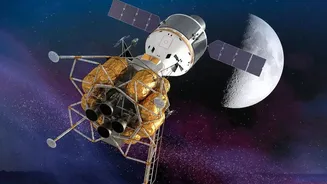
NASA's 'Moon to Mars' strategy is an ambitious, multi-stage roadmap for deep space exploration. The core idea is that living and working on the Moon, a mere three-day trip from Earth, is the perfect dress rehearsal for a six-month journey to the Red Planet.
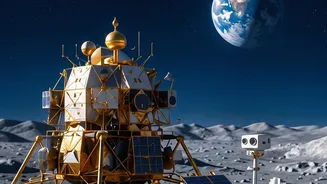
The Moon offers a relatively close, yet incredibly hostile, environment to test the technologies and strategies needed for long-duration missions far from home. Every problem solved on the lunar surface—from generating power to protecting astronauts—is a lesson learned for Mars. The agency plans to build up its capabilities over time, starting with robotic missions and progressing to longer human stays, all with the ultimate goal of preparing for the first crewed mission to Mars.
Searching for Shelter and Resources
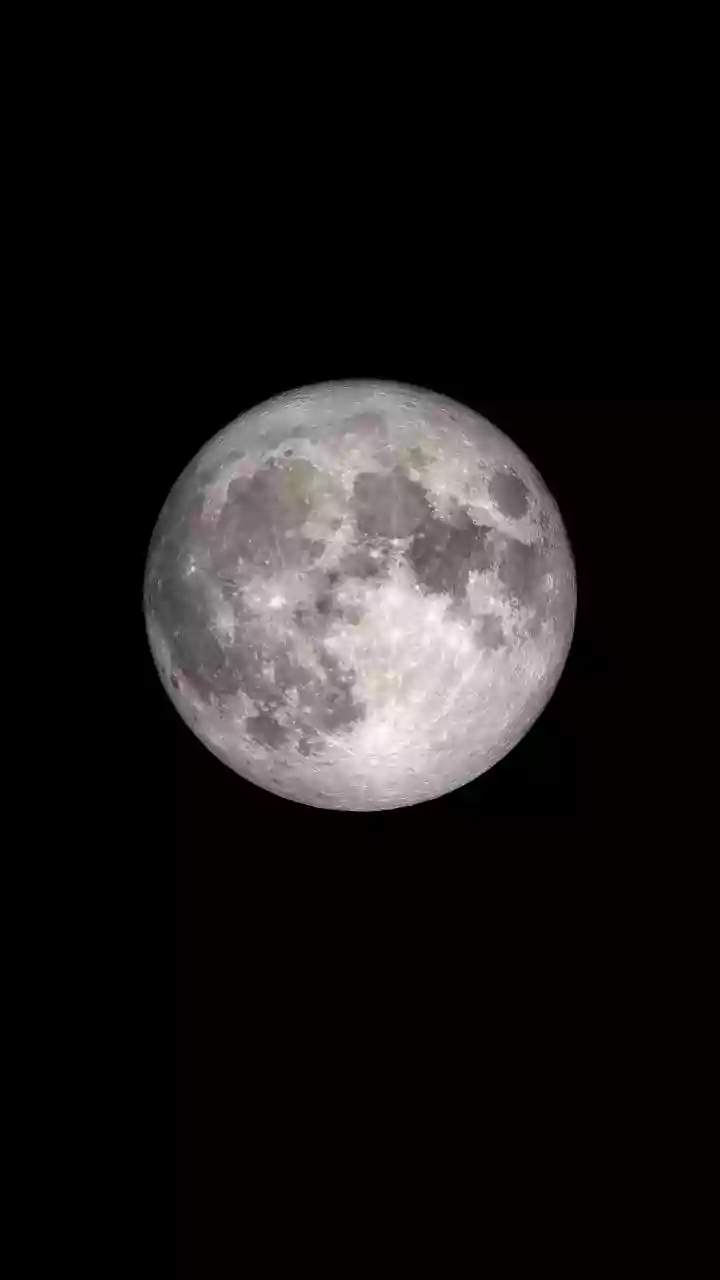
To live on the Moon, astronauts will need protection from extreme temperatures, radiation, and micrometeoroid impacts. Instead of building everything from scratch, one of NASA's newly selected investigations, the Geophysical Instruments for Marius Lunar pit Investigation (GIMLI), will explore whether natural shelters already exist. Using ground-penetrating radar, this payload will peer beneath the surface at a feature called the Marius Hills Pit to see if it leads to a large, stable lava tube. Such subterranean caves could provide ready-made shielding, dramatically altering plans for long-term habitats. Another key study, the Distribution of Ice and Surface Characteristics Observatory (DISCO), will hunt for water ice hidden in the Moon's permanently shadowed craters. Finding accessible water is critical; it can be converted into drinking water, breathable oxygen, and even rocket fuel, which would drastically reduce the need for costly supply missions from Earth.
Monitoring a Hostile Environment
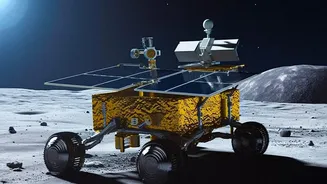
The lunar surface is not a friendly place. It lacks Earth's protective atmosphere and magnetic field, leaving it exposed to a constant barrage of cosmic rays and solar radiation. Temperatures swing wildly from scorching heat to deep, freezing cold. And then there's the dust. Lunar regolith is not like sand on an Earth beach; it's made of tiny, sharp, glass-like particles that are electrostatically charged, clinging to everything and posing a serious health risk to astronauts and a threat to equipment. The third major investigation, the Lunar Environment Monitoring Station – South Pole (LEMS-SP), is designed to be a long-term weather station for this harsh world. It will monitor seismic activity, track incoming micrometeoroids, and measure the presence of volatile gases, providing crucial data to keep future astronauts and their equipment safe.
From Lunar Proving Ground to Martian Homestead
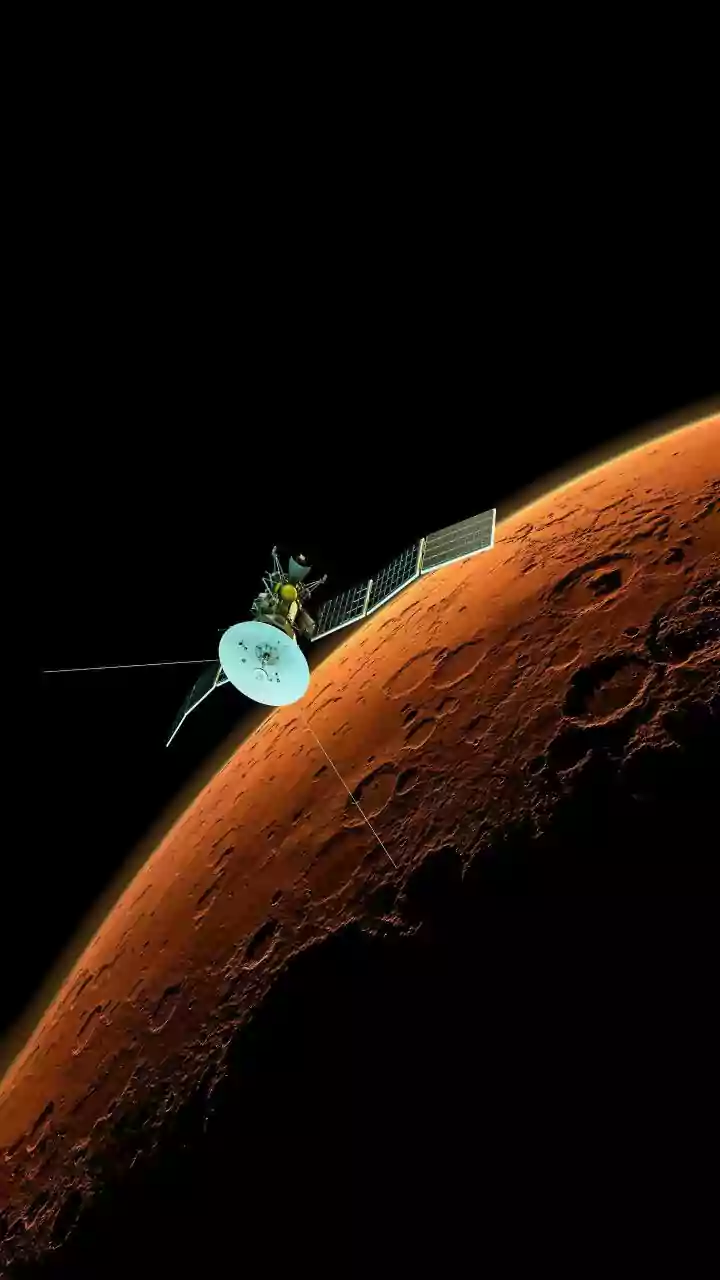
Every challenge tackled on the Moon directly translates to a problem solved for Mars. The technologies developed for lunar power grids, which must survive the two-week-long, intensely cold lunar night, will be essential for powering a Martian colony. Techniques for extracting water ice from lunar craters could be adapted to harvest resources on Mars. The data gathered on the long-term health effects of living in one-sixth gravity and high radiation will inform how we protect astronauts on an even longer journey and stay on another planet. By using the Moon to test life support systems, rovers, habitats, and resource utilisation techniques, NASA can refine its systems in a high-stakes environment where help, if needed, is still within reach. In essence, successfully building and operating a base on the Moon proves the concept. If humanity can't learn to live sustainably in our own cosmic backyard, the dream of reaching Mars remains just that—a dream.