







A New Pilgrimage for the Palate
For generations, the Rath Yatra, or the Chariot Festival of Lord Jagannath, has been one of India’s most significant spiritual gatherings, drawing millions to Puri in Odisha. But in recent years, a parallel attraction has emerged, one that engages the senses
in a different but equally profound way. Modern travellers, seeking more than just sightseeing, are discovering that the festival offers one of the country's richest and most unique culinary experiences. These informal 'food trails' aren't official tours but a natural outcome of a festival where food is deeply intertwined with ritual and celebration. For these new pilgrims, the path to cultural immersion is paved with delicious, time-honoured delicacies.
The Epicentre: Puri’s Street-Side Feasts
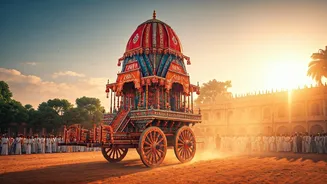
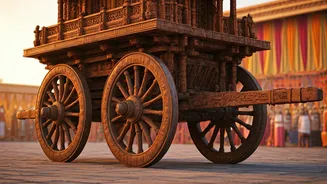
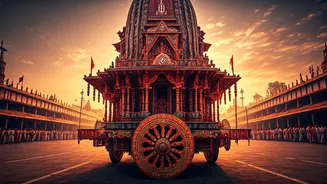
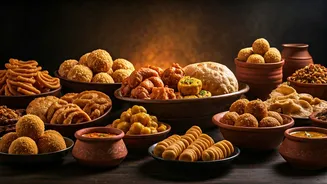
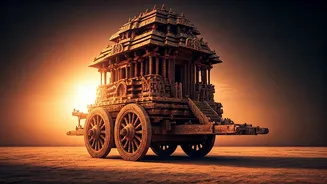
As the chariots of Lord Jagannath, Lord Balabhadra, and Devi Subhadra make their majestic journey down the Bada Danda (Grand Road) in Puri, the air is thick with more than just devotion. It’s filled with the aromas of sizzling, frying, and simmering delicacies. The streets transform into a massive open-air food court. Vendors offer everything from hearty snacks to intricate sweets. You'll find piping hot *bara ghuguni* (vadas in a spiced pea curry), crispy *singadas* (samosas), and various *pithas* (rice cakes). This isn't just sustenance for the weary; it's a vibrant part of the festive experience, with each bite connecting visitors to the local culture and the joyous spirit of the occasion.
The Divine Offering: Mahaprasad
No culinary exploration of Rath Yatra is complete without mentioning the legendary Mahaprasad from the Jagannath Temple. Believed to be cooked in the kitchen of Goddess Lakshmi herself, this divine offering consists of 56 dishes (Chhappan Bhog) prepared without onion, garlic, or modern vegetables like potatoes and tomatoes. The food is cooked in earthen pots stacked over a wood fire, a unique steam-cooking method that imparts a distinct, earthy flavour. Dishes like *dalma* (lentils with vegetables), *besara* (vegetables in a mustard paste), and various rice preparations are part of this grand feast. While access to the temple's Mahaprasad can be complex during the festival, ananda bazaar within the temple complex and other local vendors offer this sacred food, providing a taste of true divinity.
Poda Pitha: A Cake Fit for a God
Among the pantheon of Odia sweets, one holds a special place during Rath Yatra: the *Poda Pitha*. This slow-baked cake, made from rice flour, coconut, jaggery, and spices, is traditionally prepared in homes across Odisha to celebrate the festival. Its name translates to 'burnt cake', a reference to the caramelized, slightly charred crust that forms as it's baked, often wrapped in banana leaves. Legend has it that Poda Pitha is a favourite of Lord Jagannath, and it is offered to him before he embarks on his return journey (Bahuda Yatra). For travellers, tasting this smoky, sweet, and fragrant delicacy is like partaking in a cherished family tradition that is centuries old.
Beyond Puri: A Pan-Indian Culinary Celebration
While Puri is the heart of the celebration, the Rath Yatra is a pan-Indian festival, and its culinary traditions travel with it. In Ahmedabad, Gujarat, the Rath Yatra is the city’s largest festival, and it has its own unique food trail. Devotees are offered sprouted moong dal, jamun, and *malpua* (a sweet pancake) as prasad. The community feasts, or *bhandaras*, serve local specialities, showcasing a different flavour profile that is equally steeped in devotion. Similarly, in cities like Kolkata and other centres of Jagannath culture, local sweets and festive foods become the highlight, proving that while the deity is one, the celebratory flavours are wonderfully diverse, reflecting the rich culinary tapestry of India.