



The End of 'Locker Jewellery'
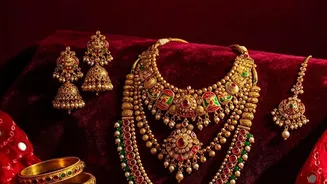
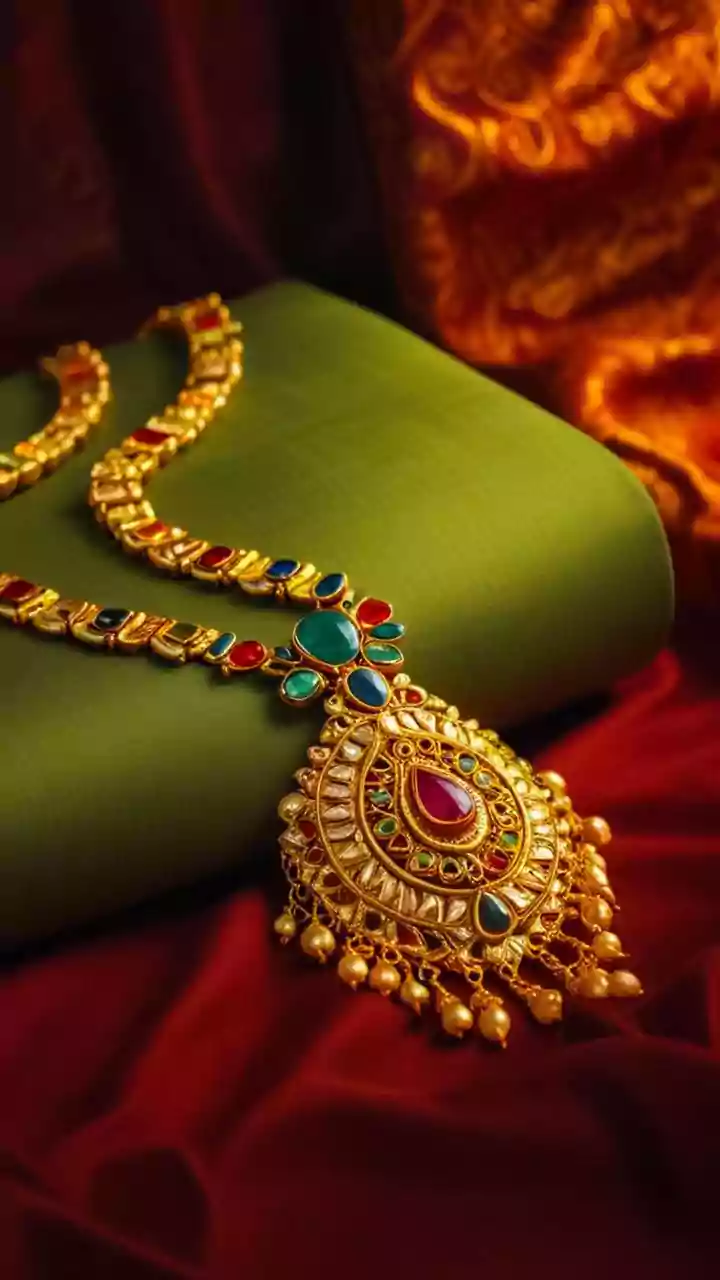
For generations, festive jewellery was an investment synonymous with weddings and major religious events—ornate, heavy, and designed to signify wealth. These pieces were often worn once or twice before returning to the safety of a bank locker. Today’s
young professionals, however, are shifting their perspective. They are moving away from the idea of 'locker jewellery' and embracing pieces that integrate into their lives. The new consumer, particularly millennials and Gen Z, is less interested in jewellery as a stored asset and more focused on it as a tool for self-expression. This reflects a broader cultural change where personal style often outweighs grand, occasional displays of tradition.
A Style That Works Overtime
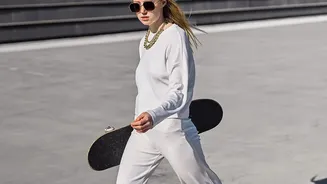
Perhaps the biggest driver of the minimalist trend is versatility. A young urbanite's life is a constant blend of professional and social commitments. The perfect piece of jewellery is one that looks just as appropriate in a boardroom meeting as it does at a Diwali party or a weekend brunch. Minimalist designs—think delicate chains, simple studs, stackable rings, and sleek bracelets—excel at this. This focus on 'cost per wear' is also linked to a growing consciousness around sustainability. Instead of buying multiple trendy but disposable accessories, the modern consumer prefers to invest in fewer, higher-quality fine jewellery pieces that offer timeless appeal and can be worn daily.
Redefining the Meaning of 'Festive'
The definition of a 'festive occasion' has expanded. While Diwali, Durga Puja, and weddings remain central, the modern calendar is dotted with numerous other personal celebrations. A career promotion, a milestone birthday, an anniversary, or even a solo trip can be considered a moment worthy of marking. Jewellery is no longer reserved just for traditional events but is purchased to celebrate personal achievements and moments. This shift requires a different kind of accessory—one that is celebratory yet subtle. Minimalist fine jewellery, with its clean lines and understated elegance, perfectly suits this new, broader spectrum of special occasions that define the lives of young Indians today.
The New Language of Quiet Luxury
Luxury itself has been redefined. It is no longer about the loudest statement or the biggest gemstone but about craftsmanship, intentionality, and personal meaning. Young buyers are drawn to the story behind a piece, its design integrity, and the quality of the materials. Minimalist jewellery often highlights these aspects beautifully. The focus shifts from the sheer size of the ornament to the clean lines, the polish of the metal, and the subtle sparkle of a well-set stone. It is a form of 'quiet luxury' that communicates taste and sophistication without shouting for attention, a sentiment that resonates deeply with a generation that values authenticity over opulence.
An Investment in Personal Identity
Ultimately, the embrace of minimalist jewellery is about owning and expressing one's personal identity. These are not pieces inherited or chosen by family, but items self-purchased to reflect individual style. They are worn not just to accessorise an outfit, but because they become a part of the wearer. Layering delicate necklaces or stacking thin rings allows for a customised look that can be adapted daily. This makes jewellery less of a temporary adornment and more of a signature—a quiet, constant statement of who you are. For the young Indian urbanite, this form of expression is the most precious luxury of all.