

The Golden Rule: Name and Date
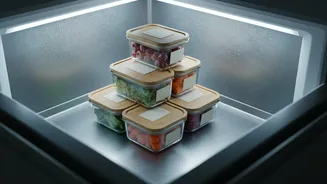
The foundation of any successful freezer labeling system is built on two crucial pieces of information: the name of the dish and the date it was frozen. This simple act transforms an unidentifiable frozen block into a future meal. Clearly writing the name of the food
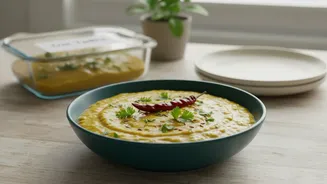
prevents unfortunate mix-ups, like mistaking a container of frozen gravy for chocolate sauce. The date is equally critical, serving as your primary tool for tracking freshness and ensuring food safety. Foods don't last forever, even when frozen. Knowing when something was stored allows you to follow the 'First-In, First-Out' (FIFO) principle, using up older items before they lose quality or develop freezer burn. This practice not only keeps your freezer organized but also significantly reduces food waste by making sure nothing gets lost and forgotten at the back.
Why Simplicity Is Your Best Friend
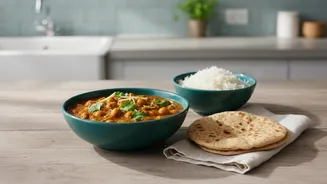
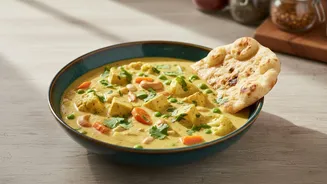
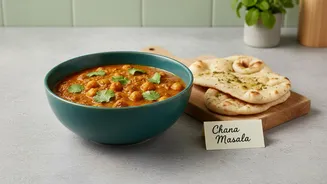
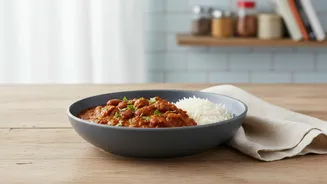
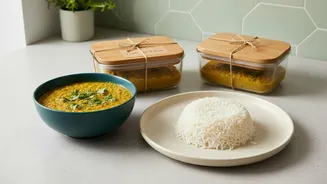
While it can be tempting to include a novel's worth of information on each label, complexity is often the enemy of consistency. The more details you decide are 'essential', the less likely you are to label anything at all when you're in a hurry. Sticking to the core components—dish name and date—makes the process quick and easy to adopt as a regular habit. Think of it as a low-barrier entry to better kitchen management. You can grab a container of leftover chicken curry, quickly scribble “Chicken Curry” and the date, and toss it in the freezer in under a minute. This lean approach ensures that even on your busiest days, you’ll maintain the system rather than abandoning it for being too cumbersome. A simple, consistent system is far more effective than an elaborate one that's only used sporadically.
Level Up: Optional but Helpful Details
Once you have mastered the basics of name and date, you might consider adding a few extra details for enhanced convenience. Including the quantity or number of servings is particularly useful. For example, “Rajma (4 servings)” helps you know instantly if that container is enough for a family dinner or just a single lunch. Another helpful addition is reheating or cooking instructions. A quick note like “Thaw before heating” or “Bake at 180°C for 20 mins” can be a lifesaver on a busy weeknight, removing all guesswork from meal prep. For those who are extra diligent, adding a “use-by” date based on general food safety guidelines can provide an at-a-glance reminder of when an item should be consumed for the best quality. These additions are not essential, but they can make your frozen food inventory even more user-friendly.
The Right Tools for the Job
Your labeling system is only as good as the tools you use. Regular pens can smudge and paper labels can peel off in the moist, cold environment of a freezer. For best results, use a permanent marker, which works well on most surfaces like plastic bags and containers. Some people swear by grease markers, also known as china markers, which are resistant to cold and moisture but can be easily removed with a simple eraser when you're ready to reuse the container. When it comes to labels, specially designed freezer labels are made with an adhesive that can withstand low temperatures without becoming brittle and falling off. A budget-friendly and surprisingly effective alternative used in many professional kitchens is simple masking tape; it sticks well in the cold, is easy to write on, and peels off without leaving much residue.
Making Labeling a Lasting Habit
The key to a perpetually organized freezer is integrating labeling into your cooking and food storage routine. Keep your labeling supplies—whether it's a roll of tape and a marker or a stash of freezer labels—in a convenient and visible spot in your kitchen, perhaps in the same drawer as your food wrap and storage bags. The goal is to make it as easy as possible to label items on the spot. Make it a rule to label containers while they are still at room temperature and before they go into the freezer; markers write more clearly and labels adhere better to dry, non-frozen surfaces. By making labeling a non-negotiable step every time you store leftovers or prep meals for freezing, you'll save yourself time, money, and the frustration of culinary guesswork down the line.