



The Search for Something Real
For an increasing number of young Indians, the curated perfection of a resort holiday feels less like an escape and more like a bubble. They are instead seeking authentic experiences that a packaged tour rarely offers. This is a core driver of the 'slow
travel' movement, which prioritizes connection over checklists. Rather than rushing through a packed itinerary, these travellers prefer to spend weeks in a single region, immersing themselves in the local culture, trying regional foods, and living at a more deliberate pace. The goal is no longer just to see a place, but to understand it, creating meaningful memories that last longer than a tan. This shift marks a move from being a tourist to becoming a traveller.
A New Kind of Status Symbol
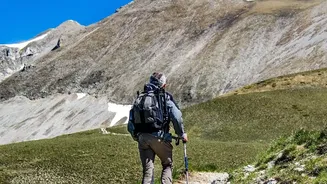
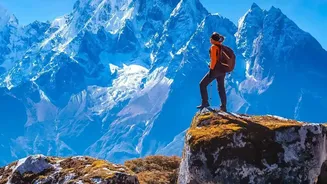
Not long ago, a vacation was broadcast through pictures of luxury and leisure. Today, the currency of social media is changing. While beautiful destinations are still popular, the new 'flex' is about the journey, not just the destination. It’s about showcasing resilience, grit, and a story of personal challenge. Completing a strenuous, multi-day trek like the Kashmir Great Lakes or a climb to a high-altitude pass in Himachal Pradesh offers a narrative of accomplishment that a weekend at a five-star property cannot. This reflects a broader generational pivot where experiences are valued more than possessions. Young people are increasingly saving for a trip to Spiti over a new sofa, prioritizing living life now rather than deferring joy for a 'someday' that may never come.
The Ultimate Digital Detox
Burnout is a real and pervasive issue for many young professionals in urban India. The constant connectivity, endless notifications, and pressure of city life have created a deep need to genuinely switch off. Long-distance hikes provide the perfect antidote. In the remote valleys of the Himalayas or the dense forests of the Western Ghats, poor-to-no mobile signal is not an inconvenience; it's a key feature. This forced disconnection allows for a mental reset. Studies have shown that spending extended time in nature reduces stress, calms anxiety, and can decrease the repetitive negative thoughts that fuel them. For many, the rhythmic act of walking becomes a form of moving meditation, offering a sense of peace that is hard to find elsewhere.
Adventure That's Accessible
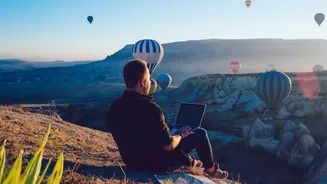
While helicopter tours and private villas remain the domain of the ultra-rich, trekking has become a surprisingly democratic form of travel. The growth of organised trekking companies in India has made even remote and challenging trails safe and accessible for beginners. These companies provide everything from expert guides and safety equipment to food and lodging in base camps. From a budget perspective, a week-long trek can often be more affordable than a few nights at a premium resort. Simple homestays and guesthouses in mountain villages offer an economical way to extend a trip for weeks, a trend that has accelerated with the rise of remote work. This combination of organised support and affordability has opened up the world of adventure to a much wider audience.
Finding Your Tribe on the Trail
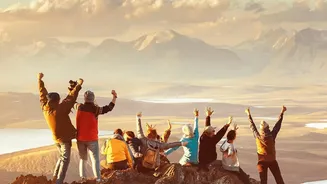
The solitary image of a lone adventurer is only part of the story. For many, trekking is a deeply social activity. The shared challenge of navigating a difficult trail, huddling for warmth around a campfire, and waking up to stunning mountain vistas forges strong bonds. Numerous trekking clubs and communities have sprung up across the country, both online and in major cities, connecting like-minded people. These groups organize everything from local weekend hikes to major Himalayan expeditions. This sense of community is a powerful draw for young people, especially those living away from home, who are looking to build genuine friendships based on shared experiences and a common love for the outdoors.