




What 'Reclassification' Means
At its core, the reclassification debate is about changing how military equipment is categorized. The U.S. government divides military items into various classes for logistical purposes and also categorizes them based on their intended use, most notably
distinguishing between 'offensive' and 'defensive' weapons. This distinction is more political and strategic than technical, as many weapons can be used for both attack and defense. For example, a tank can be used to spearhead an invasion or to defend against an enemy advance. These classifications matter because they often dictate what kind of aid can be sent to allies, under what legal authority, and whether it requires congressional approval. Changing an item's classification from 'offensive' to 'defensive,' or moving it from one regulatory list to another—like the U.S. Munitions List (USML) to the less restrictive Commerce Control List (CCL)—can streamline its export and bypass certain political or legal hurdles.
The Supplies at the Center of the Discussion
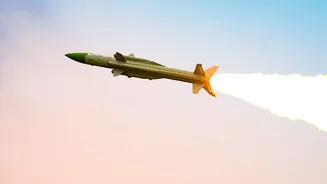
The current discussions reportedly focus on a specific set of advanced military hardware. While officials remain tight-lipped, sources suggest the items under review include long-range drones, certain classes of air-to-ground missiles, and sophisticated electronic warfare systems. Historically, such items have been deemed 'offensive' due to their ability to strike deep into enemy territory. The debate also touches on whether to reclassify them as 'major end items' (Class VII supplies like tanks and launchers) or as other categories that might have different funding streams and oversight requirements. The push is to redefine this equipment as 'defensive,' arguing it is essential for protecting strategic assets and countering enemy attacks far from the front lines. This reframing has precedents; fighter jets, often seen as offensive, have been used in defensive roles to intercept incoming missiles.
Why This Debate Is Happening Now
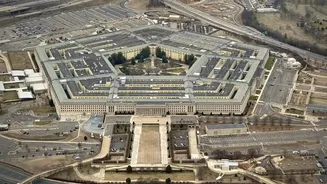
The timing is directly linked to the realities of the ongoing war with Iran. Proponents of the reclassification argue that the current definitions are outdated and hinder the rapid deployment of necessary equipment. They contend that the battlefield has evolved, and the distinction between offense and defense is blurrier than ever. A successful defense, they argue, sometimes requires the ability to preemptively strike logistical hubs or command centres, which necessitates equipment traditionally labelled 'offensive.' This move could be a way to ensure a steady flow of advanced systems without repeatedly navigating complex approval processes that can be slowed by political debate or legal challenges, such as those related to human rights under the Leahy Law. It may also be a way to shift funding from the highly scrutinized foreign aid budget to the Pentagon's larger procurement and operations budget, increasing flexibility and reducing transparency.
The Arguments and the Risks
Inside the administration, the debate is fierce. On one side, military planners and some diplomats argue that reclassification is a pragmatic step to enhance strategic flexibility and provide allies with the tools they need to succeed. They believe it allows the U.S. to better support its partners without formally escalating its own involvement. On the other side, many State Department officials and arms control advocates warn of a dangerous precedent. They argue that such a change is a slippery slope that could be seen as an escalatory move by adversaries, potentially widening the conflict. Critics also fear it could undermine international arms control norms and create loopholes that could be exploited in future conflicts, increasing global instability. Furthermore, there is concern that bypassing traditional oversight mechanisms, particularly those involving Congress, could lead to a less accountable foreign policy.