




The Strategy: Think Like a Planner
The secret to avoiding a countertop crisis is to stop buying produce just for today and start buying it for the week ahead. The goal is to purchase items at different stages of ripeness. This simple shift in mindset ensures you have something perfectly
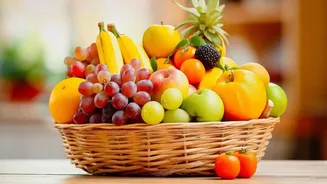
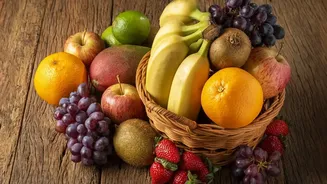
ripe to eat every day, rather than a mountain of produce that's perfect on Tuesday and spoiled by Friday. Think of your fruit bowl as a timeline. You want some items ready to eat now, some in a couple of days, and others that will be perfect towards the end of the week. For example, when buying bananas, pick a bunch that is vibrantly yellow for immediate use and another that is still tinged with green. The green ones will ripen on your counter just as you’re finishing the first batch. This approach not only prevents waste but also saves you money and extra trips to the store.
Shop with a Ripeness Spectrum in Mind
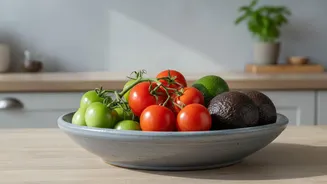
Applying this strategy at the market requires using your senses. For many fruits, like mangoes, peaches, and avocados, you can choose items with varying degrees of firmness. Buy one that is soft and fragrant for tonight's dinner, and a few that are firmer to the touch. These harder fruits will continue to ripen at room temperature over the next few days. For avocados, a ripe one will yield to gentle pressure and have a dark skin. A rock-hard, bright green one might take several days to be ready. By purchasing a spectrum—one ripe, one semi-firm, and one firm—you've set yourself up for a week of perfectly timed avocado toast. The same principle applies to tomatoes, which taste best when ripened on the vine but can be bought at various stages to mature on your counter.
Understand Ethylene: The Ripening Gas
A key part of smart produce management is understanding ethylene, a natural gas that some fruits emit as they ripen. This gas acts as a signal, encouraging nearby produce to ripen faster. Major ethylene producers include apples, ripe bananas, avocados, mangoes, and tomatoes. Other produce, like leafy greens, broccoli, carrots, and cucumbers, are highly sensitive to ethylene and will spoil much faster when exposed to it. To prevent a chain reaction of spoilage, store ethylene-producing fruits separately from ethylene-sensitive vegetables. For example, don't store your apples in the same crisper drawer as your spinach. You can also use this to your advantage: if you need to ripen a hard avocado or peach quickly, place it in a paper bag with a ripe banana or an apple for a day. The trapped ethylene will speed up the process.
Smart Storage for a Longer Shelf Life
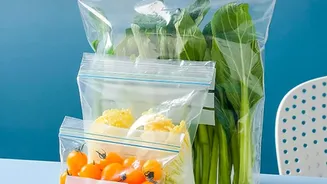
Once you get your staggered-ripeness haul home, proper storage is crucial. Many fruits should be left on the counter to ripen and then moved to the refrigerator to slow down the process and extend their life. This applies to avocados, pears, and stone fruits like peaches and plums. Root vegetables such as potatoes, onions, and garlic prefer a cool, dark, and dry place like a pantry; never store potatoes and onions together, as onions release gases that cause potatoes to spoil. Leafy greens require a different approach. To keep spinach or lettuce crisp, it’s best to store them dry. Washing them just before use is ideal. To maximize freshness, you can wrap unwashed greens in a dry paper towel and place them in a sealed bag or container in the fridge. The paper towel absorbs excess moisture that leads to slimy leaves.