





The End of the Whirlwind Tour
For decades, the goal of a holiday was to see as much as possible. It meant covering five cities in seven days, ticking off landmarks, and returning home with a camera full of photos but a mind exhausted from the rush. Now, a growing number of Indian
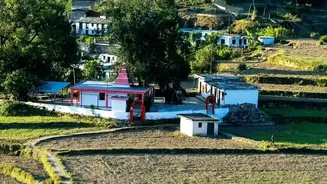
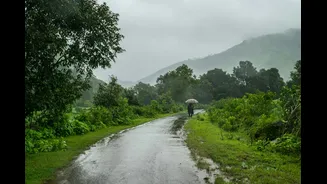
travellers are saying 'no more'. This shift is towards 'slow travel', a philosophy that encourages staying in one place for longer and experiencing it more deeply. Instead of a blur of monuments, it's about spending a morning at a local market, learning a regional recipe, or simply watching the world go by from a riverside cafe. This approach swaps the stress of a packed schedule for the simple luxury of time, allowing for genuine relaxation and discovery.
A Search for Authenticity and Rest
What’s driving this change? A major factor is burnout. With many reporting exhaustion from fast-paced urban life, the idea of a frantic holiday is losing its appeal. Reports show that relaxation is now a top priority for the majority of Indian travellers. The pandemic also shifted perspectives, creating a desire for more meaningful experiences and a connection to local culture and people. Instead of collecting sights, the new goal is to collect moments. This means choosing destinations that haven't been overexposed on social media and offer a sense of quiet discovery. It’s about finding an experience that feels personal and authentic, not just another stop on a well-trodden tourist circuit.
India’s Heritage Hotspots for Slow Living
India, with its rich history and diverse culture, is perfectly suited for this new travel style. Heritage towns, in particular, are becoming centres for slow tourism. In places like Chettinad in Tamil Nadu, travellers can explore magnificent old mansions and immerse themselves in the region's famous cuisine. Fort Kochi in Kerala offers a peaceful coastal setting where you can wander through streets showing centuries of colonial influence and watch the iconic Chinese fishing nets at a leisurely pace. In the north, the 16th-century village of Pragpur in Himachal Pradesh, with its cobblestone lanes and traditional havelis, feels like a step back in time. Other destinations like Hampi in Karnataka, the world's largest river island Majuli in Assam, and the French-influenced lanes of Puducherry are also ideal for travellers seeking to unwind and connect with history on a deeper level.
More Than Just a Vacation
The benefits of slow travel extend beyond personal well-being. By staying longer in one place, travellers contribute more directly to the local economy, supporting small businesses, homestays, and artisans. This model of tourism is inherently more sustainable, often involving less air travel and a lower environmental footprint. For the traveller, it transforms a holiday from a fleeting escape into a richer, more memorable experience. The emphasis moves from what you saw to what you felt and learned. It's about returning from a trip not just with souvenirs, but with stories, new perspectives, and a sense of having truly connected with a place.