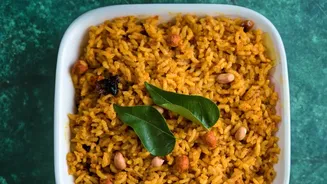



Tamarind rice, a South Indian classic known as puliyogare or pulihora, is celebrated for its bold tangy and savoury notes. Mastering this dish at home means understanding the harmony between its two key players: tart tamarind and earthy cumin.
Understanding the Star Ingredients
The soul
of this dish is tamarind, which gives it its characteristic sour 'puli' flavour. The goal is a pleasant tang, not a sharp acidity. This is where balance comes in. Jaggery is often added to round out the tamarind's sourness, creating a more complex taste profile. Cumin, or 'jeera', provides a warm, earthy counterpoint to the tamarind's brightness. It's often included in the spice powder ('podi') that is essential to the dish, adding aromatic depth and a hint of peppery flavour. Together, these ingredients form the foundation of a truly memorable tamarind rice.
Preparing the Perfect Tamarind Pulp
For the most authentic flavour, start with a block of compressed tamarind rather than a commercial paste. To prepare it, soak a lemon-sized piece of tamarind in about a cup of warm water for 20-30 minutes. Once softened, use your fingers to mash the pulp in the water until it dissolves, creating a thick, dark liquid. Strain this mixture through a sieve to remove the seeds and fibres, pressing down to extract as much liquid as possible. Some recipes call for boiling this extract to concentrate its flavour before use. This homemade pulp will form the base of your tamarind sauce, or 'pulikachal'.
Crafting the Aromatic Spice Powder
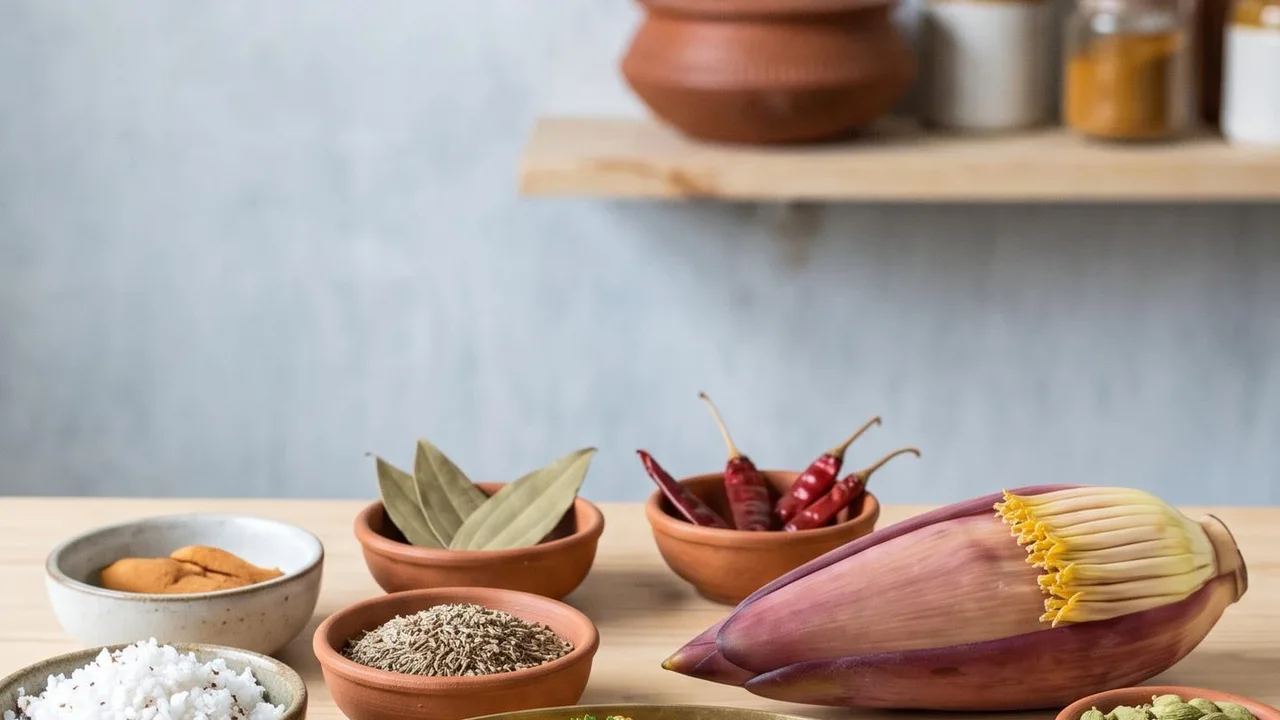
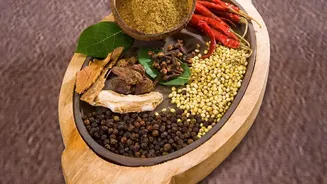
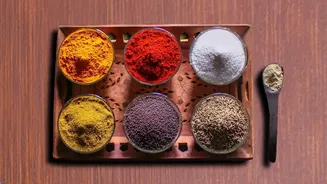
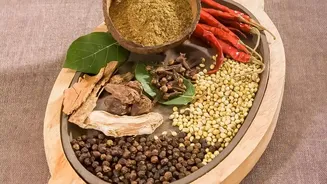
The heart of great tamarind rice lies in its freshly-made spice powder. While recipes vary, a common blend involves dry-roasting several spices separately on a low flame until they become fragrant. This typically includes coriander seeds, chana dal (split chickpeas), urad dal (split black lentils), dried red chillies, and fenugreek seeds. Cumin seeds and black peppercorns are often part of this mix. Once roasted and cooled, these ingredients are ground into a coarse powder. This powder can be made in a larger batch and stored, but making it fresh provides the best aroma and flavour.
Getting the Rice Just Right
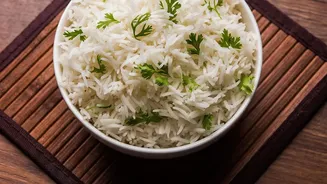
The texture of the rice is crucial; it should be firm, with each grain separate and not mushy. Many cooks recommend using aged, short-grain varieties like Sona Masoori instead of Basmati. A key tip is to cook the rice and then spread it on a wide plate or tray to cool down completely before mixing. Mixing the tamarind paste into hot, steamy rice can result in a sticky, clumpy texture. Tossing the cooled rice with a little sesame oil can also help keep the grains separate and add a layer of flavour.
Building the 'Pulikachal' or Paste
The 'pulikachal' is the flavour-packed tamarind paste that you will mix with the rice. To make it, start by heating sesame oil (gingelly oil) in a pan. Add tempering ingredients like mustard seeds, chana dal, urad dal, and peanuts, frying them until golden and crunchy. Then, add curry leaves and dried red chillies. Pour in the prepared tamarind extract, along with salt, turmeric powder, and a pinch of asafoetida (hing). Let this mixture simmer and cook down until it thickens considerably and oil begins to separate from the sides; this indicates it's properly cooked. Finally, stir in the ground spice powder and a bit of jaggery to balance the flavours.
Bringing It All Together
Once your rice is cool and your pulikachal is ready, it's time to combine them. Add the tamarind paste to the cooled rice gradually. It's better to add less at first and mix gently, adding more as needed to ensure the rice is evenly coated but not oversaturated. Use your hands or a wide spatula to mix, taking care not to break or mash the rice grains. For the best flavour, let the mixed tamarind rice rest for at least 30 minutes to a couple of hours before serving. This allows the rice to fully absorb the tangy and spicy flavours of the paste.