





The Core Philosophy: Layering
The secret to packing light for wet weather is mastering the art of layering. Instead of bulky, single-purpose items, your wardrobe should consist of three distinct layers that work together to keep you warm and dry. The base layer wicks sweat away from
your skin. The mid-layer provides insulation. And the outer layer, or shell, protects you from wind and rain. This system is versatile, allowing you to add or remove pieces to adapt to changing temperatures and conditions throughout the day. Crucially, avoid cotton, which absorbs moisture and dries slowly; instead, opt for merino wool or synthetic fabrics like polyester, which are quick-drying and manage moisture effectively.
Your Outer Shell: The Non-Negotiable Rain Jacket
Your most critical piece of gear is a high-quality, lightweight, and packable waterproof jacket. This is your primary shield against the elements. Look for a 'hardshell' jacket, which is designed to be fully waterproof and windproof while offering some breathability. Features like sealed seams, waterproof zippers, and an adjustable hood are essential for keeping rain out. Many modern rain jackets are incredibly lightweight and can be packed down into their own pocket, taking up minimal space. While a top-tier jacket can be an investment, its performance during a downpour is invaluable. For maximum protection, consider packing a pair of lightweight, waterproof rain pants as well.
The Mid-Layer: Your Source of Warmth
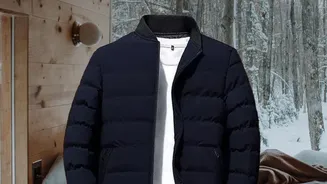
The mid-layer's job is to trap your body heat and provide insulation. Fleece jackets are a popular, versatile, and breathable choice. However, for maximum warmth-to-weight ratio, a lightweight 'puffy' jacket with down or synthetic insulation is hard to beat. Goose down is exceptionally warm and compressible, but it loses its insulating properties when wet. Synthetic insulation, on the other hand, continues to insulate even when damp, making it a safer bet for persistently wet climates. A lightweight, packable puffy vest is another excellent option, keeping your core warm while leaving your arms free.
Base Layers and Trousers: The Foundation
Your base layers are the clothes that sit next to your skin. For a seven-day trip, three to four moisture-wicking tops are sufficient. Merino wool is an ideal material; it's breathable, manages moisture, and is naturally odour-resistant, meaning you can wear it multiple times before washing. For trousers, pack one or two pairs of versatile, quick-drying synthetic pants. Hiking or travel pants are perfect as they are lightweight and often treated with a durable water-repellent (DWR) finish. You can skip heavy jeans, which are bulky and take forever to dry. One pair of comfortable pants for evenings or relaxing is a good addition.
Footwear and Accessories: Staying Dry from Head to Toe
Wet feet can ruin a trip. Your best bet is one pair of waterproof boots or shoes with good traction. Wear this heavier pair on the plane to save weight and space in your bag. Pack an extra pair of lightweight sneakers or shoes for drier moments or indoor use. Socks are critical; pack three to four pairs of wool or synthetic socks that will keep your feet warm even if they get damp. A waterproof hat or a beanie is essential for warmth, and lightweight gloves can be a lifesaver on unexpectedly cold, rainy days. A multi-purpose buff or scarf can also serve as a neck warmer, headband, or extra layer of protection.
Putting It All Together: The 7kg Challenge
To stay under the seven-kilo limit, every gram counts. Use packing cubes or compression sacks to compartmentalise your clothing and squeeze out excess air. Decant all your toiletries into travel-sized (under 100ml) reusable bottles and consider solid alternatives like shampoo bars and toothpaste tablets. Limit electronics to the essentials: your phone, a power bank, and a universal adapter. Remember to weigh your bag before you leave home. A sample list might include: one rain jacket, one fleece or puffy jacket, three merino tops, two pairs of synthetic trousers, four pairs of socks and underwear, one pair of waterproof shoes (worn), one pair of light shoes, and minimal toiletries. This strategic selection ensures you're prepared for any downpour without paying for excess baggage.