







The New Wave of Beverages
First, let's define our terms. 'Craft botanicals' is a broad category of beverages prized for their natural ingredients and sophisticated, often complex, flavour profiles. This includes drinks like kombucha, a fermented tea teeming with probiotics, artisanal
iced teas, shrubs (drinking vinegars mixed with fruit and sugar), and sparkling waters infused with herbs and fruit essences. Unlike traditional aerated drinks, which often rely on artificial flavours and high amounts of refined sugar, these beverages are positioned as healthier, more natural alternatives. Brands are incorporating indigenous ingredients like kokum and gondhoraj lemon, creating a uniquely Indian take on a global trend. The focus is on small-batch production, quality ingredients, and a drinking experience that feels both wholesome and premium.
A Generational Shift Towards Health
The most significant driver of this trend is a profound shift in consumer consciousness towards health and wellness. Urban Indians, particularly Gen Z and millennials, are increasingly wary of the high sugar content in traditional soft drinks. With growing awareness about lifestyle diseases, consumers are actively seeking out low-sugar or no-sugar options. This isn't just about avoiding calories; it's part of a larger movement towards 'clean living' and mindful consumption. Consumers are reading labels more carefully and prioritising products with natural, recognisable ingredients over those with chemicals and preservatives. The Indian health drinks market is booming, with forecasts predicting a compound annual growth rate of over 11% as more people seek out functional beverages that do more than just quench thirst.
An Affordable, Aspirational Experience
Choosing a botanical beverage over a mass-market soda is also an aspirational choice. In a world of standardised products, 'craft' and 'artisanal' signify uniqueness and quality. These drinks offer an element of affordable luxury. While a bottle of kombucha might be more expensive than a cola, it provides a more complex and novel experience for the palate. For many, it's a way to signal discerning taste and an investment in personal well-being. Cafes, in turn, are leaning into this. Offering a curated menu of unique botanical drinks helps them stand out and cater to a clientele that values experience over simple consumption. These beverages are seen less as a simple refreshment and more as a lifestyle product.
The Instagram Effect
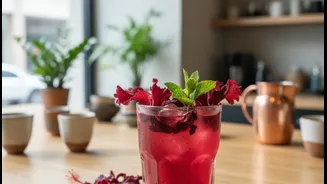
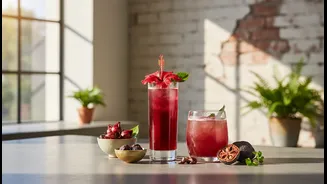
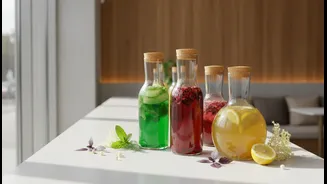
It’s impossible to discuss modern consumer trends without mentioning social media. Craft botanical drinks are highly 'Instagrammable'. Their vibrant, natural colours, often served in stylish glassware with garnishes like mint sprigs or citrus wheels, make for beautiful photos. Influencers and food bloggers have played a massive role in popularising these drinks, transforming them from niche health-store items into mainstream café staples. A visually appealing drink creates a buzz online, driving curiosity and footfall. Beyond just aesthetics, the story behind the drink—its unique ingredients, the local brand that makes it, its health benefits—becomes shareable content, allowing consumers to participate in a larger cultural conversation about food and wellness.
Evolving Tastes and Curious Palates
Finally, this trend reflects a genuine evolution in the urban Indian palate. Consumers are moving away from one-dimensionally sweet flavours and are increasingly curious to explore more nuanced and sophisticated tastes. The subtle floral notes of elderflower, the spicy warmth of ginger, and the tartness of fermented tea offer a sensory experience that a sugary soda cannot match. This growing desire for complexity and novelty is pushing beverage companies, both large and small, to innovate. From hyper-local flavours to global wellness trends, the beverage menu in Indian cafes is becoming a playground for experimentation, catering to a new generation of adventurous and health-conscious drinkers.