




The Budget-Friendly Advantage
The most compelling reason to visit Kerala during the monsoon (June to September) is the significant drop in prices. As the tourist peak season ends, airlines, hotels, and resorts slash their rates, with discounts often ranging from 30% to 60%. [27, 24]
This is the off-season, which means your travel budget stretches much further. A stay in a luxurious resort or a serene houseboat, which might be a splurge in winter, becomes incredibly accessible. [10] Fewer tourists also mean you get to experience popular spots like the backwaters of Alappuzha or the hills of Munnar in relative solitude, free from the usual crowds. [3, 5] This translates to a more peaceful, private, and authentic experience of "God's Own Country". [27]
A Landscape Reborn and Rejuvenated
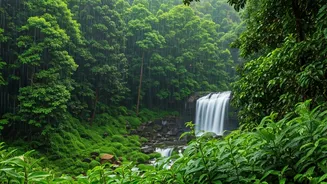
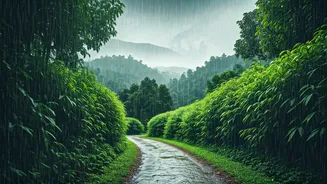
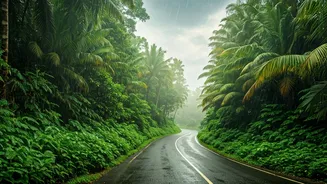
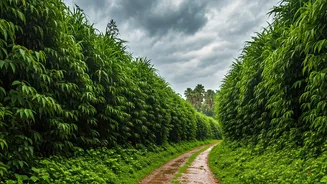
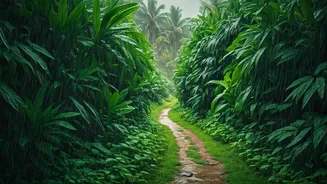
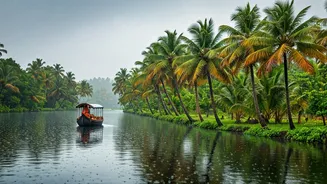
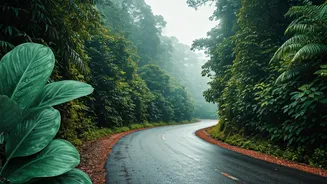
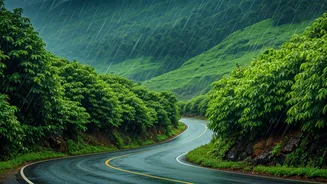
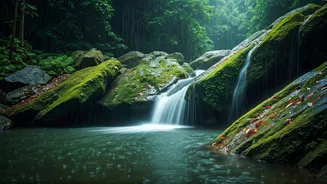
The term "rain-washed" perfectly captures the transformation Kerala undergoes. The monsoon breathes new life into the landscape, turning the state into a vibrant canvas of lush greens. [13] The tea plantations in Munnar become shrouded in mist, creating a romantic, almost mystical atmosphere. [9, 13] Waterfalls like those at Athirapally, often called the "Niagara of India," swell to their full, thunderous glory, offering a magnificent spectacle. [5, 13] The backwaters, fuller and greener, provide a tranquil setting for a boat cruise, with the pitter-patter of rain on the roof adding to the charm. [3, 20] The very air feels fresh and carries the earthy scent of wet soil, engaging all your senses in a way the dry season cannot. [12, 22]
The Prime Time for Ayurvedic Healing
There's a deep-rooted belief in Kerala, supported by Ayurvedic tradition, that the monsoon is the ideal time for wellness treatments. [11] According to Ayurveda, the cool, moist, and dust-free climate during the rains helps to open up the pores of the skin, making the body more receptive to herbal oils and therapies. [5, 20] This enhanced absorption makes treatments for various ailments, from joint pain to stress, significantly more effective. [7, 22] Many wellness centres and resorts offer special monsoon packages for 'Karkidaka Chikitsa', a traditional rejuvenation therapy, allowing you to detoxify and heal in a serene environment. [11, 19] A 2023 study even noted a 25% greater reduction in joint pain scores when treatments were done in the rainy season versus the summer. [22]
Where to Go and What to See
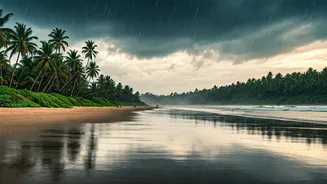
Certain destinations in Kerala truly shine during the monsoon. Munnar's mist-covered tea gardens are a must-visit, offering breathtaking walks and treks. [17] The backwaters of Alleppey and Kumarakom offer a unique houseboat experience, where you can watch the rain transform the waterways. [8, 18] Wayanad, with its dense forests, ancient caves, and opportunities to stay in a treehouse, becomes an adventurous and romantic escape. [8, 12] For those who love the coast, beaches like Varkala and Kovalam take on a dramatic beauty, with powerful waves and fewer people, offering a more serene seaside experience. [9, 8] The season also brings vibrant festivals like Onam (typically in August) and the famous snake boat races, adding a rich cultural layer to your trip. [5, 10]
Practical Tips for Your Monsoon Trip
Packing smart is key to enjoying a monsoon trip. An umbrella and a light raincoat are essential, along with quick-drying clothes made of fabrics like cotton or linen. [2, 6] Sturdy footwear with good grip is important, especially if you plan to walk through hilly areas or near waterfalls. [14] It's also wise to carry mosquito repellent, particularly for evenings and in backwater or forested areas. [6, 16] Pack any personal medications you need, and consider waterproof bags or covers for your electronics. [16] While cards are widely accepted in cities and larger hotels, carrying some cash is useful for smaller shops and local transport. [2]