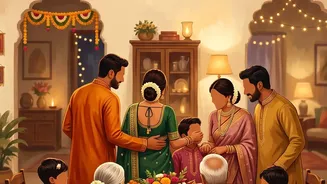

The aroma of spices frying and dough being kneaded is the unmistakable soundtrack of an Indian home before a festival. But as life gets busier, a new tradition is emerging, one where curated, store-bought sweets share the table with beloved homemade snacks.
The Heartbeat of the Festive Kitchen
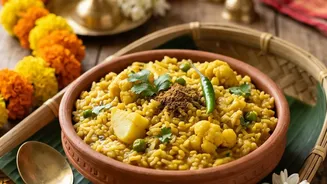
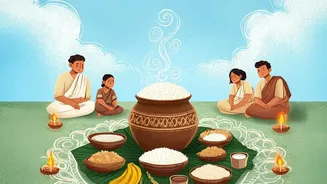
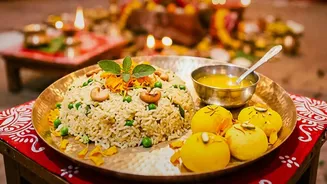
For generations, the weeks leading up to festivals like Diwali have been a time of communal culinary activity. Kitchens would transform into bustling workshops where grandmothers, mothers, and children gathered to prepare an array of snacks. This tradition is about far more than just food; it is a ritual of bonding, a way of preserving and passing down family recipes that carry the taste of nostalgia. The savoury crunch of a perfectly spiralled murukku or the flaky texture of a mathri is not just a snack but a repository of memory and identity. These homemade savouries, often made in large batches, are prepared with love to be shared with visiting family and friends, becoming a gesture of hospitality and warmth. This act of sharing is central to the festive spirit, weaving a thread of community and connection through food.
A Shift in Modern Festivities
In recent years, the rhythm of festive preparations has started to change. With the rise of nuclear families, dual-income households, and fast-paced urban lifestyles, the time and energy once dedicated to elaborate snack-making are often in short supply. The joy of preparing everything from scratch can sometimes be overshadowed by the stress of managing work, home, and festive shopping simultaneously. This modern reality has led many to seek a more practical balance between upholding tradition and enjoying the celebration without exhaustion. The objective isn't to abandon the cherished rituals but to adapt them to contemporary life, ensuring the essence of the festival—joy and togetherness—remains at the forefront.
The Rise of the Curated Sweet Box
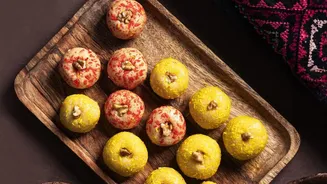
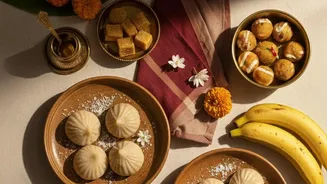
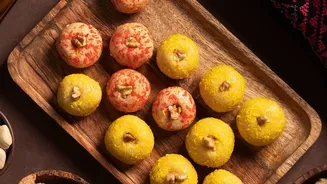
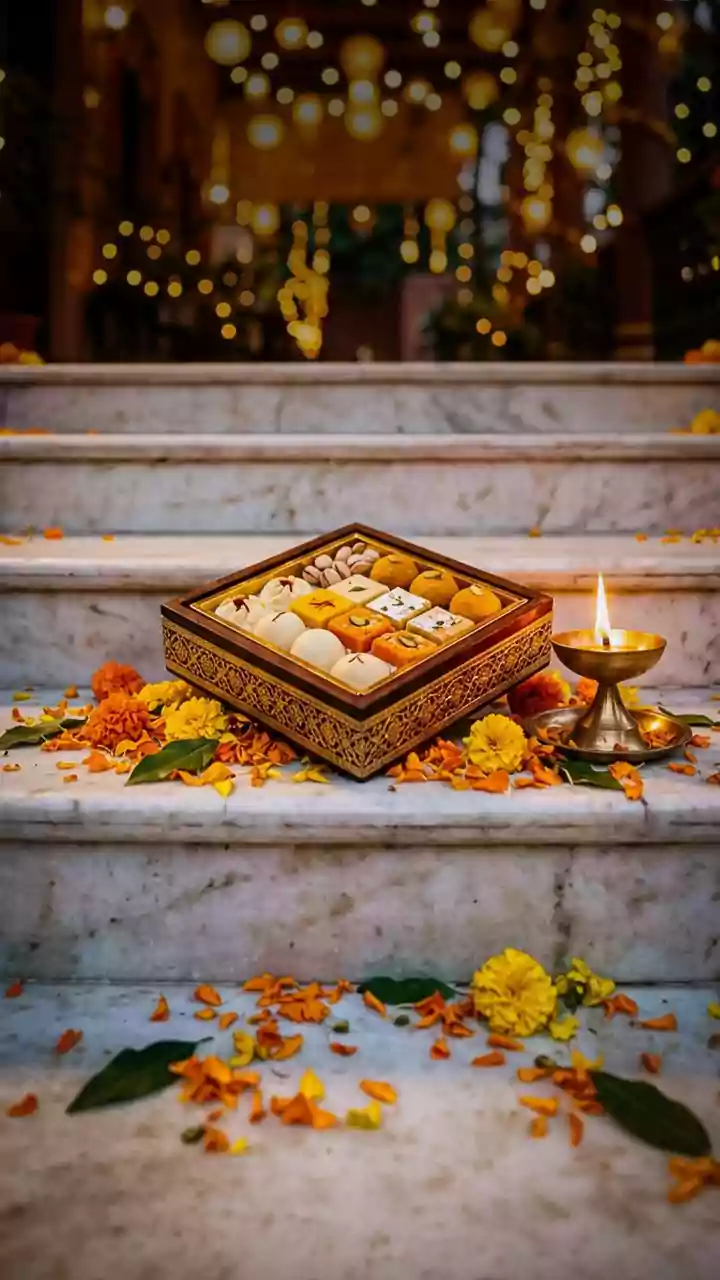
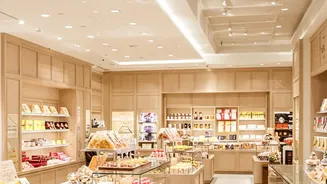
This is where the humble mithai shop, and its modern artisanal counterparts, have stepped in. Buying sweets is not a new phenomenon; it has long been a symbol of celebration and goodwill in India. However, the market has evolved significantly. Today, consumers have access to an incredible variety of high-quality, handcrafted sweets that offer both convenience and sophistication. From traditional mithai made with pure desi ghee and time-honoured recipes to innovative fusion sweets combining classic flavours with ingredients like chocolate or coffee, there is a world of choice. These professionally made sweets often boast a level of craftsmanship and a range of ingredients that can be difficult to replicate at home, providing a touch of gourmet indulgence to the festive spread.
A Delicious and Practical Partnership
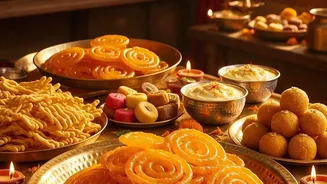
Rather than seeing it as a choice between homemade and store_bought, many are embracing a 'best of both worlds' approach. The festive table now often features a delightful combination: the familiar, comforting flavours of home_cooked namkeens (savouries) sitting alongside an exquisite selection of purchased sweets. This hybrid model is a perfect compromise. Families can continue the tradition of making their signature savoury snacks—the mathris, chaklis, and chivdas that define their festive heritage—while outsourcing the often more technically demanding and time_consuming sweets like kaju katli or intricate barfis. This approach frees up valuable time, reduces stress, and adds variety and elegance to the offerings, allowing hosts to focus more on connecting with their loved ones.