







Understanding the Regulation
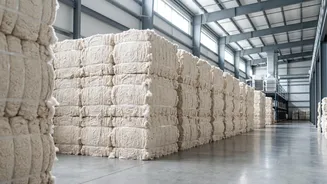
The Indian government has implemented stock holding limits on sugar, a measure designed to control the supply chain of this essential commodity. Effective from October 15 to November 30, 2026, these rules restrict how much sugar dealers can keep in their
inventory and for how long. Specifically, most dealers are capped at holding 1,000 quintals and must sell their stock within 15 days of receiving it. A similar 15-day limit was also placed on bulk consumers, such as large food processors, who use more than 10 tonnes per month. The government's stated goal is to prevent hoarding, curb speculative trading, and ensure a steady flow of sugar into the market to keep retail prices stable for households, especially as festive demand peaks.
Why Now? The Rationale Explained
This policy intervention comes at a critical time. Sugar prices have been climbing, with ex-mill rates in key states like Uttar Pradesh and Maharashtra seeing double-digit percentage increases in early October. This price surge is driven by a combination of factors: lower-than-expected domestic sugar production due to crop damage, tighter global supplies, and a sharp rise in demand ahead of festivals like Diwali. Officials believe that speculative hoarding by some traders has created an artificial sense of scarcity, pushing prices up beyond what supply and demand fundamentals would suggest. By enforcing stock limits, the government aims to release any hoarded inventory into the market, thereby increasing availability and cooling down prices before they impact consumers' festive budgets.
The Squeeze on Food Manufacturers
While intended to protect consumers, these stock limits place significant operational pressure on food manufacturers, from large-scale beverage companies to local sweet shops ('mithaiwallas'). The primary challenge is procurement. Businesses are prevented from buying sugar in large quantities when prices might be favourable, a common strategy to manage costs. Instead, they must purchase smaller amounts more frequently, exposing them to market volatility and potentially higher average costs. This hand-to-mouth buying disrupts production planning and can create uncertainty in the supply chain. If fresh stock doesn't arrive precisely when needed, it can lead to slowdowns or even temporary halts in production right when they need to be ramping up for the festive rush.
A Festive Season Pressure Cooker
The timing of these limits intensifies the impact. The festive season in India, particularly Diwali, accounts for a massive portion of annual sales for the country's sweets and snacks industry. For many sweet makers, this period represents over 40% of their yearly revenue. Demand for key ingredients like sugar, milk, and ghee soars. However, with stock limits in place, manufacturers cannot build up the necessary raw material inventory to meet this predictable surge. They are caught between booming consumer demand and a government-restricted supply line. This is complicated further by delays in the new sugarcane crushing season, which means fresh sugar supply is not expected to reach the market at scale until after the main festive peak, keeping the market tight.
The Divide Between Large and Small Players
The burden of these regulations is not felt equally across the industry. Large, organised food corporations often have sophisticated supply chain management systems, dedicated procurement teams, and the financial muscle to better navigate this volatility. They can hedge, secure contracts, and manage logistics with greater efficiency. In contrast, small and medium-sized enterprises (SMEs)—including thousands of traditional sweet shops and bakeries—are hit hardest. Lacking the same resources, they are more directly exposed to price fluctuations and supply uncertainties in the spot market. For them, securing a consistent and affordable sugar supply becomes a daily struggle, directly threatening their profit margins during their most crucial business season.
The Broader Economic Balancing Act
The government's actions highlight a classic economic balancing act. On one hand, it has a responsibility to control food inflation and protect household budgets from sharp price rises in essential items like sugar. On the other, these same regulatory measures create significant operational hurdles for an industry that is a major employer and a cultural cornerstone, especially during festivals. To further increase domestic availability, the government has also taken other steps, including allowing duty-free imports and, more recently, reportedly directing sugar mills to stop diverting sugarcane for ethanol production, a move that impacts mill revenues but frees up more cane for sugar. For food manufacturers, these compounding factors mean navigating a difficult environment where their most critical raw material is at the center of a national policy push.