



A Galaxy of Startups
India's space economy, currently valued at around $9 billion, is projected to surge to over $40 billion within the next decade. This explosive growth is being fuelled by a dramatic policy shift that opened the sector to private companies in 2020. Since
then, the number of space startups has skyrocketed from just a handful to over 400. These companies, including names like Skyroot Aerospace, Agnikul Cosmos, and Pixxel, are not just launching rockets; they are building a full-fledged commercial ecosystem. This new landscape, supported by government bodies like the Indian National Space Promotion and Authorisation Centre (IN-SPACe), is creating a fertile ground for high-skilled job creation across the country, particularly in hubs like Bengaluru, Hyderabad, and Chennai.
Upstream: Building the Rockets and Satellites
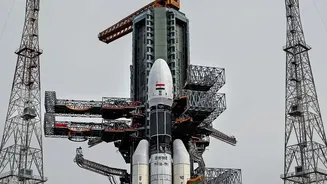
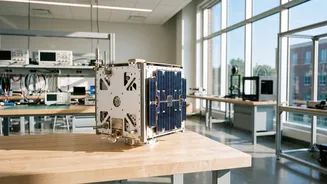
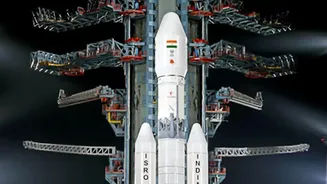
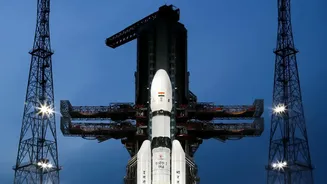
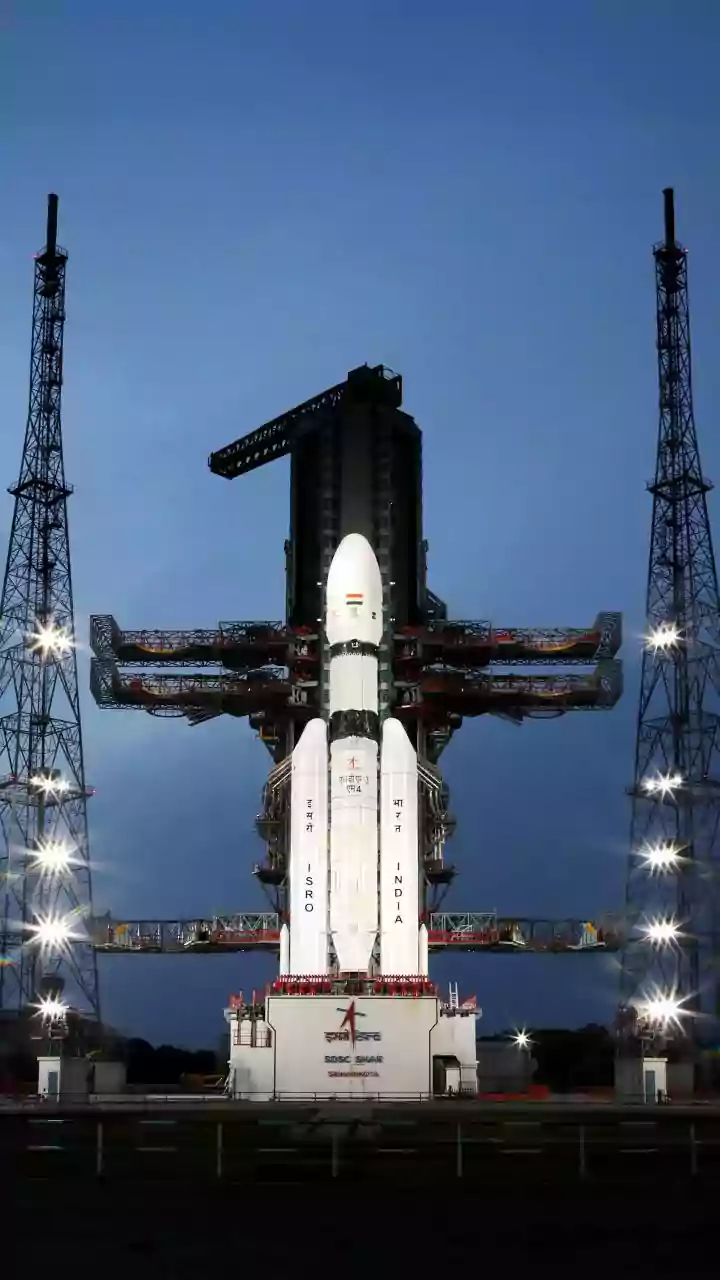
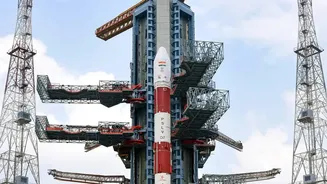
The most visible part of the space industry involves building the hardware that goes into orbit. This is known as the 'upstream' sector. Indian startups are now designing, manufacturing, and testing their own launch vehicles and satellites, creating a huge demand for engineers. The roles are diverse, covering propulsion, avionics, structural design, and guidance, navigation, and control (GNC) systems. Companies like Skyroot and Agnikul are focused on launch vehicles, while firms such as Dhruva Space are developing satellite platforms. This shift means that for the first time, ambitious engineering graduates have a viable alternative to ISRO for hands-on experience in building and launching space-grade hardware. Even ISRO is now transitioning routine production of its trusted rockets, like the PSLV and LVM3, to private industry partners, further expanding manufacturing jobs.
Downstream: The Data Gold Rush
While rockets capture the imagination, much of the commercial value of space lies in what happens after a satellite is in orbit. This 'downstream' sector uses satellite data to provide services on Earth, and it's a field where India's IT strengths create a major advantage. Companies like Pixxel, which specialises in hyperspectral imaging, and SatSure, which provides climate and agriculture analytics, are turning satellite imagery into actionable intelligence. This creates a wealth of opportunities for data scientists, AI/ML specialists, remote sensing experts, and geospatial analysts. These roles involve building algorithms to track crop health, monitor urban development, manage disaster response, and even assist in financial services. The demand for professionals who can turn raw satellite data into valuable products is growing just as fast as the demand for rocket engineers.
Beyond Engineering: New and Unexpected Roles
A thriving space economy needs more than just engineers and data scientists. As the industry matures, it is creating a wide array of jobs for people with diverse qualifications. The growth of private space activities has led to a need for space law experts who can navigate complex international treaties and domestic regulations. With hundreds of startups entering the field, there's a growing demand for business development professionals, financial analysts with a focus on deep-tech venture capital, and marketing specialists who can communicate complex technology to a wider audience. Even fields like visual design and communications have a role to play, as companies look to build strong brands in a competitive market. The ecosystem also requires policy specialists and science communicators to bridge the gap between technology and society.
Getting Mission-Ready: Skills for the Future
The foundation for a career in this sector remains a strong grasp of fundamentals in fields like aerospace, mechanical, and electrical engineering. However, the private industry places a premium on a multidisciplinary skill set. Proficiency in programming languages like Python and C++, familiarity with data analysis and machine learning, and experience with modern design and simulation software are becoming essential. More importantly, startups are looking for individuals who can solve problems, learn quickly, and work in fast-paced, hands-on environments. For students and young professionals, this means focusing on practical projects, participating in university challenges, and building a portfolio that demonstrates an ability to apply theoretical knowledge to real-world problems. The Indian space sector is no longer a distant dream; it's a present-day opportunity for those willing to skill up for the launch.