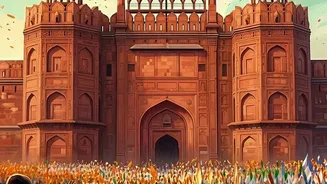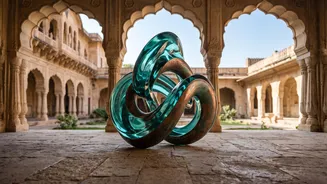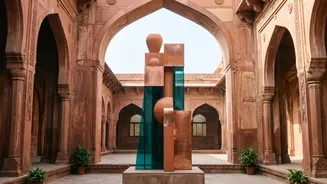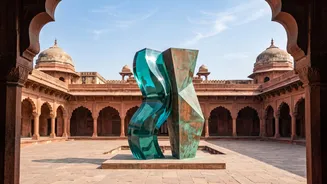


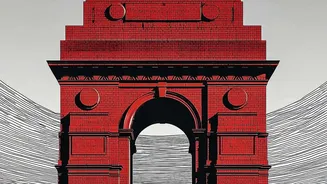
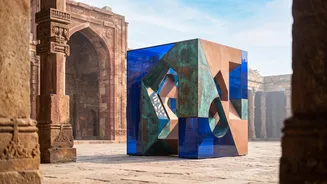
This winter, Delhi transforms into a living museum. The India Biennale 2026 is set to unfold across 108 days, placing cutting-edge contemporary design and architecture directly within the city's most treasured heritage sites.
A City-Wide Cultural Canvas
Prepare to see Delhi's history
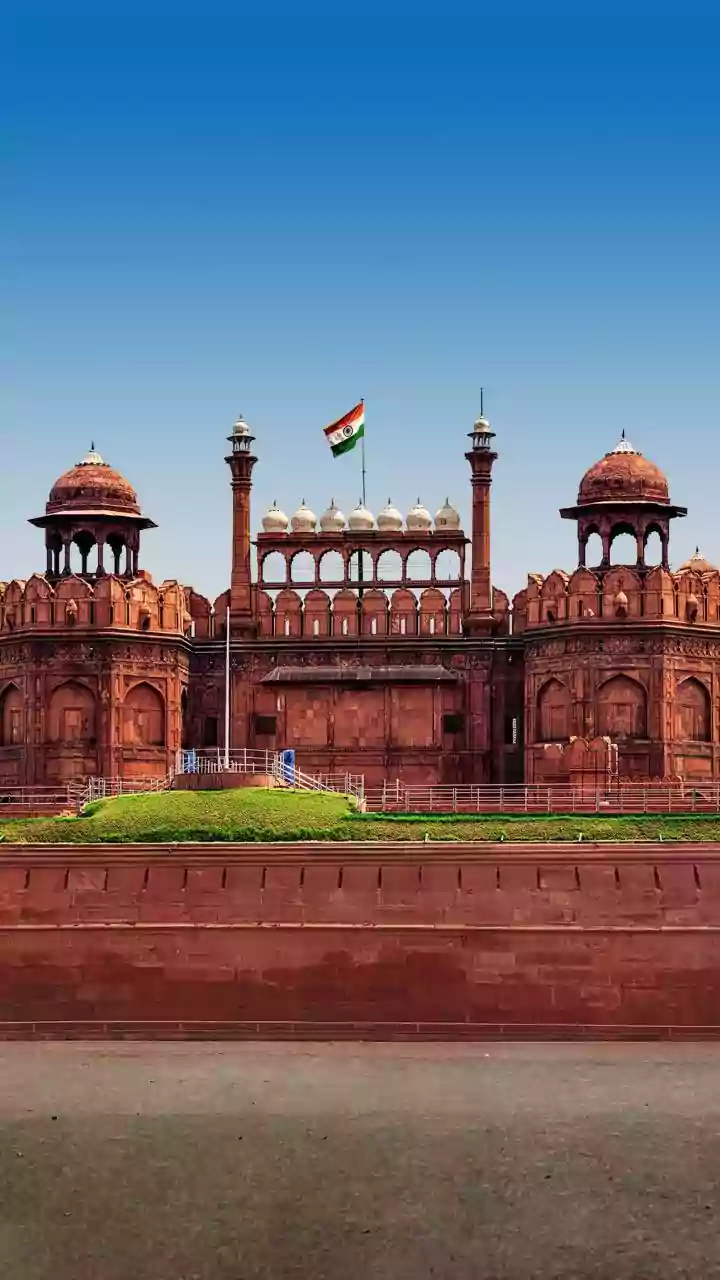
in a new light. The second edition of the India Art, Architecture & Design Biennale (IAADB), officially titled The India Biennale, will take place from December 4, 2026, to March 21, 2027. Organized by the Ministry of Culture, this ambitious event aims to create a sprawling, city-wide platform for creative expression by turning historical monuments and modern cultural centres into interconnected exhibition spaces. Following a successful first edition in 2023 at the Red Fort, this year's biennale expands dramatically. The core idea is to move art outside the gallery and into the public sphere, fostering a direct dialogue between contemporary creators and India’s architectural soul. More than twenty countries are expected to participate, making it a significant international cultural exchange.
Where Past Meets Present
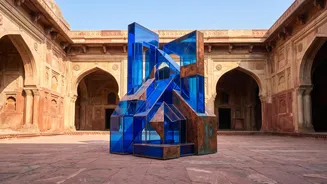
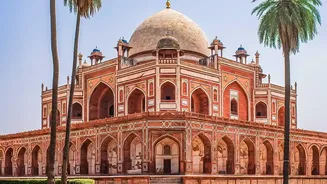
The most compelling aspect of the biennale is its use of Delhi's iconic landmarks as venues. Instead of being passive backdrops, these sites are integral to the experience. The 16th-century Purana Qila (Old Fort) will serve as the festival's main hub, hosting major pavilions and installations. From there, the event spills across the capital. Imagine site-specific installations at Humayun's Tomb, architectural prototypes in Lodhi Garden, and digital art projections at Qutub Minar. Other confirmed locations include Red Fort, Jantar Mantar, Safdarjung's Tomb, and Agrasen ki Baoli, alongside institutional hubs like the National Gallery of Modern Art (NGMA). This approach invites visitors to rediscover familiar monuments, viewing them through the lens of modern creativity and uncovering new layers of meaning.
The 108-Day Creative Spectacle
Over its 108-day run, the India Biennale will offer a dense program of exhibitions, performances, workshops, and conversations. The curatorial theme for 2026 is 'Tat Tvam Asi' (You Are That), an ancient philosophical insight encouraging reconnection in an age of distraction. The program invites artists, architects, and designers to create works that encourage audiences to pause, observe, and find themselves reflected in their surroundings. Visitors can expect everything from large-scale art installations and curated pavilions to experimental projects and a Student Biennale dedicated to emerging talent. To make navigating the city-wide festival easier, organizers have announced a single All-Access India Biennale Pass and free electric shuttle buses connecting key venue clusters.
A Milestone for Indian Design
The India Biennale 2026 is more than just a festival; it's a statement about the country's growing cultural confidence and the vitality of its creative industries. By placing contemporary architecture and design on an equal footing with art in such a highndprofile, publicndfacing manner, the event champions the role of design in shaping modern India. It provides a global stage for Indian designers, architects, and artisans to showcase their work, innovate with new forms, and engage with both local and international audiences. Collaborations, such as the Godrej Pavilion at Purana Qila, demonstrate how contemporary design can respectfully interact with protected monuments using temporary and lowndimpact construction methods. This fusion of heritage preservation and forwardndlooking creativity defines the biennale's unique and vital contribution to India's cultural landscape.