


The Sweetest Form of Devotion
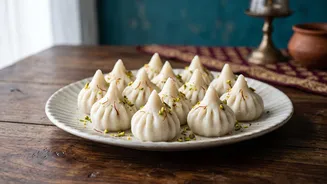
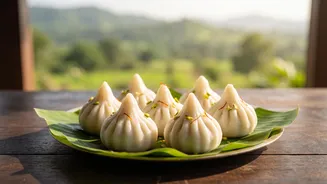
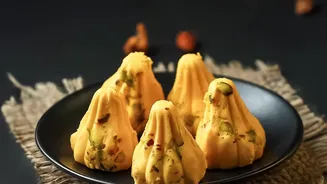
No Ganesh Chaturthi celebration feels complete without the modak. This sweet, pleated dumpling is more than just a festive treat; it's considered Lord Ganesha's favourite food, making it an essential offering, or 'naivedya'. The most traditional variety,
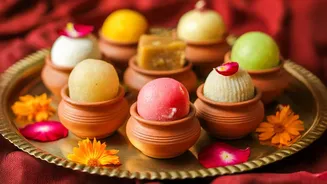
known as Ukadiche Modak in Maharashtra, features a soft, steamed rice-flour shell filled with a fragrant mixture of fresh coconut and jaggery. The process of making them is often a cherished family activity, with generations gathering to prepare the dough, stuff the filling, and carefully shape each piece. While the classic steamed version holds a special place, many other types have emerged, including crispy fried modaks and modern interpretations with chocolate, saffron, or dry fruit fillings. Offering 21 modaks is a common practice, symbolising devotion and the sweet rewards of spiritual practice.
A City's Rhythmic Heartbeat
During Ganesh Visarjan, cities like Mumbai and Pune transform into sprawling stages of public celebration. The immersion processions, especially on the final day of Anant Chaturdashi, are a spectacle of immense scale and energy. Giant idols from public 'pandals' (temporary shrines) are mounted on trucks and slowly navigated through streets packed with millions of devotees. These processions are powered by the thunderous beats of 'dhol-tasha' troupes, whose synchronised drumming creates an infectious, powerful rhythm that invites everyone to dance. The air rings with the collective chant of "Ganpati Bappa Morya, Pudhchya Varshi Lavkar Ya," which translates to a heartfelt plea for the deity to return soon next year. This public expression, which gained prominence through freedom fighter Lokmanya Tilak, turns a religious observance into a massive cultural event that unites neighbourhoods and entire communities.
The Journey Home for a Final Goodbye
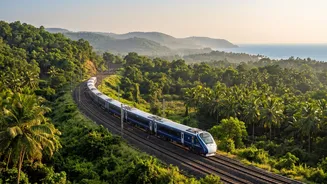
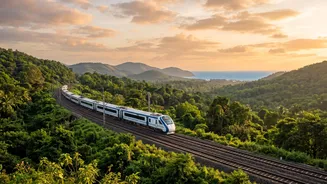
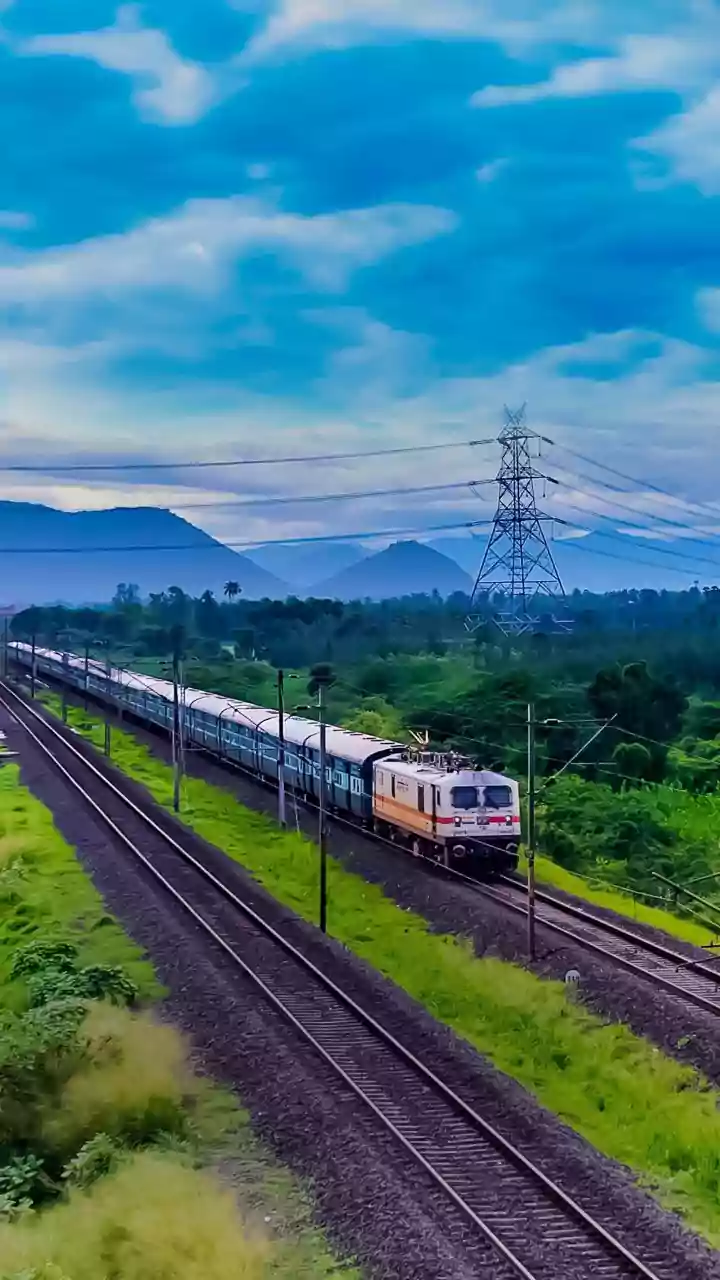
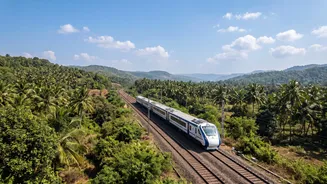
For countless people, the final days of Ganeshotsav are synonymous with travel. It's a time when trains and buses heading towards the Konkan region and other parts of Maharashtra are packed with people making their way home. This annual migration is not just about a holiday; it is a pilgrimage driven by the deep-seated desire to be with family for the festival's culmination. Celebrating with family, participating in the local 'visarjan' procession, and sharing home-cooked festive meals are traditions that pull people back to their roots. This travel trend underscores the festival's role in reinforcing family and community bonds, often across significant distances. The journey itself becomes part of the story, a testament to how deeply intertwined faith, family, and a sense of place are in the cultural fabric of India.
More Than the Sum of its Parts
These three elements—food, tradition, and travel—are not isolated pillars of the festival. They are intricately woven together. The modak is a taste of home that people travel miles for. The vibrant city traditions are what families, including those who have travelled, come together to witness and participate in. The journey home is motivated by the pull of these very rituals and the desire to share them with loved ones. Ganesh Visarjan is the powerful culmination where the private devotion of a family kitchen and the public spectacle of a city street merge. It is a time when personal memory, collective faith, and cultural identity are all expressed at once, in a loud, colourful, and emotional farewell to a beloved deity.