







The Sheer Scale of the Festive Surge
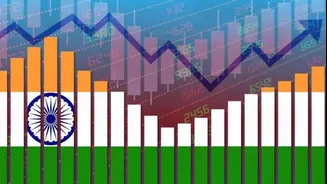
India's festive season, stretching from Onam and Ganesh Chaturthi through Diwali and Christmas, is more than a cultural phenomenon; it's a major economic event. This period can account for a substantial portion of annual sales for many businesses. Forecasts
for the 2026 festive online market alone predict a gross merchandise value of around INR 1.50 to 1.55 lakh crore, a significant jump from the previous year. This surge in consumer spending creates a powerful ripple effect, energizing sectors far beyond the storefronts and shopping malls. The entire ecosystem, from manufacturing to finance, shifts into high gear to meet the massive, concentrated demand.
Logistics: The Arteries of Celebration
Every online order, gift parcel, and inventory restock relies on a sprawling logistics and supply chain network. This sector becomes the high-pressure backbone of the festive economy. Companies spend months on forecasting, capacity planning, and seasonal hiring to manage order volumes that can increase by two to five times. Warehouses operate beyond normal capacity, and transportation networks are stretched thin to ensure timely deliveries. A delay isn't just an inconvenience; it can mean a missed occasion. This period is an annual stress test for the country's logistics infrastructure, demanding meticulous planning to navigate everything from port congestion to labour shortages as migrant workers return home for the holidays.
Manufacturing and MSMEs: The Hands That Create
Long before the first festive sale begins, the manufacturing sector is humming. This is especially true for Micro, Small, and Medium Enterprises (MSMEs), which are crucial to the festive supply chain. These businesses produce a vast array of goods, from earthen diyas and traditional handicrafts to apparel, home décor, and sweets. For many artisans and small-scale manufacturers, the festive season is the most important time of the year, providing a significant portion of their annual income and creating lakhs of temporary employment opportunities. The 'Vocal for Local' push has further empowered these businesses, helping them find a wider market through both traditional channels and e-commerce platforms.
Banking and Fintech: Fueling the Transactions
The entire festive economy runs on a seamless flow of money, facilitated by the banking and financial technology sectors. Digital payments see a massive spike as consumers shop both online and offline. During peak festive months, digital lending activity has been noted to increase by 15-20% as consumers avail 'buy now, pay later' options and personal loans to finance large purchases like electronics, vehicles, and home renovations. Credit card transactions also rise significantly. Financial institutions prepare by ensuring their systems are robust enough to handle the surge in transaction volumes, making them a quiet but essential partner in every purchase.
Media and Advertising: Driving the Desire
The festive buzz is amplified by the media and advertising industry, which goes into overdrive to capture consumer attention. Brands across all sectors, from automotive to real estate and e-commerce, compete for visibility. In 2026, festive advertising expenditure in India is expected to reach between INR 60,000 and 62,000 crore, accounting for roughly a third of the country's total annual ad market. Digital media is forecasted to take the largest share of this spend, as brands look to reach consumers across social feeds, e-commerce sites, and video platforms where purchasing decisions are made. This intense marketing blitz is what helps translate festive sentiment into actual sales.